Last updated November 25, 2026
Free roof inspection with deck photos before we talk money - GAF and Owens Corning certified installation
Roofing Cost Breakdown: The Kent Homeowner’s Reference for 2026
A roofing quote that comes in $4,000 below a competitor’s may not be a better deal. It may be a different shingle tier, a thinner underlayment, or a bid that quietly assumes the decking is fine. Those are three entirely different jobs wearing the same summary number. Roofing quotes in Kent vary by 40-60% for the same square footage, and almost none of that spread is markup games. It’s scope. This guide breaks down what actually drives the line items on a Kent roof replacement in 2026, how to read a quote instead of just comparing totals, and which costs are negotiable and which are locked in by code, manufacturer spec, or the condition of your roof.
Styles & brands we work with
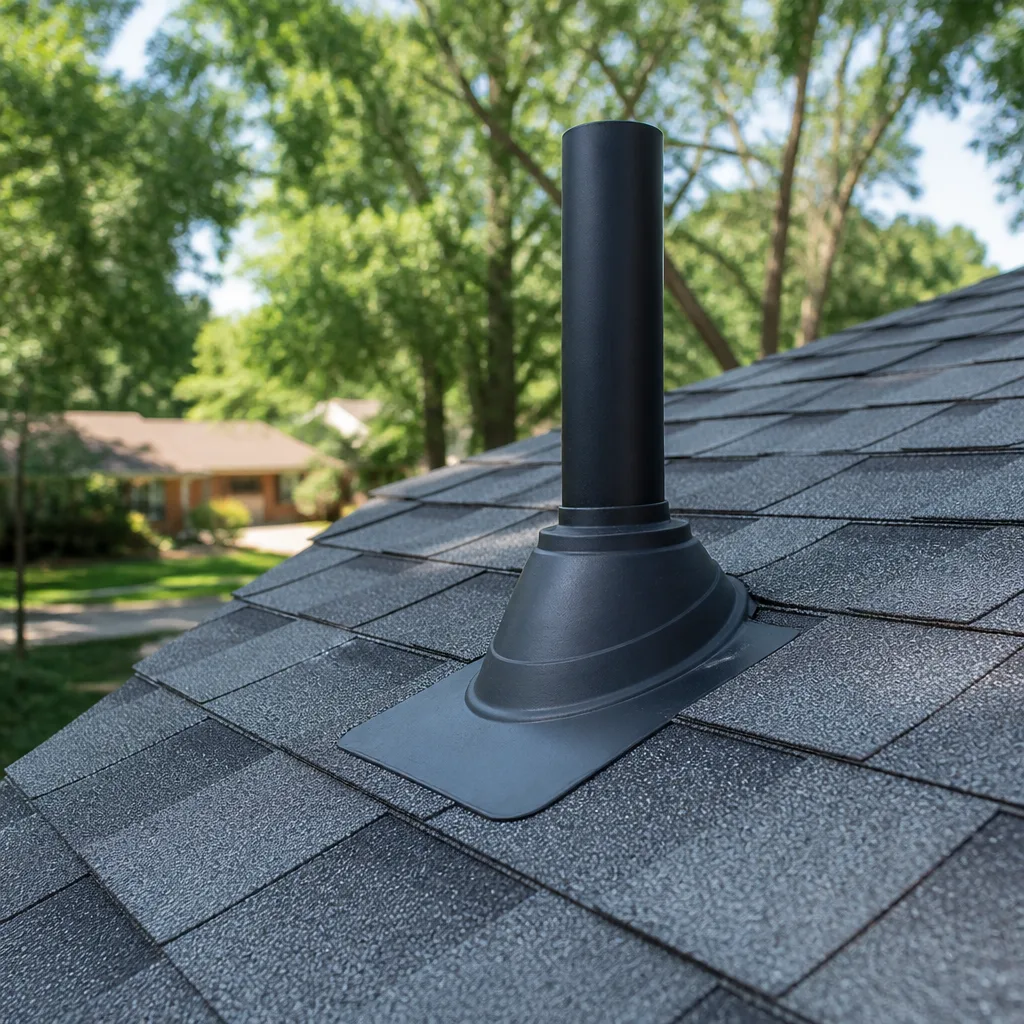
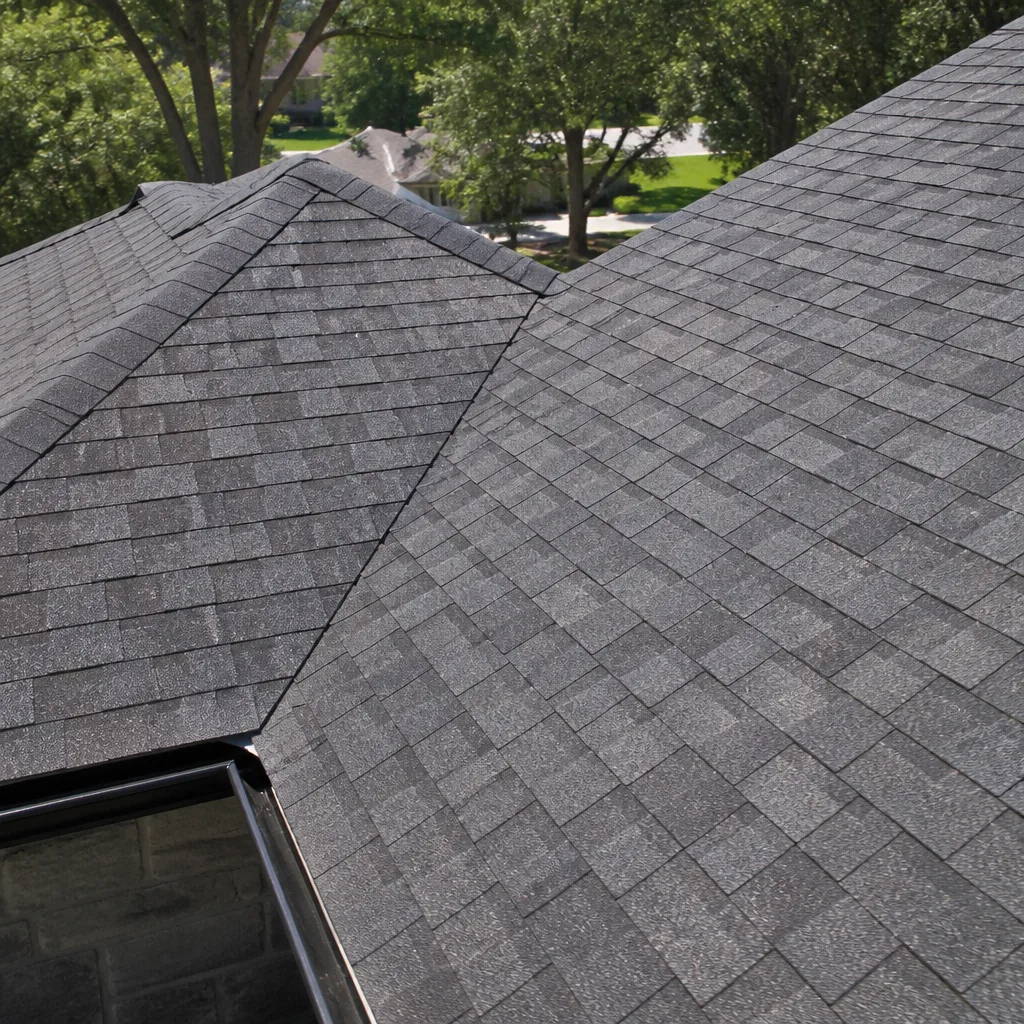
- Architectural shingles
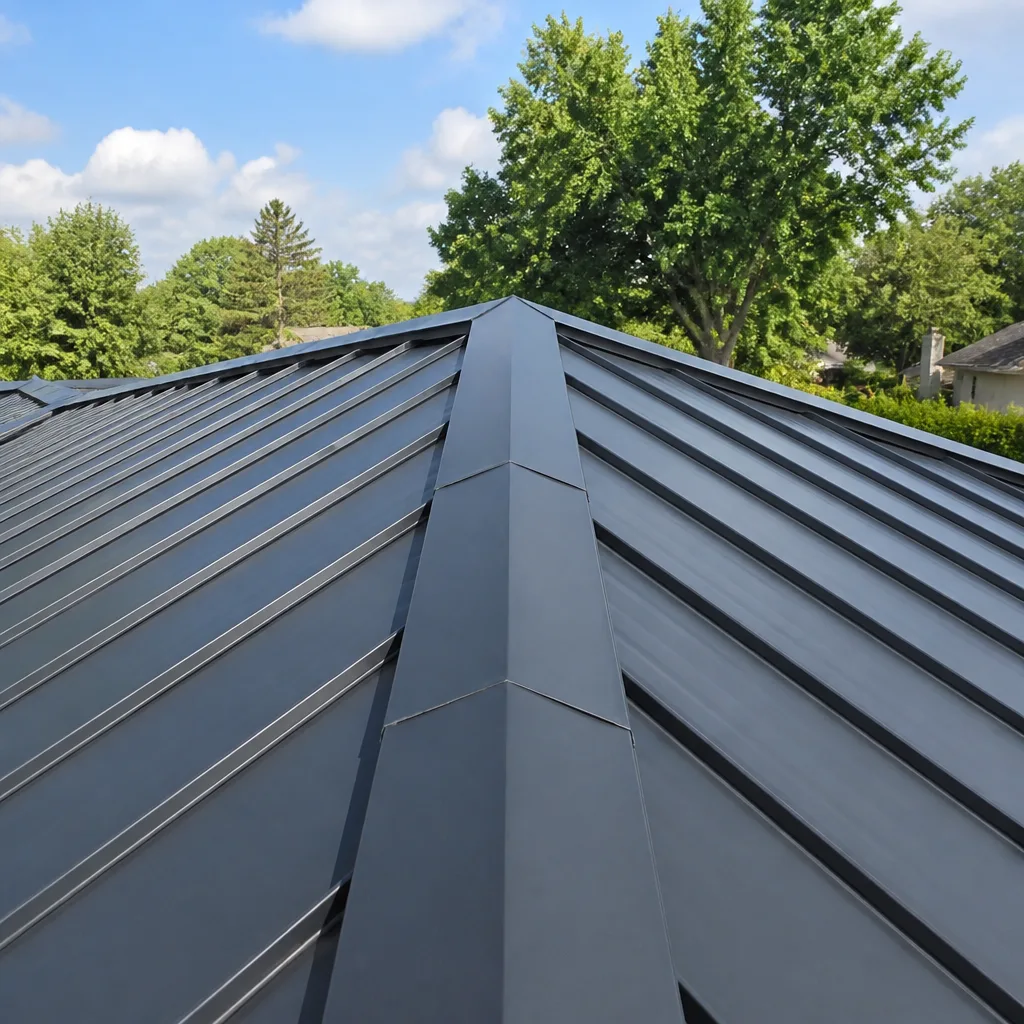
- Metal roofing
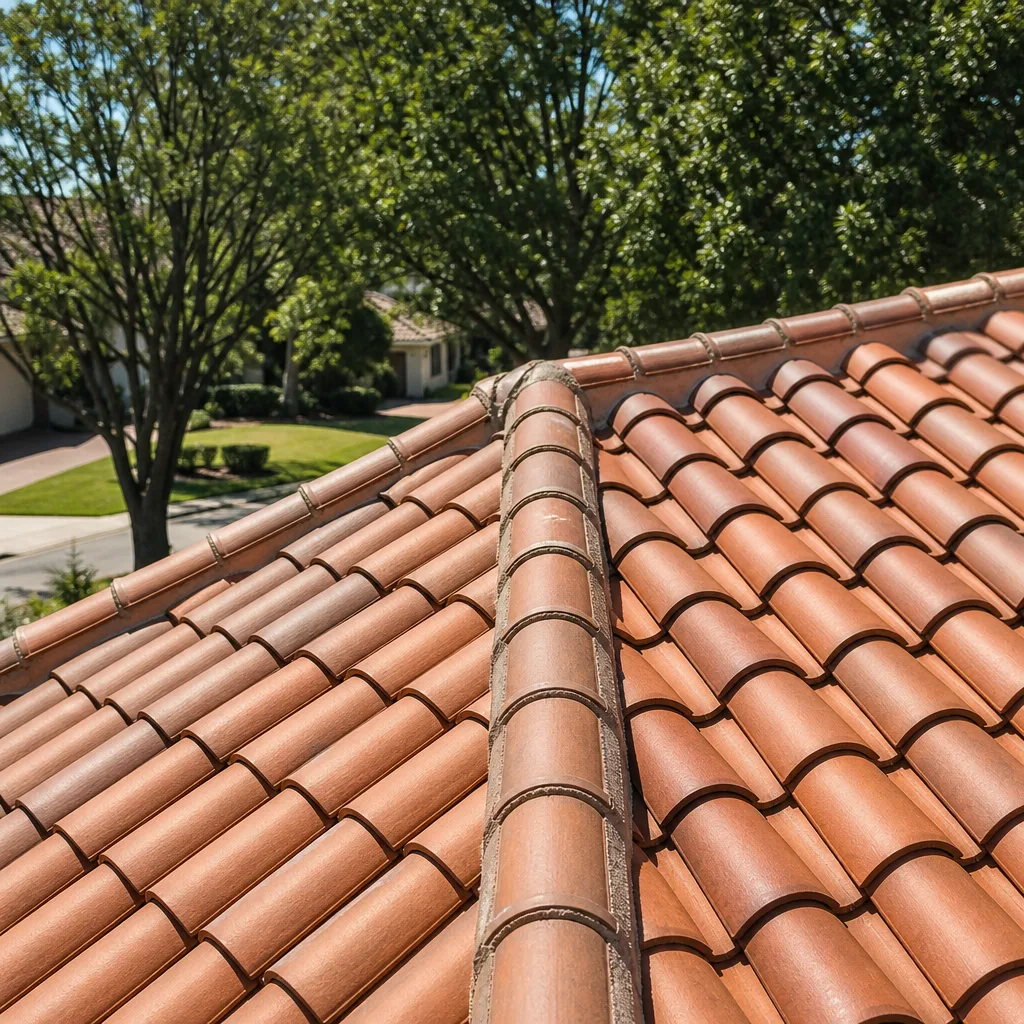
- Tile roofing
- GAF
- Owens Corning
- Flat & low-slope
Quick Answer
Most full asphalt shingle roof replacements in Kent in 2026 land in the $11,000-$22,000 range for an average single-family home, with metal and tile systems running significantly higher. The final number depends on four things: the material system you choose, the condition of the decking underneath, the warranty tier you select, and roof complexity (pitch, dormers, valleys, penetrations). A written line-item estimate that names the shingle line, the underlayment, the decking allowance, and the warranty tier is the only quote you can actually compare.
Table of Contents
- What Does Roofing Cost Per Square in Kent?
- Per-Square Cost by Material System
- How to Read a Roofing Line-Item Quote
- The Cost Impact of Decking Condition
- How Warranty Tiers Affect Upfront Cost and Long-Term Value
- Which Cost Variables Are Negotiable and Which Are Fixed
- Why Kent’s Climate and Housing Shape Your Roofing Costs
- Common Mistakes to Avoid
- When to Call a Professional
- Frequently Asked Questions
- The Bottom Line
What Does Roofing Cost Per Square in Kent?
Roofers quote in “squares,” and one square equals 100 square feet of roof surface. A typical Kent single-family home runs somewhere between 18 and 30 squares of actual roof area once you account for pitch and overhangs, which is why the totals can look so much larger than the floor plan. The per-square number is what you compare between bids.
Per-square pricing in Kent in 2026 breaks into three cost buckets:
- Materials – shingles, underlayment, flashing, ridge vent, drip edge, fasteners. This is the most comparable piece between bids, and the piece most often changed to hit a target price.
- Labor – tear-off, decking inspection and repair, installation. Kent labor rates in 2026 run higher than rural Washington because of the cost of doing business in the Puget Sound corridor, and they are not the line item you want to shave.
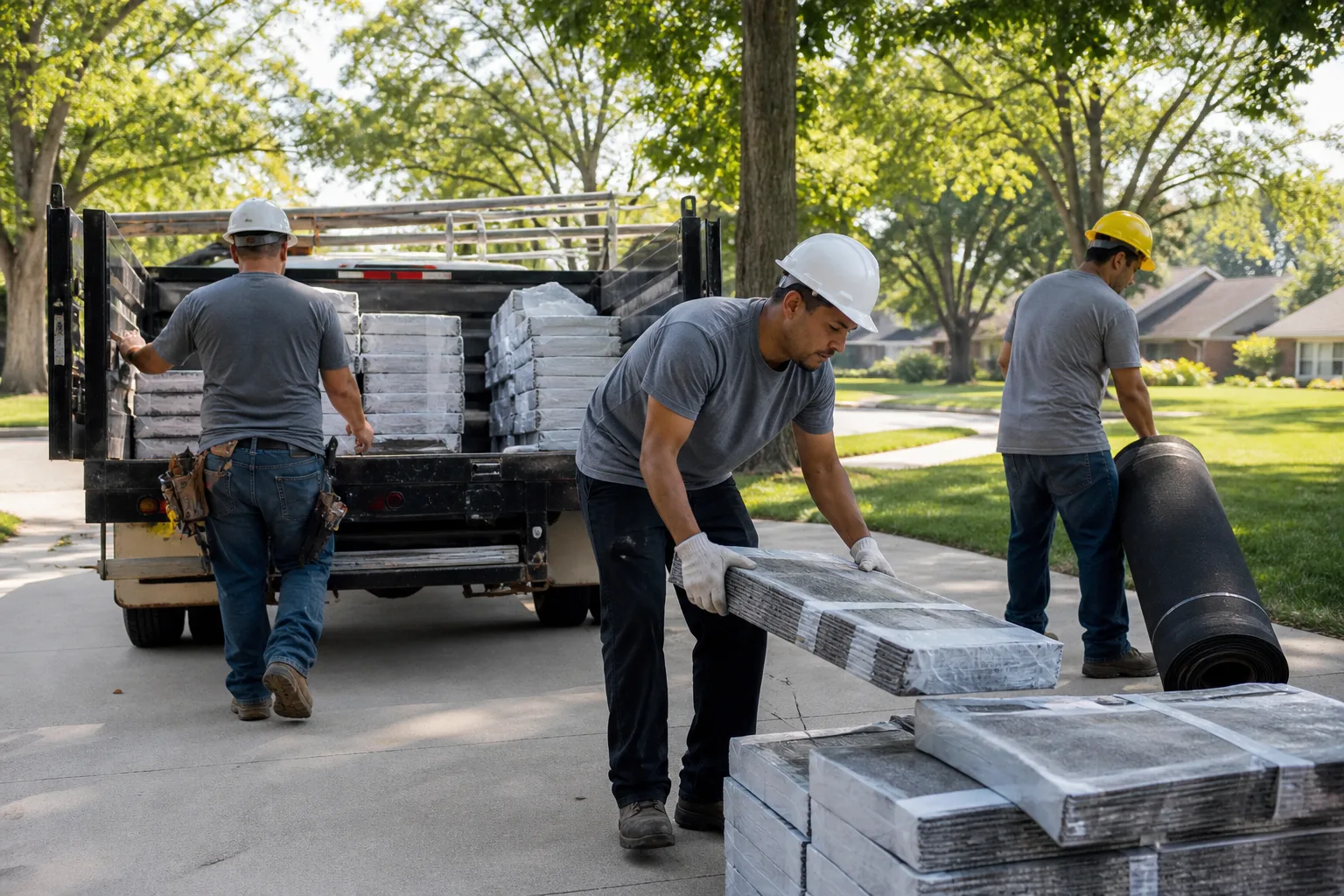
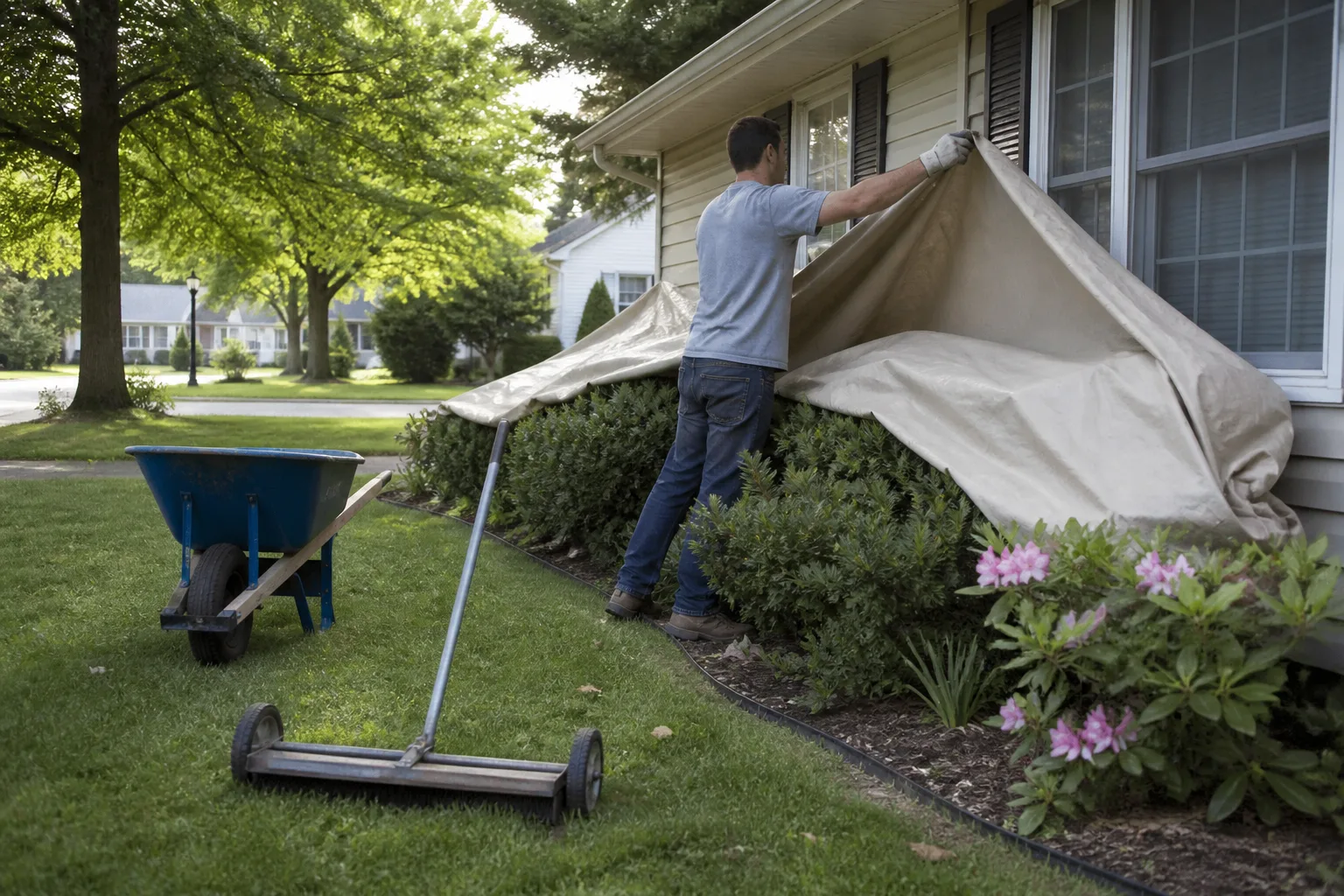
- Overhead and disposal – dumpster, permits, jobsite protection, manufacturer documentation. Small line items that add up quickly on a real bid and disappear on a cheap one.
What makes Kent complicated is housing stock. The East Hill, the West Hill, Panther Lake, and the valley floor around downtown all sit in different wind and moisture environments, and the mix of 1960s-era construction, 1990s subdivisions, and newer builds near Kent Station each present different decking and ventilation realities. A per-square number that doesn’t reference those conditions is not a real price for your house. It’s a placeholder.
Per-square rates are also where the 40-60% spread shows up most clearly. The same square footage priced with an entry-level architectural shingle, standard felt underlayment, and a 25-year product warranty will land very differently than the same footprint priced with a premium architectural line, a synthetic underlayment, and a 50-year system warranty. Both are legitimate quotes. They are not the same roof.
Per-Square Cost by Material System
There are three primary residential roofing material categories: asphalt shingle, tile, and metal. Within asphalt shingle alone, there are meaningful tiers. The table below shows what each system typically runs installed in Kent in 2026. These are estimated ranges for comparison purposes and the written estimate from a licensed installer sets the final price.
| System | Typical Installed Range Per Square | Expected Service Life |
|---|---|---|
| 3-tab asphalt shingle | $450-$650 | 20-25 years |
| Entry architectural shingle | $650-$900 | 25-30 years |
| Premium architectural shingle | $900-$1,300 | 30-40 years |
| Designer / luxury shingle | $1,300-$2,000 | 40+ years |
| Concrete tile | $1,600-$2,800 | 40-50+ years |
| Standing seam metal | $1,800-$3,200 | 40-70 years |
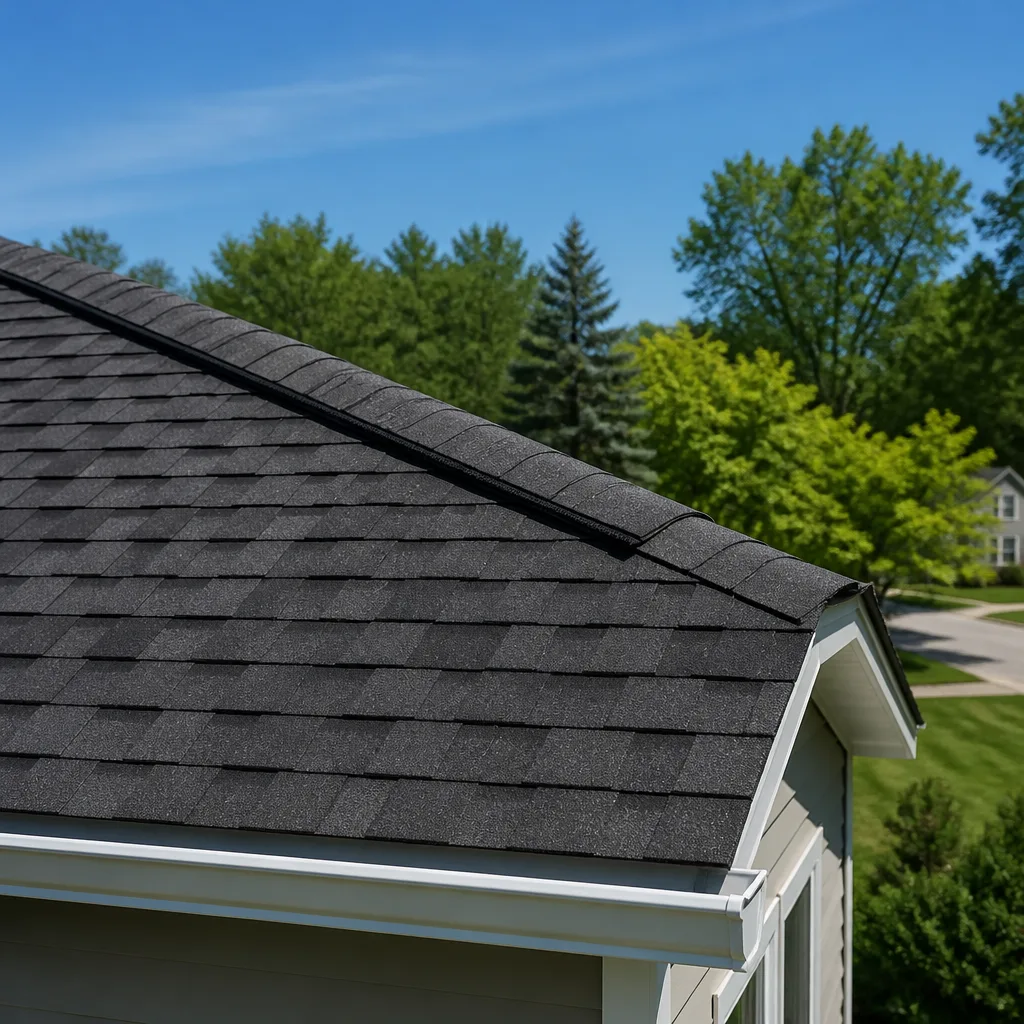
Architectural Shingle in Kent
Architectural is the workhorse system for Kent homes and what most homeowners end up choosing. It’s a laminated shingle with a heavier mat, better wind and impact performance than 3-tab, and a layered look that reads well on the split-levels and traditional two-stories that dominate East Hill and Panther Lake. shingle roofing is where the upfront-versus-lifetime math is easiest to get right, because the jump from entry architectural to premium architectural per square is usually smaller than the jump in warranty years.
Designer Shingle
Designer shingles are the tier that mimics cedar shake or slate through cut profiles and deeper shadow lines. They cost meaningfully more per square than premium architectural, but they’re the right answer when the home’s architecture calls for texture and the budget doesn’t stretch to a true stone or concrete tile. On the steeper-roofed Tudor and Craftsman styles scattered through Kent, they earn their price.
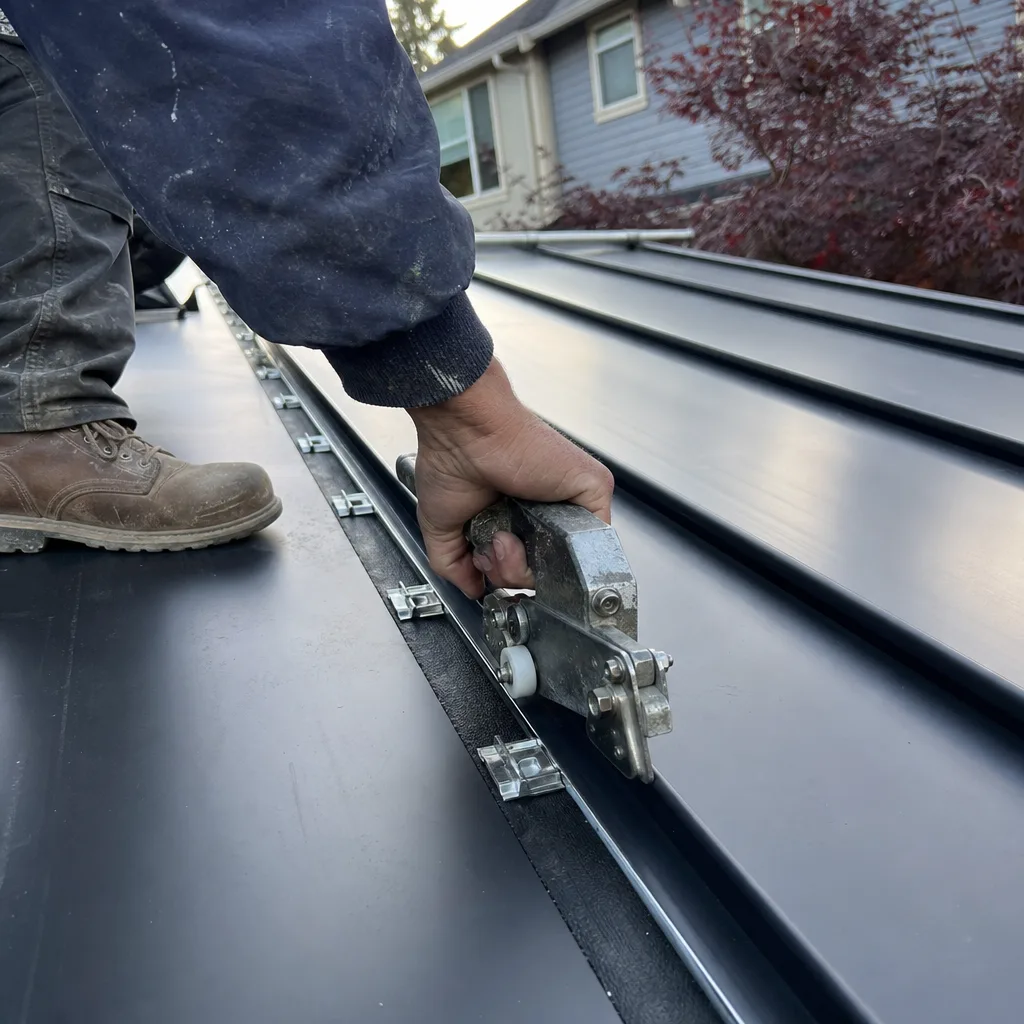
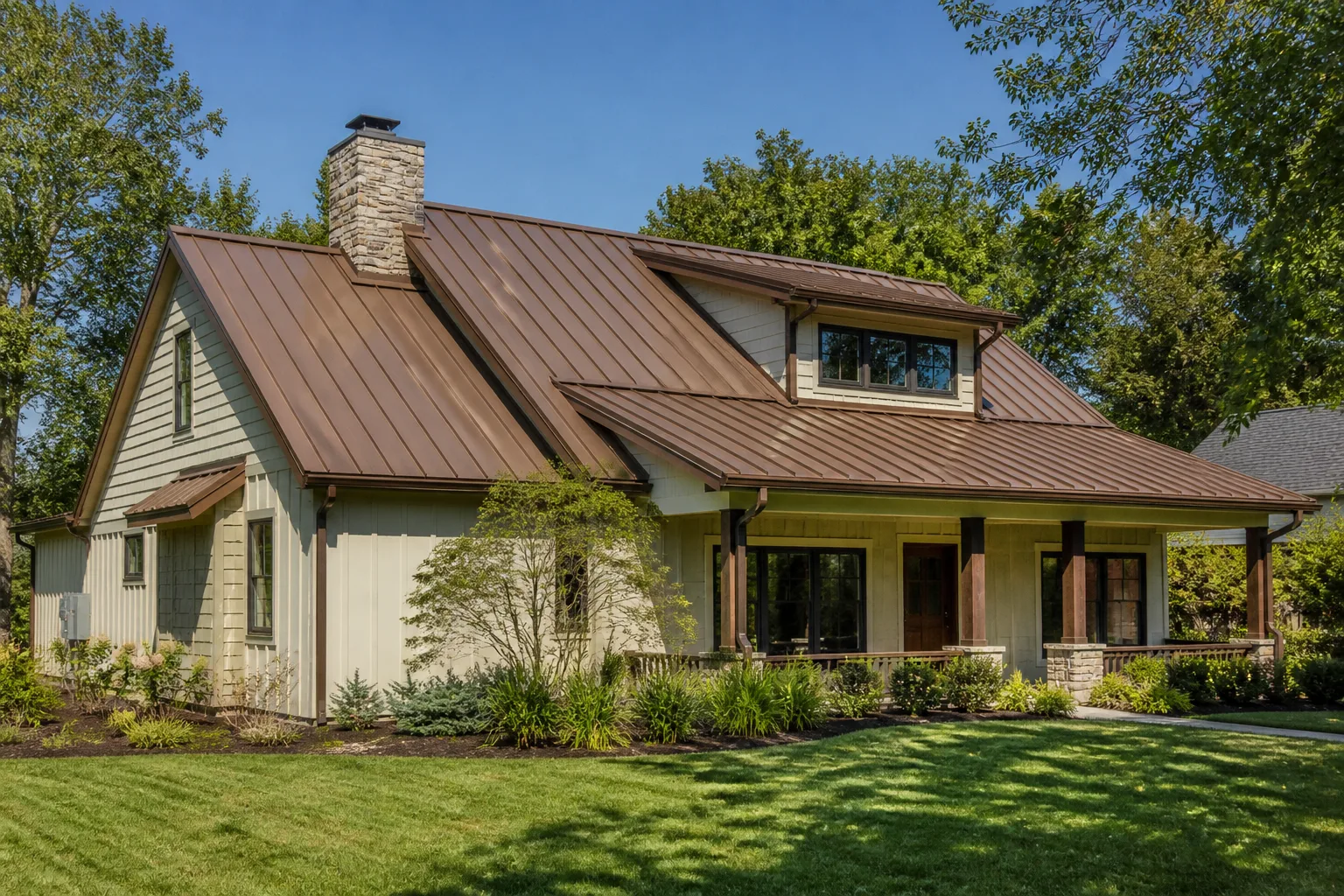
Metal Standing Seam
Standing seam metal is the highest upfront category and the longest service life. The hidden fastener profile performs well in the wind exposure that hits the hilltop neighborhoods above the valley, and the reflectivity helps on south-facing roof planes. It’s a 40-70 year roof. Not every Kent home justifies the spend, but the homes that do are usually staying in the family for decades.
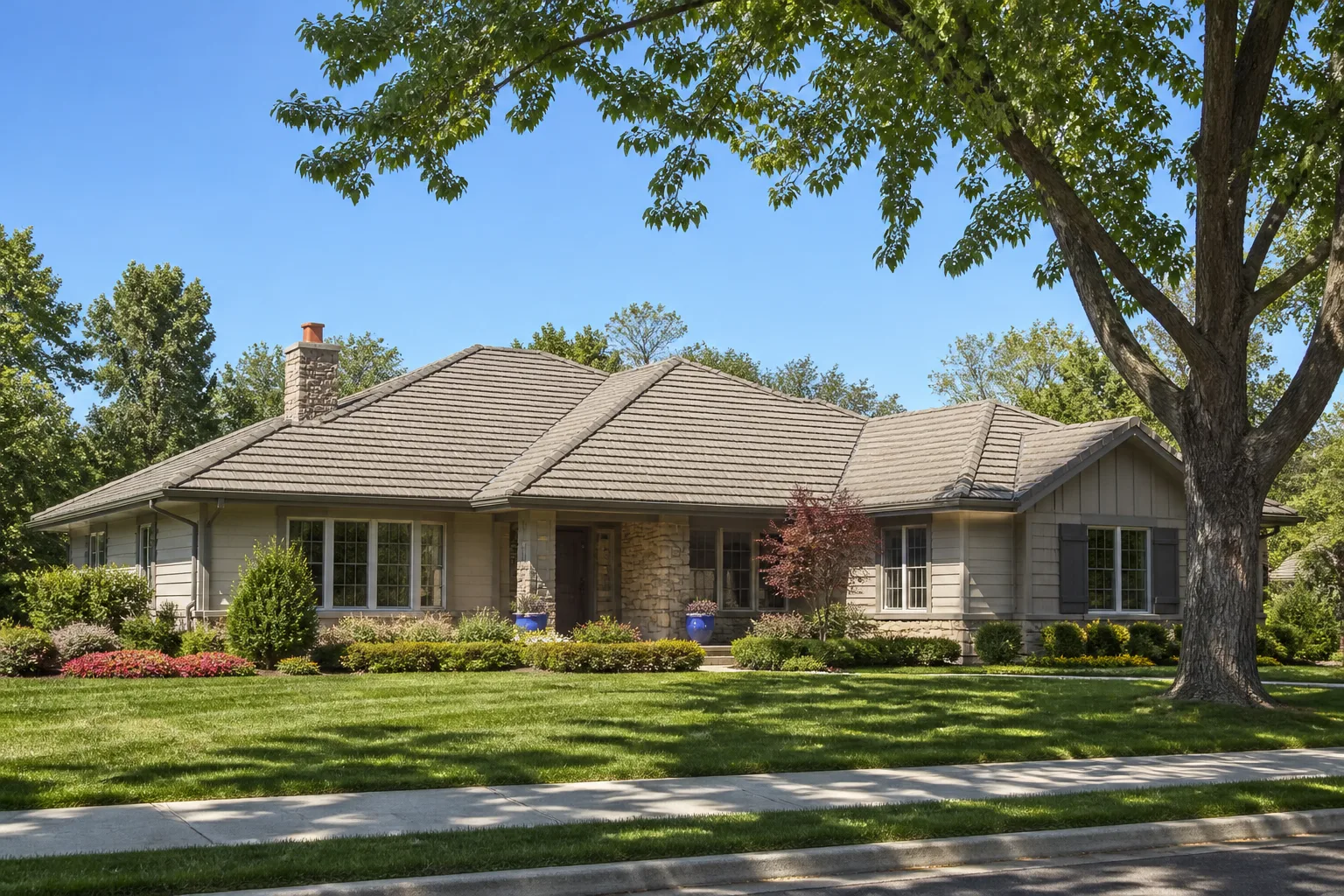
Concrete Tile
Concrete tile is heavy – the framing has to support it, and not every Kent roof is engineered for the load. Where the structure can take it and the architecture matches, tile is a 40-50 year roof with a look that shingle can’t replicate. Tearing off an existing tile roof also has its own disposal and decking-repair realities, which are priced into the system.
How to Read a Roofing Line-Item Quote
A summary quote with one lump number tells you nothing you can act on. A real roofing estimate breaks the job into specific line items and names the products in each. Here’s how to work through one, in order:
- Find the shingle line and read the actual product name. Not “architectural shingle” – the specific manufacturer line and color. This is where most of the spread lives. A CertainTeed Landmark and a CertainTeed Presidential are both architectural shingles and are not remotely the same product.
- Check the underlayment spec. Synthetic underlayment has largely replaced felt on quality installs. If the bid says “felt” or “roofing felt” without a specific product, that’s a cost choice the quote is making for you.
- Look for the decking allowance. A real quote states how many sheets of sheathing replacement are included and what the per-sheet price is if more is needed. A quote with no decking allowance is not a complete quote – it’s a bid that hopes nothing turns up.
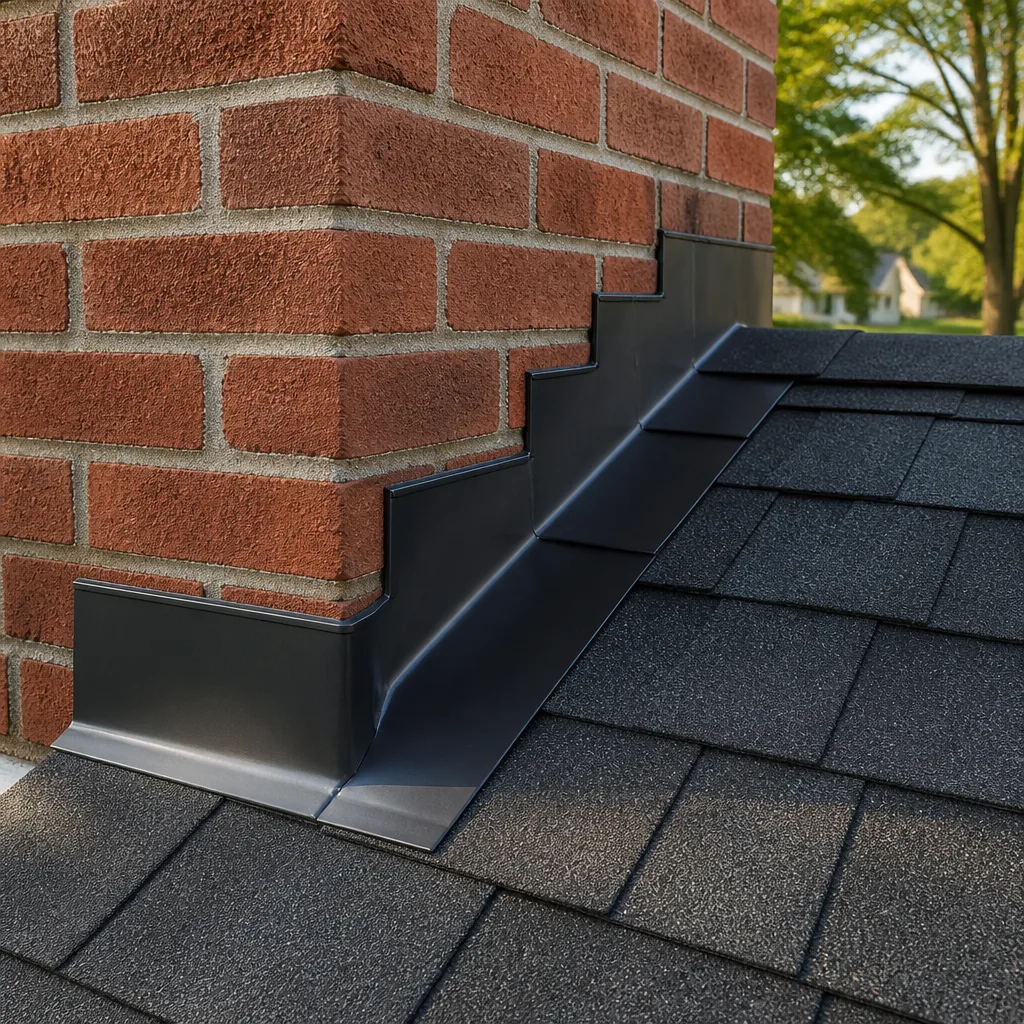
- Read the flashing line. Step flashing, counter flashing, chimney and skylight flashing should each be itemized. Flashing is one of the top causes of roof leaks and one of the easiest things to skip when trimming a bid.
- Confirm ventilation. Ridge vent and intake vent specs should be in the quote. An under-ventilated roof fails early, and the fix belongs in the original bid, not in a second job later.
- Identify the warranty tier. The product warranty and the workmanship warranty are different things. The product warranty comes from the manufacturer and depends on the exact product tier and whether supporting components are installed to spec.
- Note the permit line. A legitimate Kent re-roof includes the permit and the inspection. A bid without it is either cutting a corner or expecting you to pull it.
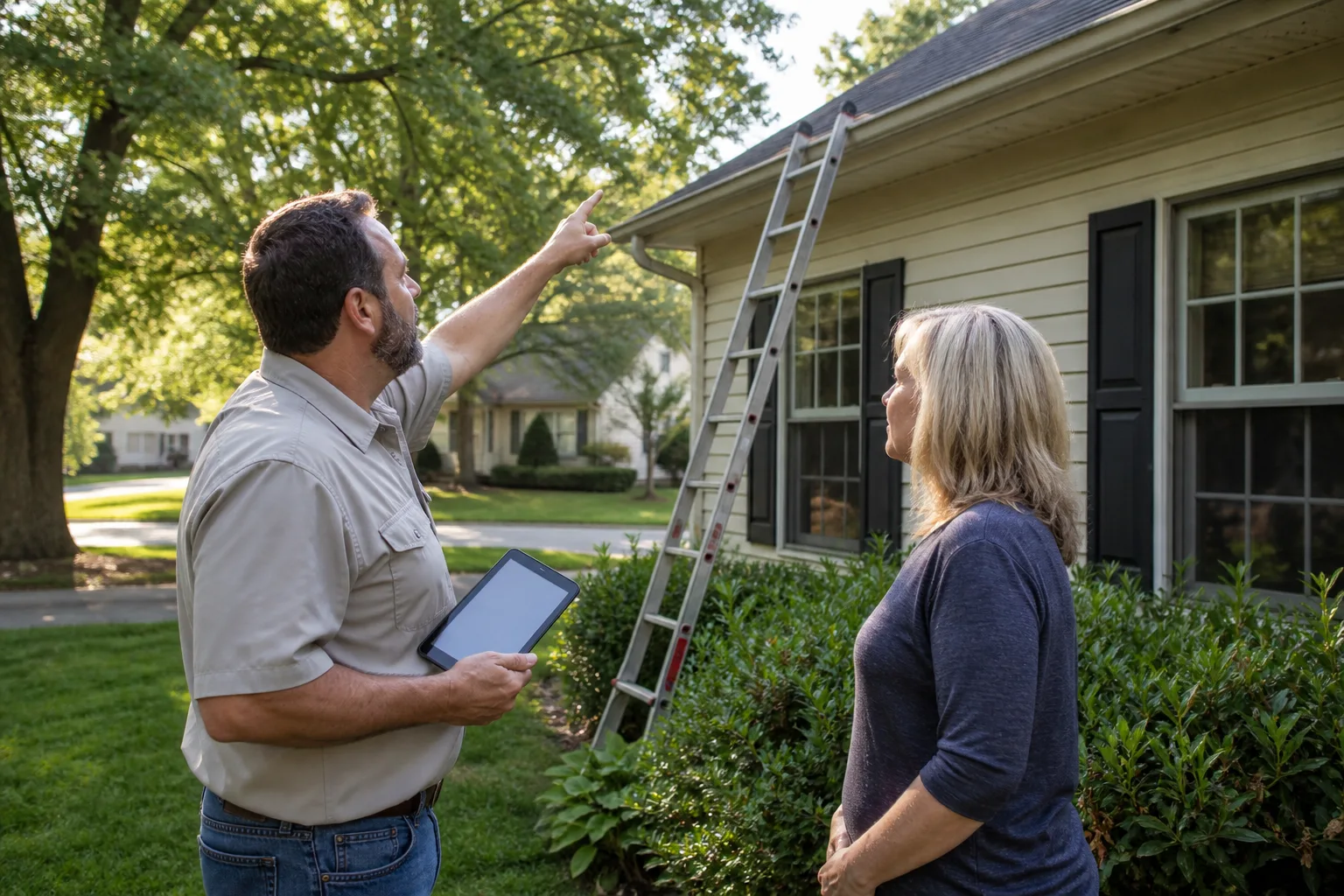
- Read the scope-of-work narrative. This is where the installer describes what a typical Kent tear-off involves, how the decking gets inspected once shingles are off, and what happens if repair is needed beyond the allowance.
If your quote doesn’t clear all eight of those, it isn’t a comparison piece yet. Compare line items between bids, not totals. A $4,000 difference usually traces to three or four specific lines, and once you can see which, the better value becomes obvious. If you want a written line-item quote you can actually stack against another bid, we’re happy to put one together – call (253) 270-0797 for a free estimate.
The Cost Impact of Decking Condition
Decking is the plywood or OSB sheathing under the shingles. You can’t see it from the ground and you can’t fully evaluate it until the shingles are off. On older Kent homes – particularly in neighborhoods where roofs have been re-covered over the original deck rather than torn off – it’s common to find soft spots, delamination, sagging, or fastener heads pushing through. That’s not a defect in the new roof. It’s the condition the new roof is being installed over.
What a good quote does is state up front how many sheets of replacement decking are included and what the price is per additional sheet. A typical Kent re-roof ends up replacing some portion of the decking, and the honest range is anywhere from none on a newer home to a full replacement on a roof that’s been patched repeatedly. The percentage varies too much by neighborhood and roof age to promise a number, so the right approach is an allowance and a stated per-sheet price.
What a bad quote does is assume zero decking replacement. That bid will look competitive until the shingles are off, at which point the price changes. If a quote has no decking allowance at all, add at least a few thousand dollars to the number before you compare it to a bid that does. In our experience, the decking line is the single most common reason a “cheaper” quote ends up the same or more expensive than the honest one. It’s also the line homeowners most often forget to ask about, because on paper it doesn’t exist.
How Warranty Tiers Affect Upfront Cost and Long-Term Value
Warranty tier is where “upfront cost” and “cost per year of roof life” diverge most sharply. A shingle advertised as 25-year and a shingle advertised as 50-year aren’t 25 years apart in construction – they’re one or two tiers apart in mat weight, sealing strip, and warranty terms. The math on which is the better buy comes from dividing the installed cost by the expected years of service, not from picking the biggest warranty number on the wrapper.
Two things to understand about how warranty works on a Kent install:
- Product warranty and workmanship warranty are separate. The manufacturer backs the product if it’s installed to their published specification. The installer backs the labor. A strong product warranty paired with thin workmanship coverage has a gap the homeowner absorbs.
- Warranty tier often requires matching components. Many extended product warranties only activate when the underlayment, ventilation, and flashing all come from the same manufacturer system. That’s why a cross-brand shop can usually hit a higher warranty tier than a single-brand shop on a bid that’s become a patchwork.
This is where working across multiple manufacturers matters more than it sounds. When the shingle comes from CertainTeed, the underlayment from Owens Corning, and the ventilation from IKO, the warranty coverage is whatever each manufacturer will honor on the components they made. When the whole system comes from one manufacturer’s qualifying lineup, the extended system warranty applies to the roof, not just the parts. Either can be a reasonable choice. Only one of them gets the best warranty math. Every option we quote from GAF, CertainTeed, Owens Corning, IKO, Atlas, Tamko, and Boral is negotiable on exactly this point.
Which Cost Variables Are Negotiable and Which Are Fixed
“Negotiable” in roofing doesn’t mean haggling at the kitchen table. It means the variable is a choice the homeowner actually has. Most of the biggest lines on your quote fall into one bucket or the other.
What you can genuinely adjust
- Shingle tier. Moving from premium architectural to entry architectural is a real savings on a real product, as long as you understand the service-life tradeoff.
- Designer versus standard profile. If your heart isn’t set on the cedar-look shingle, that line comes down by a meaningful margin per square.
- Warranty tier. You can typically pick a basic product warranty or a longer one without changing the roof itself.
- Ventilation upgrade scope. Ridge vent is standard, but the intake venting spec is sometimes flexible.
- Timing of non-urgent work. A roof at the end of its service life can be planned; a roof that’s actively leaking can’t. Planning gives you room to choose the tier that fits your budget.
What is fixed
- Permits and inspections. Kent requires them, the cost is what it is, and the work can’t legally be done without them.
- Decking repair once the shingles are off. If the sheathing is soft, it gets replaced. The alternative isn’t cheaper, it’s a failed roof.
- Flashing replacement. Reusing old flashing under a new roof is a false economy that shows up as a leak.
- Manufacturer installation specification. Nail placement, overlap, and vent ratios are set by the manufacturer, not by the installer’s preference, and stepping outside spec voids the warranty.
- Disposal and dumpster. The old roof has to go somewhere, and in Kent that means permitted disposal.
- Roof complexity. Pitch, dormers, valleys, and penetrations dictate labor hours, and those hours are what they are.
When a bid comes in dramatically lower than another, the reason is almost always that it shifted one of the second-bucket items into an assumption rather than a line. That assumption is what you pay for later. Ask specifically which of the fixed items each quote is including, and the two bids will finally be comparable.
Why Kent’s Climate and Housing Shape Your Roofing Costs
Kent sits in the Puget Sound lowland, which means a lot of wet months and a milder temperature band than most of the country. That climate matters to a roofing estimate in ways a homeowner can’t see from the ground:
- Moisture management is the primary job. Underlayment spec, flashing detail, and ventilation aren’t extras here – they’re the difference between a 30-year roof and a 15-year roof. A quote that underspecs any of them is buying the homeowner a shorter roof.
- Moss and algae growth on north-facing planes. Shingle lines with algae-resistant granules are worth the upcharge in Kent, because the alternative is a roof that looks its age long before it performs it.
- Wind exposure on hilltops. East Hill and West Hill properties take more wind than the valley floor, and that’s part of why wind rating matters when choosing shingle tier.
- Attic ventilation. Kent homes often have complicated attic geometries that make intake venting more important than the average market. It’s a line item worth actually reading.
Housing stock adds a second layer. Older Kent homes were built under different sheathing conventions and often had one or two previous re-covers over the original deck. Newer subdivisions near Kent Station and along the valley have cleaner decking but sometimes tighter attic designs that need attention to ventilation during a re-roof. Knowing which house you have is part of the price, and any roofing estimate that doesn’t ask about the roof’s history is a quote written before the walk-through.
Our technicians have up to 13 years of experience across all three primary systems in this climate, which matters mostly because it changes what they look for on the inspection. A Kent roof inspection is a moisture inspection first and a shingle inspection second. If you want a free estimate that’s actually built around your house rather than a template price, the place to start is a conversation. Call (253) 270-0797. We answer 24/7. Fast dispatch from 7am to 7pm, Sunday through Friday.
Common Mistakes to Avoid
- Comparing totals instead of line items. A lower total doesn’t mean a better price. Compare shingle tier, underlayment spec, decking allowance, and warranty tier line by line, and the real value difference becomes visible.
- Accepting a bid with no decking allowance. A quote that assumes perfect decking isn’t a complete bid, it’s a bid that expects to add cost later. On older Kent homes especially, this is where the “cheaper” quote comes back around.
- Choosing a shingle by its warranty number. A 50-year warranty on a shingle installed over weak underlayment won’t outlast a 30-year shingle installed over a proper system. Warranty tier matters, but only after system spec is right.
- Skipping the permit. Kent re-roofs need permits and inspections, and unpermitted work can complicate a future sale. If a bid doesn’t include the permit, ask why before you sign anything.
- Letting a single-brand quote lock you into one option. If the only shingle in the conversation is what the installer stocks, you’re not choosing a roof, you’re accepting a default. Ask what alternatives exist at the same tier.
- Ignoring ventilation. In a wet climate like Kent’s, an under-ventilated attic feeds moss, moisture, and premature shingle aging. Confirm ridge and intake venting are in the quote, not in a later upsell.
- Treating the roofing bid as a paper transaction. A roof replacement is a 20-50 year decision. The line-item review that takes an hour before signing is worth more than any single line item on the sheet.
When to Call a Professional
Not every roofing question needs a full replacement, but a growing set of conditions mean it’s time for an evaluation. Call a professional if: your roof is past its manufacturer-rated service life, you’re seeing granules washing into gutters or collecting at downspout outlets, shingles are curling, cracking, or missing after a wind event, you notice daylight or moisture in the attic sheathing, or you’re seeing soft spots or sagging along rooflines. Skylights and chimneys that have leaked before are worth checking even when they’re dry now – old flashing rarely gets better. Any roof nearing or past 20 years old, or any roof an insurance adjuster has flagged, is worth a look.
Kent Roofing Co offers free estimates in Kent – call (253) 270-0797. We answer 24/7. Fast dispatch from 7am to 7pm, Sunday through Friday, and you’ll get a written line-item estimate you can compare against any other bid. If you want to understand the full scope of what a replacement involves before you price it, start with our page on roof replacement, and if you’re building rather than replacing, our overview of new roof installation walks through how the decision tree differs.
Frequently Asked Questions
Most Kent roof replacements in 2026 fall in the $11,000-$22,000 range for an average single-family home using asphalt shingle, with metal and tile running higher. The number depends on the material tier, decking condition, roof complexity, and warranty choice. Per-square installed ranges start around $450-$650 for 3-tab and go past $3,000 per square for standing seam metal. Call (253) 270-0797 for a line-item estimate on your specific roof – estimates are free.
The gap almost always traces to three or four specific line items: shingle tier, underlayment spec, decking allowance, and warranty level. A quote that uses entry architectural shingle with felt underlayment and no decking allowance will look dramatically cheaper than a premium architectural shingle bid with synthetic underlayment and a stated decking allowance. The second is the more complete bid. Compare line items before comparing totals.
A complete roofing quote in Kent should include the permit and the inspection. If your quote doesn’t list the permit line, ask before you sign. It’s worth calling (253) 270-0797 for a written quote that itemizes permits, disposal, and inspections so you’re comparing apples to apples.
Most single-family asphalt shingle roof replacements in Kent take two to four days of on-site work once materials are delivered, depending on roof size, complexity, and weather windows. Tile and metal systems usually run longer. The written estimate includes the expected on-site schedule for your specific roof. Call (253) 270-0797 to schedule your free estimate and get the timing nailed down for your house.
For homes where the homeowner is staying long-term, metal can be worth it: 40-70 years of service life versus 25-40 for premium architectural shingle, plus better wind performance on hilltop properties. For homes being sold within a decade, the cost-per-year math usually favors premium architectural shingle. Call (253) 270-0797 and we’ll walk through both numbers for your house – estimates are free.
On a complete quote, the only legitimate change is decking repair beyond the stated allowance, and a well-written bid prices that per-sheet before work begins. A quote with a real decking allowance and a real per-sheet price is a fixed-price quote with a stated exception. A quote with no allowance at all is a quote that will move. Call (253) 270-0797 for a written estimate with the decking line included up front.
The Bottom Line
Roofing cost in Kent in 2026 is driven by material system, decking condition, roof complexity, and warranty tier. The 40-60% spread between quotes is real scope difference, not markup. If you take one thing from this guide, make it this: compare line items, not totals. Ask each contractor what shingle they’re specifying, what underlayment, what decking allowance, what permit, and what warranty tier. The quote that answers all five in writing is the only one you can actually price. The roof is a 20-50 year decision, and the written estimate is where that decision gets made.
We work with manufacturers like CertainTeed, Owens Corning, IKO, and Atlas so that your shingle tier, warranty level, and system spec are genuinely your choice rather than a default. If you want a written quote to compare against what you already have, call (253) 270-0797. We answer 24/7. Fast dispatch from 7am to 7pm, Sunday through Friday. And if you’d like to know more about how Kent Roofing Co approaches roofing-only work, that’s the place to start.
Written by the team at Kent Roofing Co.
See the difference
 Before
 After
 Before
 After
 Before
 After