Last updated November 25, 2026
Free roof inspection with deck photos before we talk money - GAF and Owens Corning certified installation
Roofing Permits, Codes & Inspections in Kent, WA: What You Need to Know
Here’s a fact that surprises most homeowners: a straight re-roof on a single-family home in Kent often needs no permit at all. But change the decking, cut in a skylight, or touch the roofline structure, and you’ve crossed into permit territory. Plenty of Kent homeowners don’t discover the distinction until years later, when a home inspector or an insurance adjuster asks for documentation that doesn’t exist. This guide walks through what triggers a permit in Kent, how the city’s adopted code differs from baseline Washington State rules, what inspectors actually examine during a permitted re-roof, and how unpermitted work affects the two moments it hurts most: a sale and a claim.
Quick Answer
In Kent, a straight tear-off and re-cover with the same roofing material on a single-family home generally does not require a building permit, but any structural change, new decking, added skylight, or switch between material types (shingle to metal, for example) does. Kent enforces the Washington State Building Code with its own local amendments, and permitted roofing work follows a defined inspection sequence. Unpermitted roofing work can surface during a home sale disclosure or an insurance claim, where it becomes a coverage and liability problem rather than a paperwork one.
Styles & brands we work with
- Architectural shingles
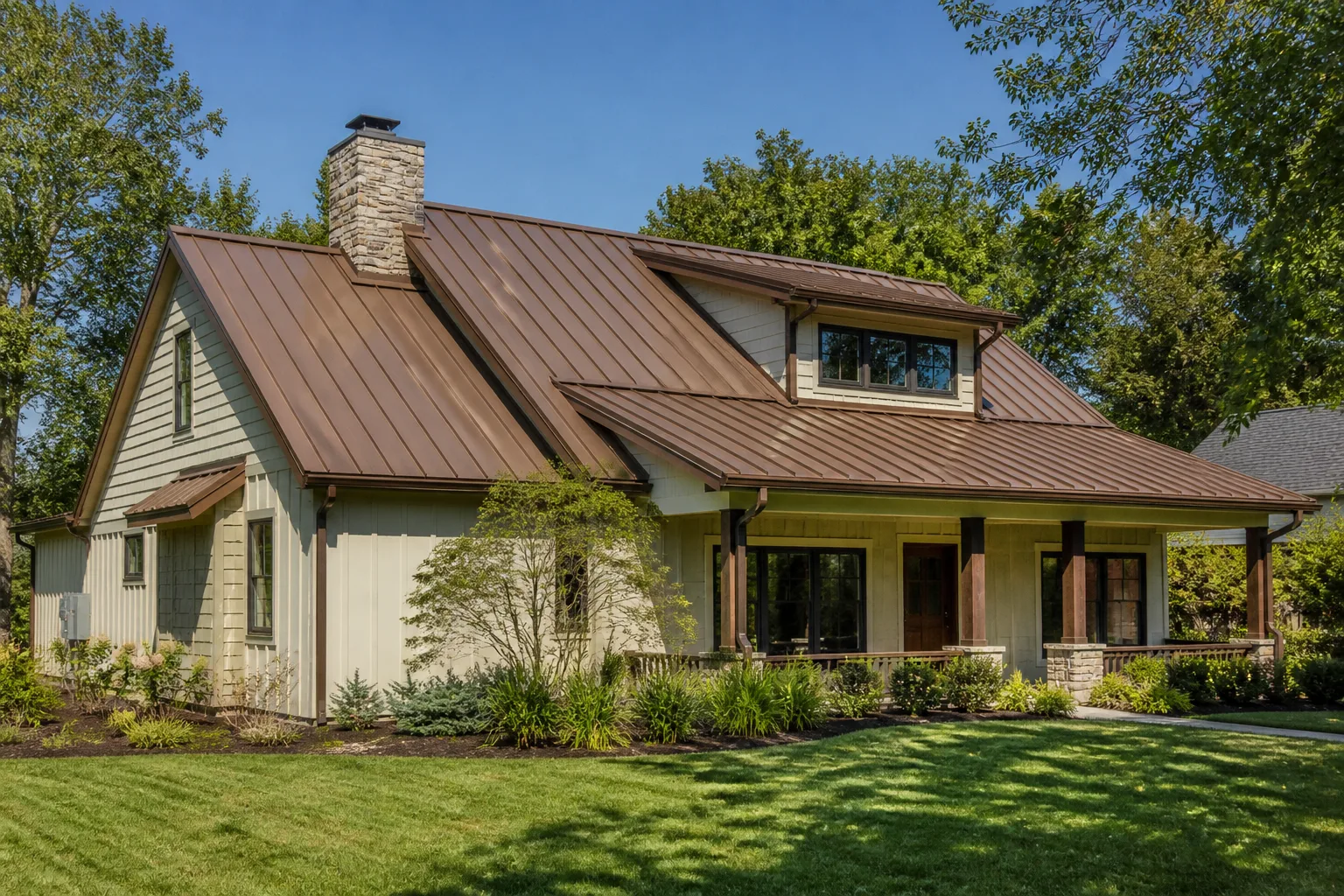
- Metal roofing
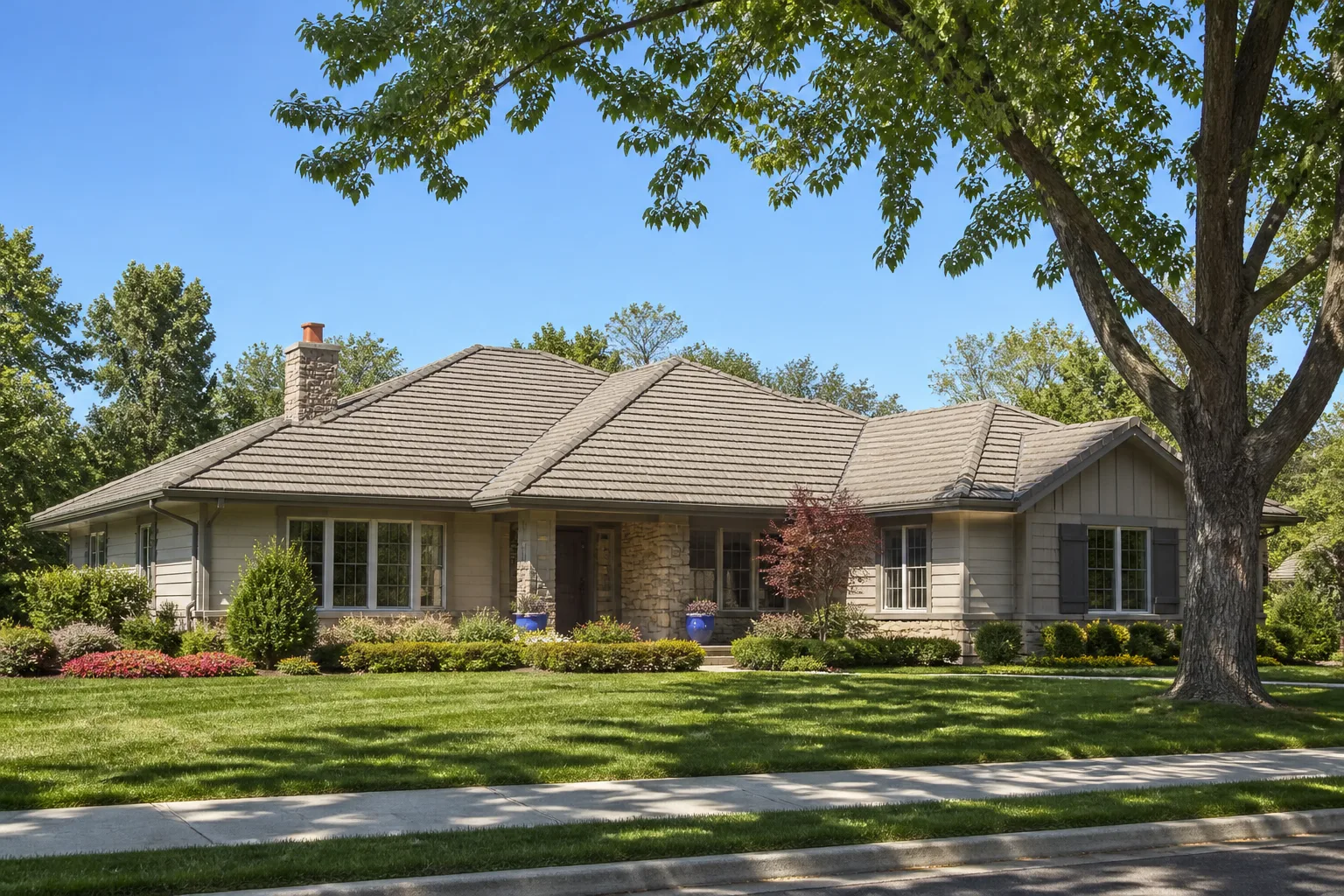
- Tile roofing
- GAF
- Owens Corning
- Flat & low-slope
Table of Contents
- What Triggers a Roofing Permit in Kent?
- How Kent’s Adopted Code Differs From Baseline Washington Code
- The Inspection Sequence for a Permitted Re-Roof in Kent
- What Unpermitted Roofing Work Costs You at Sale and Claim Time
- Contractor Permit vs. Owner-Builder Permit: What’s the Difference?
- Material Change and Permit Scope: Shingle, Tile, Metal
- Kent’s Climate and Why It Affects Code Compliance
- Choosing a Roofer Who Handles Permits and Inspections Correctly
What Triggers a Roofing Permit in Kent?
A roofing permit in Kent is required when the work goes beyond simple replacement of the same material in the same footprint. The clearest way to think about it is structural versus cosmetic. If you’re replacing worn shingles with new shingles on the existing deck, no structural change has occurred. If you’re altering what the roof is or how it attaches, you’re in permit territory.
Permit triggers in Kent
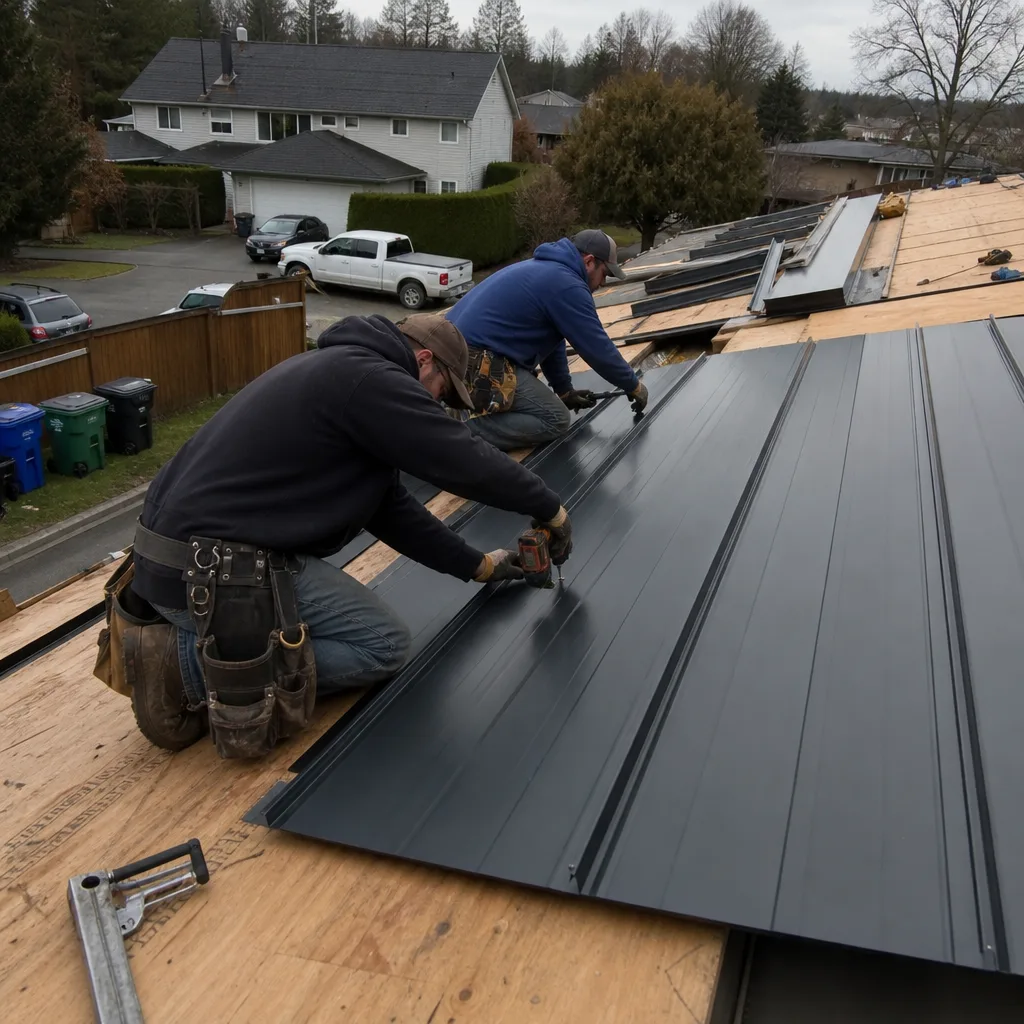
- Material type change. Switching from asphalt shingle to metal, or from metal to tile, usually requires a permit because the load profile and fastening system change. This is one of the most commonly missed triggers.
- New or replaced decking. Replacing rotted sheathing below the roofing may need a permit depending on the extent of the structural repair.
- Skylight addition or removal. Cutting into a roof plane for a skylight is a structural modification and requires a permit.
- Roofline alterations. Adding a dormer, changing pitch, or extending a roof plane triggers a permit.
- Roof-mounted equipment. New HVAC curbs, solar arrays, or chimney penetrations often need separate permits and a roofing inspection.
Confirm the current thresholds with the City of Kent’s permit center before scheduling work, because requirements are periodically revised and a phone call costs nothing. When we scope a roof replacement, we always ask first whether the footprint and material are changing, because that question determines the entire permit path.
How Kent’s Adopted Code Differs From Baseline Washington Code
Kent adopts the Washington State Building Code with local amendments, which means the baseline IRC roofing provisions apply, plus Kent-specific requirements layered on top. In practice, most roofers who work regularly in Kent know the amendments that affect residential roofing: fastener schedules, ice barrier requirements, and ventilation standards.
Where the Kent amendments most often show up
- Underlayment and ice barrier. Washington requires an ice barrier at the eaves on heated buildings in most circumstances, and Kent’s adopted code references the state requirement. The underlayment specified in the code is what an inspector will check during the underlayment inspection.
- Fastener schedules. Nailing patterns for shingle installation are specified by both code and manufacturer. If the two conflict, the stricter standard governs.
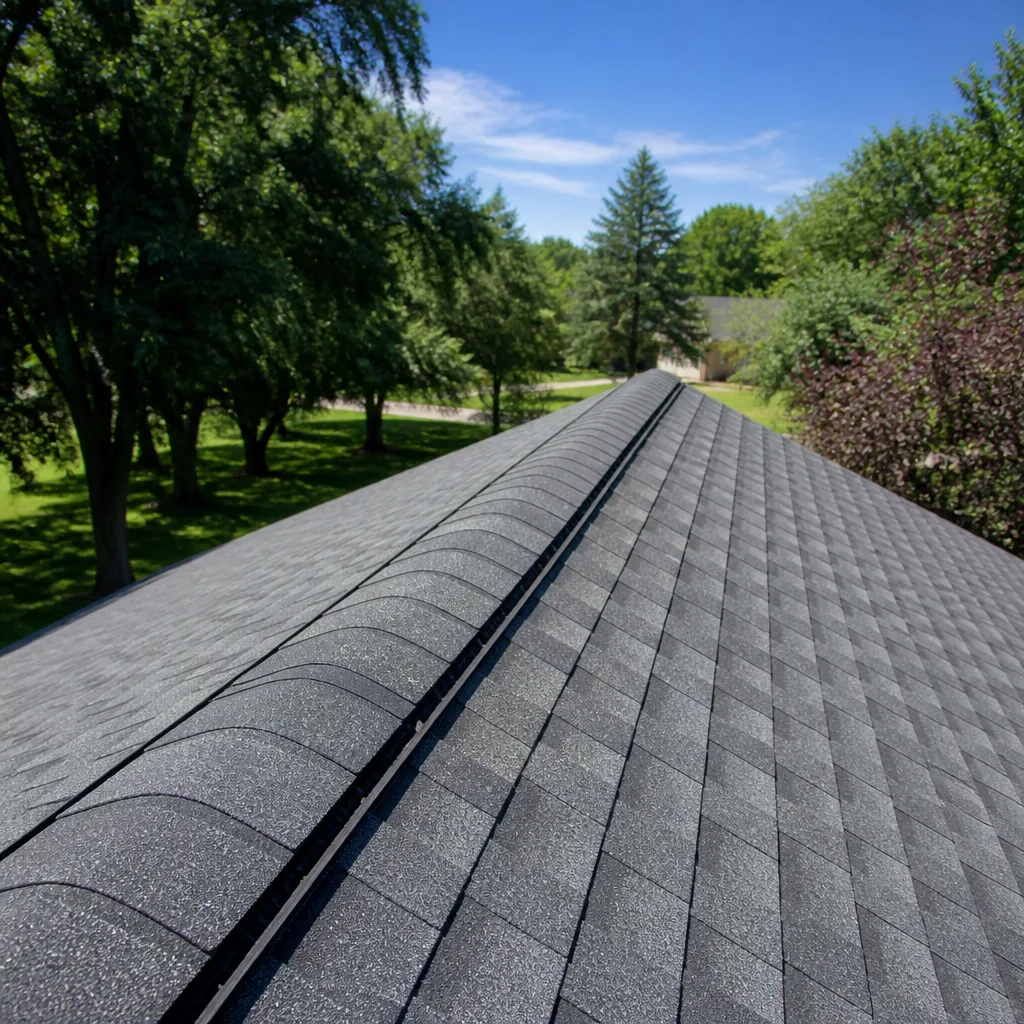
- Ventilation. Attic ventilation ratios in the code are minimums, not targets. Meeting the code minimum doesn’t mean the roof will perform well in Kent’s wet climate.
- Fire rating. Roofing assemblies installed in certain areas must meet a Class A fire rating, which most modern asphalt shingles and metal systems do.
One practical point: Kent’s code amendments are the baseline, but manufacturer installation instructions are treated as code for warranty purposes. A roof installed to code but off the manufacturer’s spec can fail a warranty claim even when it passes inspection. That’s one reason we work with manufacturers like GAF and CertainTeed and follow their published installation instructions as closely as the adopted code.
The Inspection Sequence for a Permitted Re-Roof in Kent
A permitted re-roof in Kent follows a predictable inspection sequence. The number and timing of inspections depends on the scope, but most residential permits follow this pattern.
Step-by-step inspection sequence
- Pre-inspection or permit issuance. The city issues the permit after reviewing the application. In some cases a pre-inspection confirms the existing conditions match the application.
- Deck inspection. After tear-off and before new underlayment goes down, an inspector may verify the condition of the sheathing and framing. This is where rotted decking is documented and any structural repair is approved.
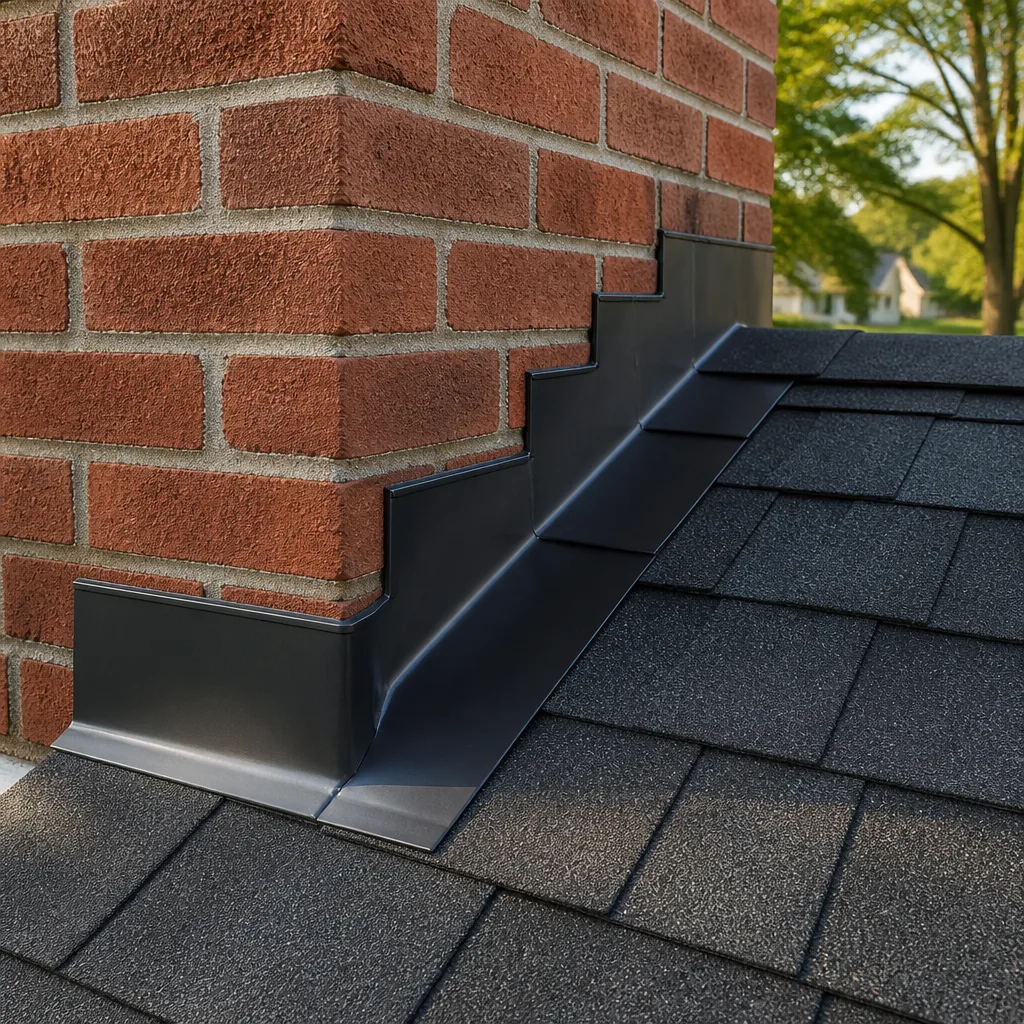
- Underlayment and flashing inspection. The underlayment and flashing are checked before the final roofing layer is installed. Flashing details at walls, valleys, and penetrations get the most scrutiny here.
- Final inspection. After the roof is complete, the final inspection confirms the installation matches the approved plans and manufacturer requirements. The permit is then closed.
Each inspection has to be scheduled and passed before the next stage proceeds, so a permitted re-roof adds a few days to the calendar versus an unpermitted one. That’s the price of a clean paper trail. Skipping an inspection because the roof “looks fine” is exactly what creates the problem years later.
What Unpermitted Roofing Work Costs You at Sale and Claim Time
Unpermitted roofing work in Kent doesn’t cost you anything at the moment it’s done. It costs you at the two moments when someone official looks at the roof: the home sale and the insurance claim.
At the home sale
Washington requires sellers to disclose known material defects, and unpermitted structural work is a disclosure item. A buyer’s inspector who spots a changed roof pitch, an added skylight without documentation, or decking repair without a permit is likely to flag it. The buyer then asks the seller to either produce permits, obtain a retroactive permit through the city, or credit the cost of remediation. Any of those outcomes costs the seller money and time, and none of them are cheap once the roof is finished.
At the insurance claim
Homeowners insurance carriers ask about the age and condition of the roof when a claim is filed. If the claim touches a portion of the roof that was installed without a permit or off-spec, the carrier may reduce or deny coverage for that portion. A storm claim on an unpermitted addition is the classic scenario. The roofer who installed it is long gone, and the paperwork that would have protected the owner doesn’t exist.
Performing work without a required permit is a violation of Kent Municipal Code and can carry penalties, but the practical cost at sale and claim time usually dwarfs any fine. The cheapest permit you’ll ever buy is the one you got at the start.
Contractor Permit vs. Owner-Builder Permit: What’s the Difference?
A homeowner can pull an owner-builder permit for roofing work on their own residence in Washington, which is legal for a primary residence you occupy and don’t intend to sell immediately. But the distinction matters for two reasons: liability and warranty.
When the contractor pulls the permit
- The licensed contractor is the permit holder and is responsible for scheduling and passing inspections.
- If an inspection fails, the contractor corrects it at their own cost.
- Manufacturer warranties are generally tied to installation by a qualified or authorized installer. A homeowner-pulled permit doesn’t automatically void the warranty, but it complicates the claim if installation is questioned.
When the homeowner pulls the permit
- The homeowner is the permit holder and is legally responsible for code compliance.
- If the installation fails inspection, the homeowner is the one on record as responsible, even if a contractor did the work.
- Owner-builder permits are intended for work you perform yourself, and using one to hire an unlicensed crew is where things go wrong.
Our advice is straightforward: if you’re hiring a roofer, let the roofer pull the permit. If you’re doing the work yourself under owner-builder, understand that the legal responsibility for code compliance is yours. Either way, the permit has to be pulled before work starts, not after.
Material Change and Permit Scope: Shingle, Tile, Metal
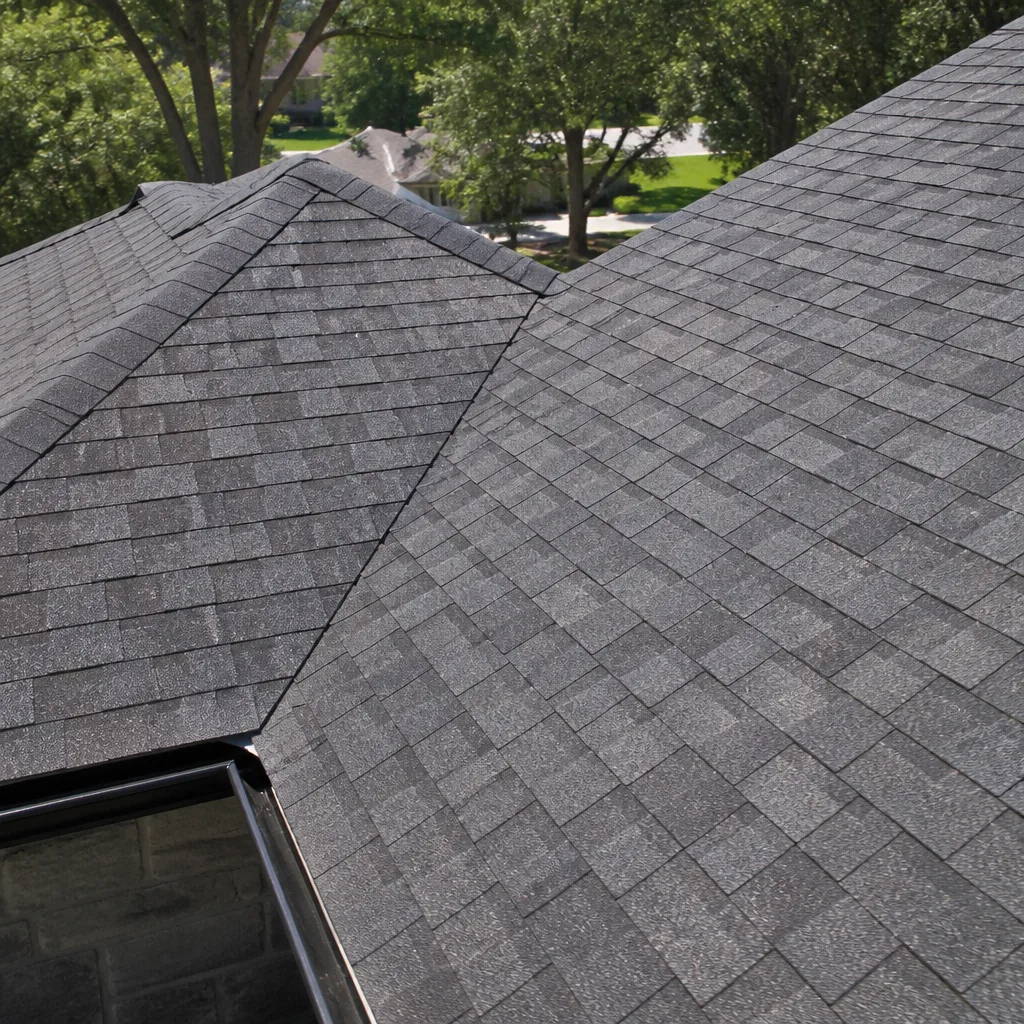
Material change is the single most common permit trigger we see in Kent, and it’s where homeowners most often get the answer wrong. Replacing asphalt shingle with asphalt shingle in the same footprint usually needs no permit. Replacing asphalt shingle with metal roofing or tile is a different job with a different permit path.
What changes with each material
- Shingle to metal. Metal roofing is installed over purlins or a substrate, has different fastener requirements, and changes the roof’s loading. Most jurisdictions require a permit.
- Shingle to tile. Tile is dramatically heavier than asphalt shingle. The framing has to be checked for the additional load, and that check is exactly what a permit triggers. This is the permit most often skipped and most often regretted.
- Metal to shingle. A lighter material on the same frame may seem like a downgrade that needs no permit, but the roof assembly change usually still requires one.
The right move on any material change is to ask the city first. We’ve installed shingle roofing across all three material categories, and the permit question comes up on nearly every job that isn’t a like-for-like replacement. Working with manufacturers like Boral, CertainTeed, and Owens Corning gives us access to the engineering data the city needs to review a material-change application, so the review goes faster than if the spec sheet were missing.
Kent’s Climate and Why It Affects Code Compliance
Kent sits in the Puget Sound lowlands, which means wet winters, moderate temperatures, and occasional stretches of freezing weather that push ice barrier and underlayment requirements into the code. The climate doesn’t change the permit rules, but it changes which portions of the code get the most attention during inspection.
What the Kent climate demands
- Ice barrier at the eaves. Washington requires ice barrier protection in many residential installations, and inspectors check for it. Freeze-thaw cycles at the eaves are the reason.
- Enhanced underlayment. The underlayment specified in Kent’s adopted code is designed for the wet season, not a dry climate.
- Ventilation performance. Kent’s humidity means attic ventilation that meets the code minimum may still allow condensation. A roof that passes inspection can still underperform if ventilation was sized to the code floor rather than the home’s actual conditions.
- Flashing details. The wet season finds every gap. Wall and valley flashing are inspected for good reason here.
None of this is a code workaround; it’s the reason the code looks the way it does in this part of the state. A new roof installation in Kent that meets the code and the manufacturer’s installation spec is a roof built for this climate, not for a generic national average.
Choosing a Roofer Who Handles Permits and Inspections Correctly
The roofer you hire determines whether your permit is pulled correctly, inspections are scheduled and passed, and the paperwork survives to the sale and the claim. The best measure of a roofer on this front is whether they mention the permit before you mention it.
Questions worth asking
- Will this specific job require a permit, and why or why not?
- Will you pull the permit, or will I need to?
- Who schedules the inspections, and who is on site for them?
- What documentation will I receive at the end of the job?
A roofer who works exclusively in roofing knows the answer to these questions before the estimate is written. A general contractor dividing attention between roofing, siding, and other trades often treats the permit as an afterthought. We only do roofing, and that focus means the permit sequence is part of our process from day one, not a lesson learned after a failed inspection. Our technicians have up to 13 years of experience, and the crew on a Kent re-roof knows the local inspection points by heart.
Common Mistakes to Avoid
- Skipping the permit on a material change. Switching from shingle to metal or tile is the most common unpermitted roof job in Kent. The framing load changes, and the missing permit shows up at sale.
- Assuming any re-roof needs a permit. The opposite error. A like-for-like shingle replacement usually doesn’t, and paying for a permit you don’t need delays the job for no reason.
- Letting the contractor hand you the owner-builder permit. If you hire a contractor, the contractor should pull the permit. If they ask you to pull it in your name, ask why.
- Leaving the deck inspection until after the underlayment is down. The deck condition has to be documented before the underlayment covers it. Get the inspector out at the right stage.
- Not keeping the inspection record. Paperwork doesn’t do its job at sale time if it’s lost. Keep the permit, the inspection results, and the final sign-off together.
- Choosing a roofer without asking the permit question. The answer tells you more about how the job will go than the price does.
- Treating the code minimum as the performance target. Kent’s wet climate punishes a ventilation or underlayment job done only to code. The performance standard is higher than the minimum.
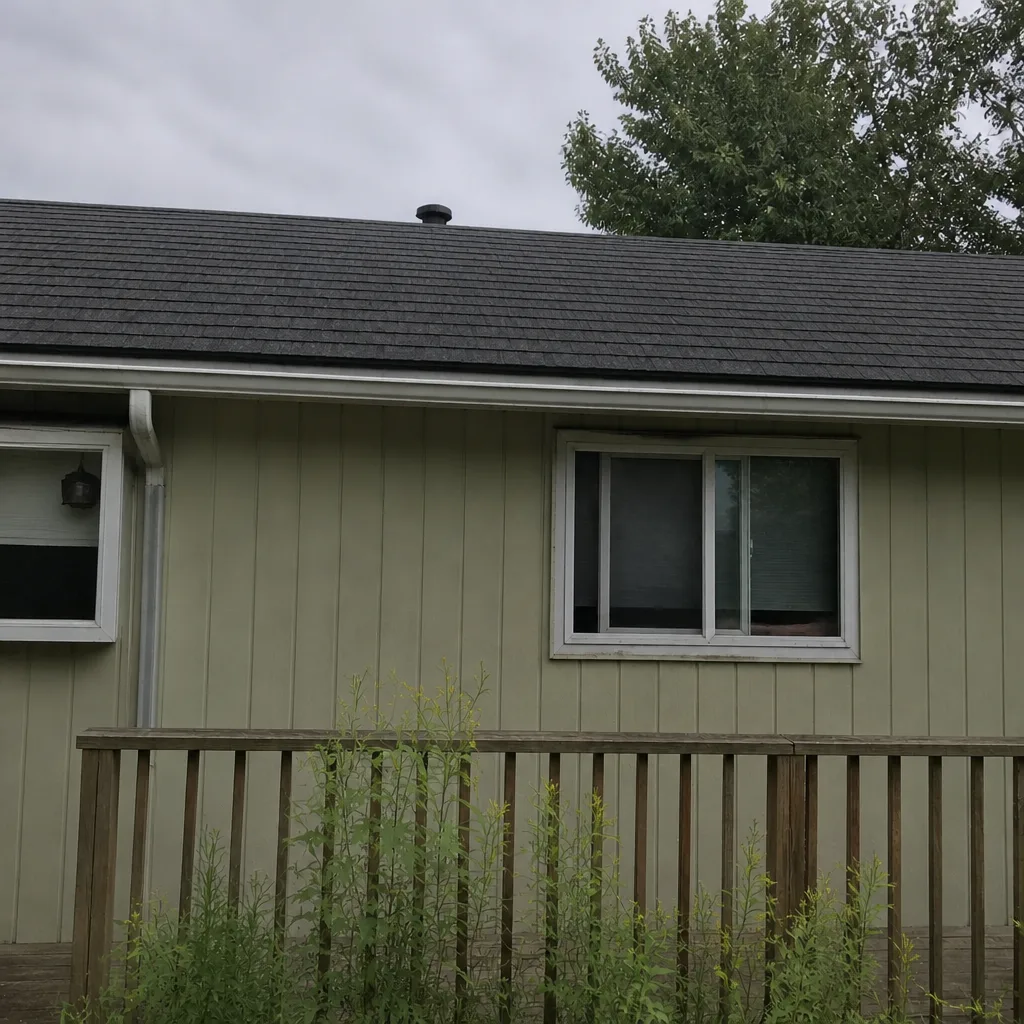
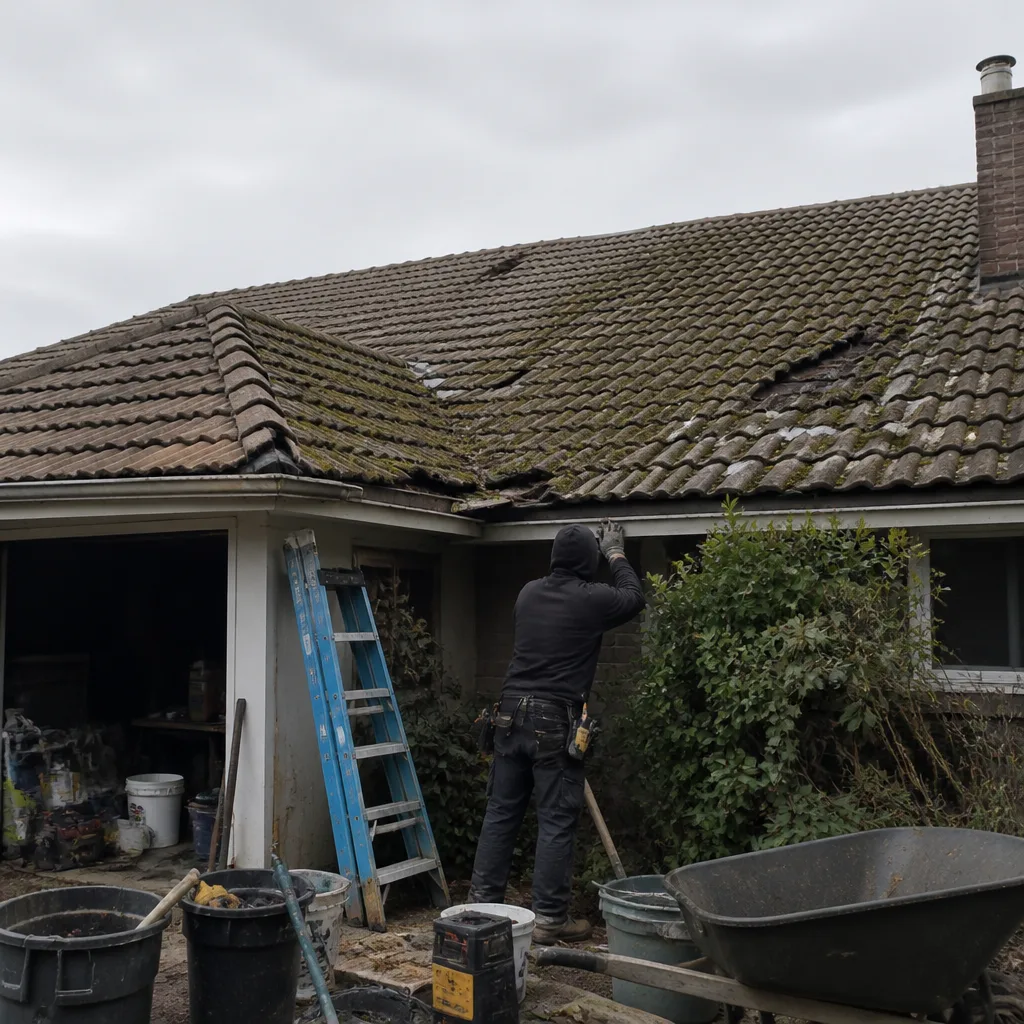
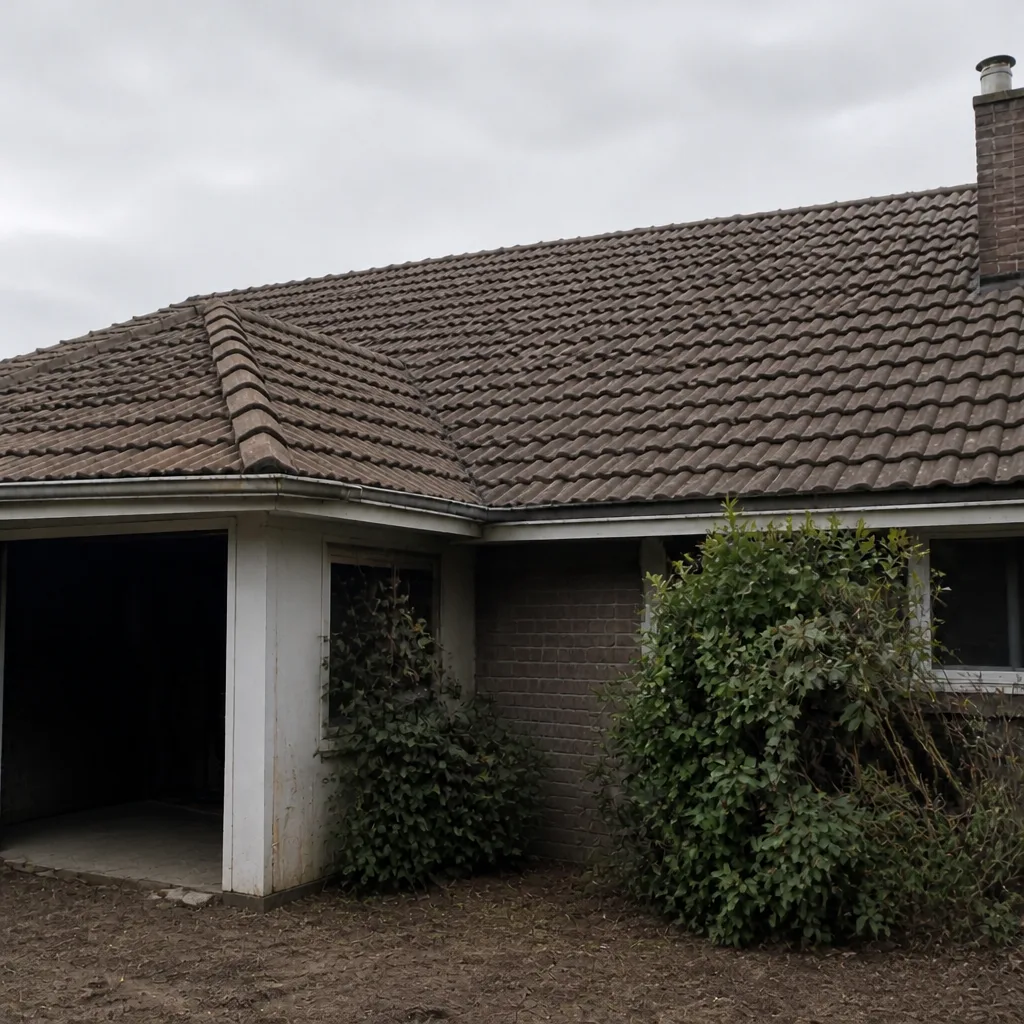
See the difference
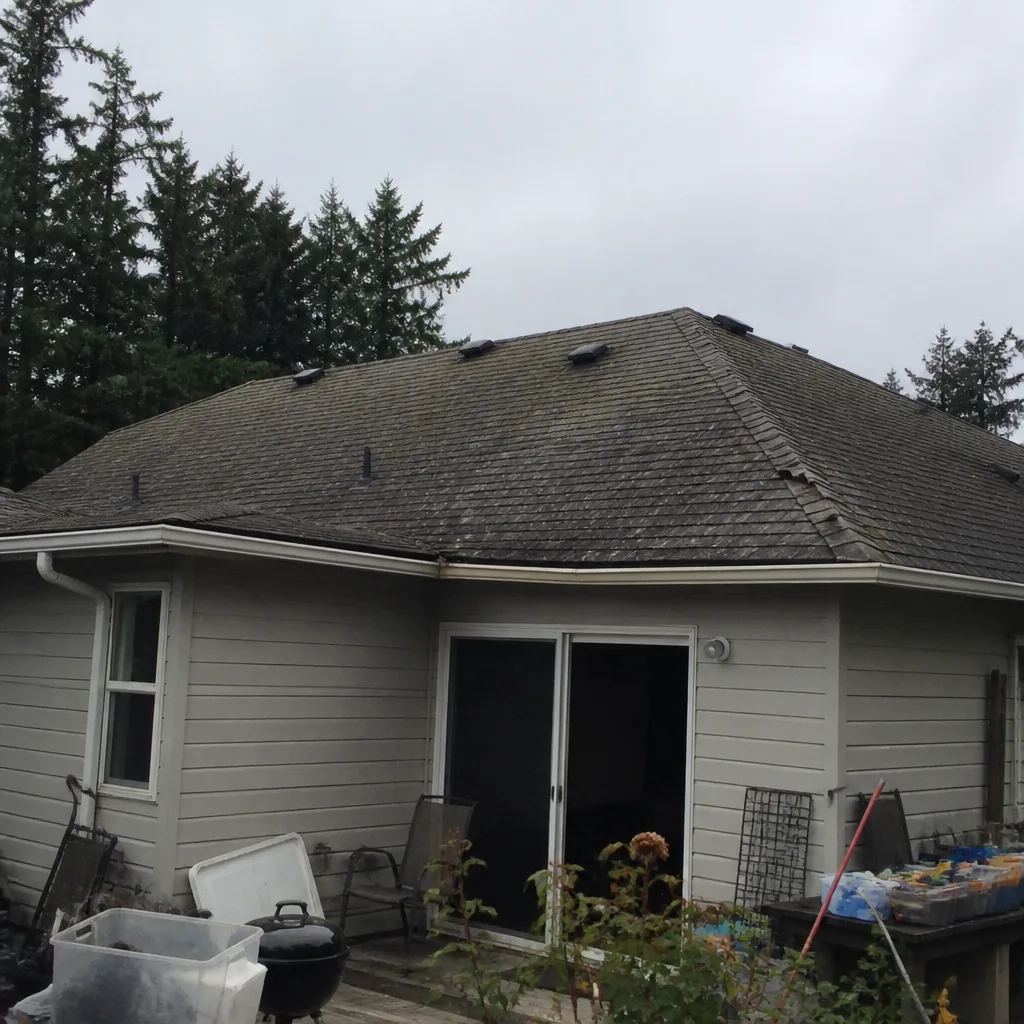 Before
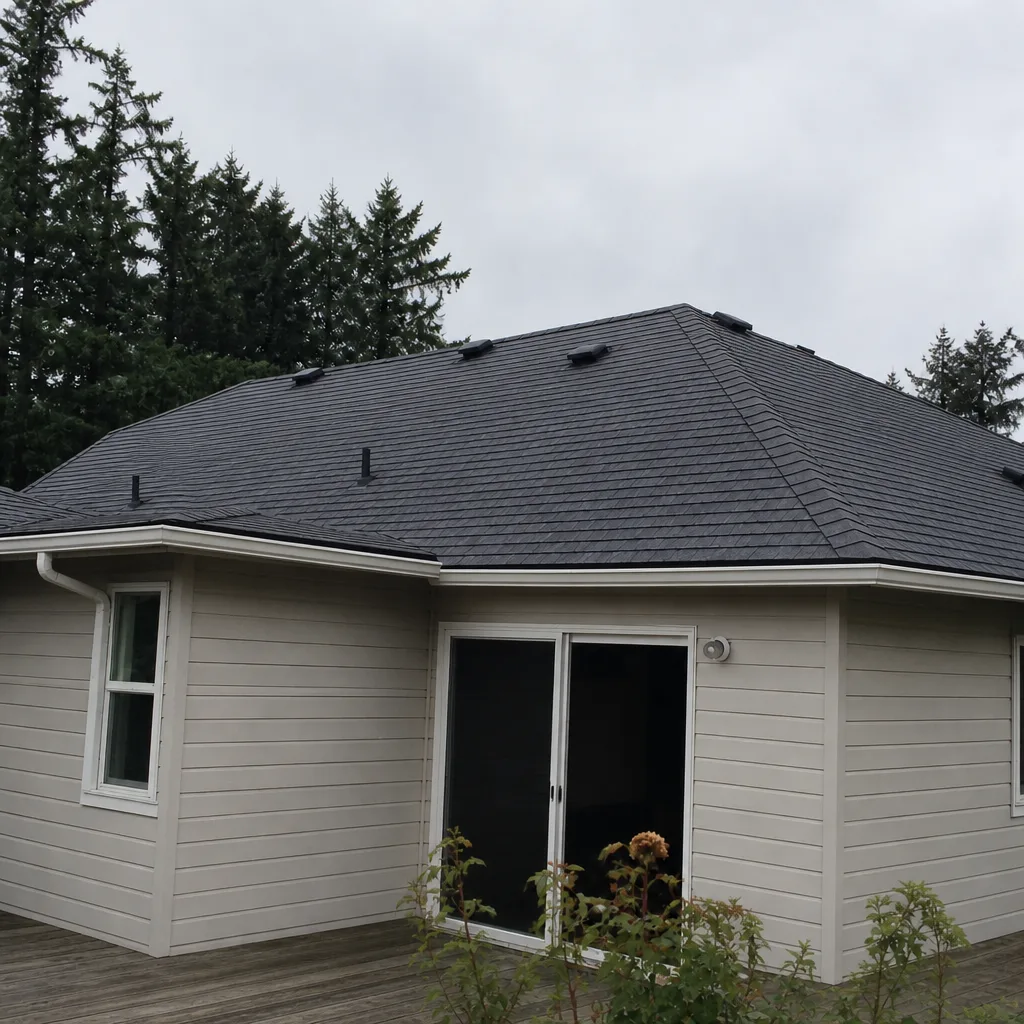 After
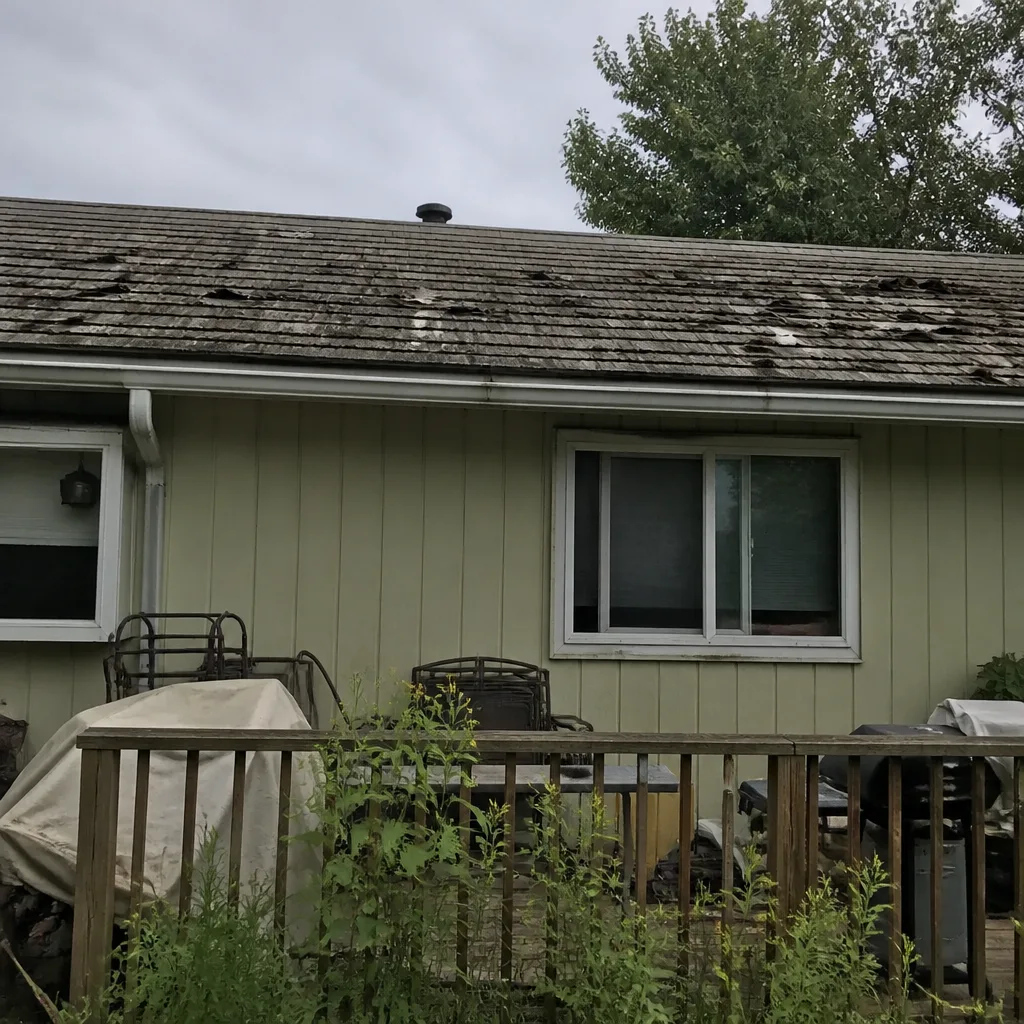 Before
 After
 Before
 After
When to Call a Professional
Call a professional roofer when the permit question is unclear and you don’t want to spend an afternoon on hold with the permit center. Call when a material change is on the table, when decking repair may be needed, when a skylight or roofline change is planned, or when you’re preparing to sell and need to document existing work. Call before you sign anything if a contractor has suggested you pull the permit on your own behalf. We connect Kent homeowners with vetted local roofing professionals who are licensed and insured as their state requires, and we can walk you through the permit implications of a job before you commit to a scope.
Frequently Asked Questions
It depends on the scope. A like-for-like replacement with the same roofing material on the same footprint generally doesn’t need a permit, but any material change, new decking, skylight, or structural alteration does. Call (253) 270-0797 for a free estimate and we’ll flag the permit question for your specific roof before any work starts.
In most cases, yes. Metal roofing changes the roof assembly and fastening requirements, so a permit is typically required. The same holds for a change to tile, which is heavier and requires a framing check. Call (253) 270-0797 to talk through the material-change path for your home.
A permitted re-roof typically involves a deck inspection before underlayment, an underlayment and flashing inspection before the final roofing goes down, and a final inspection after completion. The exact sequence depends on the scope. Call (253) 270-0797 and we’ll explain what your job will require.
You can list it, but the unpermitted work has to be disclosed if it’s a known material defect, and the buyer’s inspector will likely flag it. That turns into a negotiation, a retroactive permit, or a credit at close. Call (253) 270-0797 for an assessment of what documentation is needed before you list.
It can. Carriers ask about the age and condition of the roof when a claim is filed, and a claim on an unpermitted or off-spec section of roof may be reduced or denied. Call (253) 270-0797 for a free estimate if you’re unsure whether existing work was properly permitted.
If you hire a licensed roofer, the roofer should pull the permit and own the inspections. Owner-builder permits are for homeowners doing the work themselves and put the code responsibility on the owner. Call (253) 270-0797 and we’ll help you sort out which path applies to your job.
The Bottom Line
In Kent, a straight re-roof often needs no permit, but a material change, a structural change, new decking, or a skylight does. Kent enforces the Washington State Building Code with its own amendments, and a permitted re-roof follows a deck inspection, an underlayment and flashing inspection, and a final inspection. Unpermitted work is cheap until the day the house sells or a claim is filed. A Kent Roofing Co free estimate includes a clear answer on whether your job needs a permit and who should pull it, and estimates are free.
Call (253) 270-0797. We answer 24/7. Fast dispatch from 7am to 7pm, Sunday through Friday, closed Saturday.
Frequently Asked Questions
Permit fees in Kent are set by the city based on the valuation and scope of the work, so the exact fee depends on the job. We’ll tell you what the permit will cost before you commit, and the estimate itself is free. Call (253) 270-0797 for an exact quote.
No, the price is set per job by the written estimate. If a deck inspection turns up something the estimate didn’t anticipate, we discuss the change with you before proceeding, and the scope is adjusted in writing. Call (253) 270-0797 for a written line-item quote.
Yes, when a permit is required, the licensed local pro pulls it and schedules the inspections. Our role is to connect you with the right pro and make sure the permit question is settled before work starts. Call (253) 270-0797 for a free estimate.
A permitted re-roof usually takes a few days longer than an unpermitted one because inspections have to be scheduled between stages. The timeline depends on the size and complexity of the roof. Call (253) 270-0797 for an exact schedule.
We work with GAF, CertainTeed, Owens Corning, IKO, Atlas, Tamko, and Boral across shingle, tile, and metal systems. That range means your options are real, not a single-brand take-it-or-leave-it pitch. Call (253) 270-0797 to talk through materials.
Yes, the inspection points differ because metal installs over purlins and has different fastening requirements. The sequence of inspections is similar, but the details an inspector looks at are different. Call (253) 270-0797 for a free estimate on a metal roof.
Written by the team at Kent Roofing Co.