Last updated November 25, 2026
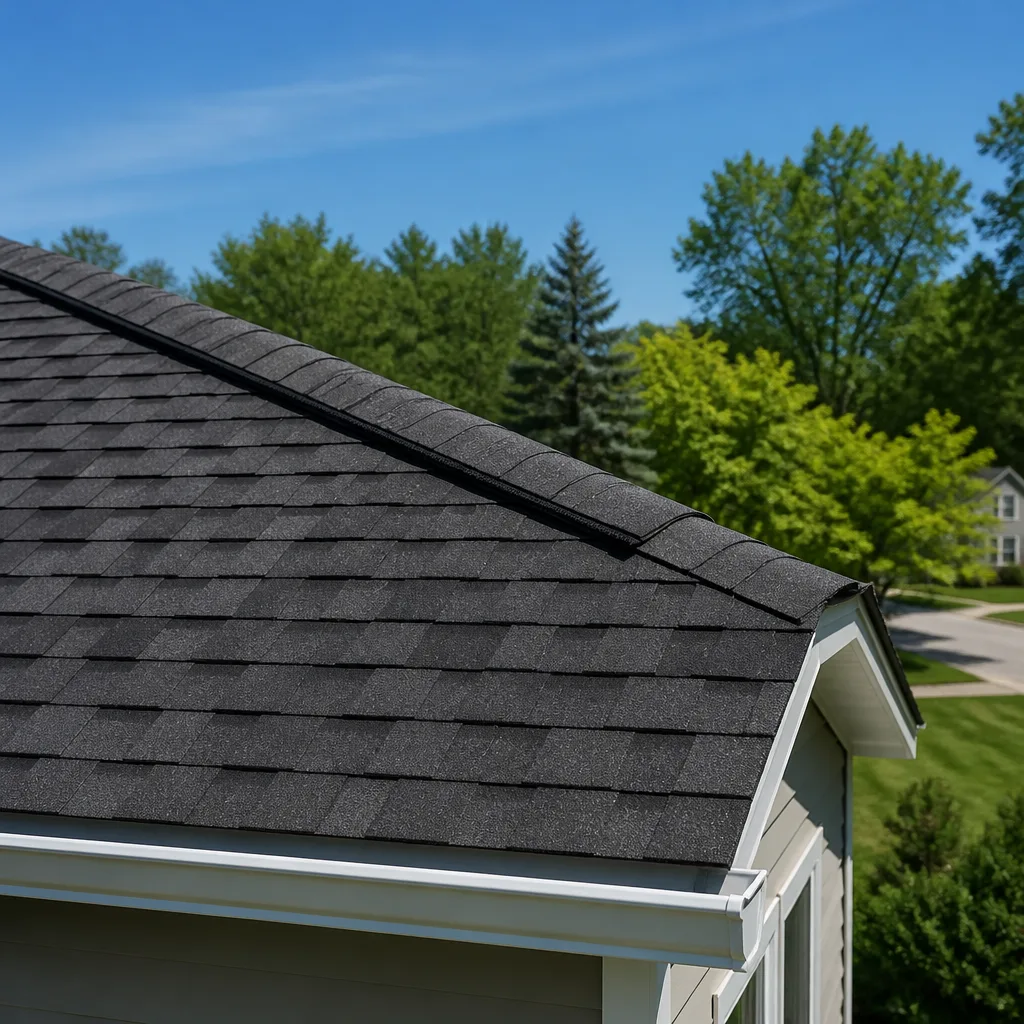
Free roof inspection with deck photos before we talk money - GAF and Owens Corning certified installation
The Complete Guide to Roofing in Kent
Kent gets more than 150 days of measurable precipitation in a typical year. Most of the roofing advice homeowners find online was written for places getting half that moisture, which is a big part of why so many local roofs fail well before their warranty period ends. A roof that performs in a dry climate can struggle here, and a roof that’s overbuilt for Arizona is money wasted in Kent. This guide walks through what actually matters for roofing in Kent: how the marine climate and freeze-thaw cycles at elevation shape your material choices, why moss and algae resistance belongs in your base specification rather than the upgrade column, how roof pitch and rainfall volume work together, and what manufacturer warranties really cover in a wet climate. You’ll finish knowing how to compare bids and ask better questions.
Quick Answer
The best roof for a Kent home balances moisture management, moss and algae resistance, and proper pitch for the material you choose. Asphalt shingle is the most common and most affordable choice; tile and metal cost more up front but handle Kent’s wet winters with fewer long-term moisture concerns. The written estimate, not the brochure, sets the final price, so get a line-item quote that names the underlayment and ventilation along with the surface material.
Styles & brands we work with
- Architectural shingles
- Metal roofing
- Tile roofing
- GAF
- Owens Corning
- Flat & low-slope
Table of Contents
- How Kent’s Climate Reshapes Roofing Decisions
- Underlayment: The Layer That Matters Most in Kent
- Moss and Algae Resistance: A Primary Spec, Not an Upgrade
- Roof Pitch, Rainfall, and Minimum Slope by Material
- Shingle, Tile, or Metal: Matching the System to the Home
- Manufacturer Warranties in a High-Moisture Climate
- Manufacturer Climate Ratings vs. Real-World Kent Performance
- What a Roof Replacement Actually Involves
How Kent’s Climate Reshapes Roofing Decisions
Kent sits in a marine climate with long, wet winters and dry summers, and neighborhoods at higher elevation around the valley can swing through freeze-thaw cycles that flatland roofs never see. That combination drives most of the roofing decisions that matter here. Persistent moisture keeps roof surfaces damp for days at a time, which feeds moss and algae and stresses every layer underneath the shingles. Freeze-thaw movement works on flashing, sealants and fasteners. None of this shows up in a national guide written for a climate with a fraction of the wet days.
What does that mean in practice? A few things shift when you’re roofing in Kent specifically:
- Drainage is the whole game. Water needs somewhere to go, fast. Valleys, gutters and the bottom edge of the roof do most of the work, and they need detailing that assumes steady rain rather than occasional storms.
- Drying matters as much as shedding. Ventilation keeps the deck and the attic from holding moisture that never gets a chance to evaporate.
- Material ratings travel poorly. A product tested for sun and heat exposure tells you little about how it handles months of damp.
We’ve watched this play out across Kent neighborhoods, from East Hill to Panther Lake, where the same storm hits homes with very different roof performance. The roofs that hold up are the ones whose systems were detailed for moisture from the deck up, not just shingled over. If you’re weighing a full replacement, our roof replacement page covers how we sequence the work for local conditions.
Underlayment: The Layer That Matters Most in Kent
The underlayment is the water-shedding layer beneath your shingles, and in Kent it does more work than it does almost anywhere else. Shingles handle most of the rain, but wind-driven moisture and prolonged damp push water past the surface layer far more often than in a dry climate. Underlayment is what stops that water from reaching the deck. Cheaping out here is the most common way a new roof underperforms its price.
Underlayment choices generally fall into a few categories, and the right pick depends on your roof’s pitch and how exposed it is:
- Synthetic underlayment resists tearing and holds up to moisture better than old-style felt. It’s the modern baseline for most sloped residential roofs.
- Ice-and-water membrane goes along valleys, eaves and anywhere water tends to back up. In Kent’s freeze-thaw zones, these details earn their keep.
- Felt still works on some applications but struggles with prolonged damp and wrinkles over time.
Underlayment selection is where Kent diverges from inland Pacific Northwest cities. A drier inland climate lets you get away with thinner underlayment because the roof dries out between storms. Here, it stays wet longer, so the underlayment needs to tolerate sustained moisture without breaking down. Ask any contractor what underlayment they’re specifying and why. If the answer is vague, that’s a signal about the rest of the bid. For new construction or a first roof, our new roof installation page explains how the layers come together.
Moss and Algae Resistance: A Primary Spec, Not an Upgrade
In Kent, moss and algae resistance belongs in the base specification, not the optional add-on column. The long wet season keeps roof surfaces damp enough for moss to establish and spread, and once it takes hold it traps moisture against the shingles and shortens their life. Algae streaks are mostly cosmetic but they signal a surface that stays wet. Either way, a roof chosen without resistance in mind will need more attention here than it would elsewhere.
What actually helps:
- Algae-resistant shingles. Many asphalt shingle lines, including products from CertainTeed and GAF, offer copper-infused granules that resist algae growth. Ask for the spec sheet, not just the marketing name.
- Material choice for shady slopes. North-facing slopes stay damp longest. Tile and metal shed water and dry faster than shingle, which reduces moss pressure.
- Flashings and valley metal. Copper and other metals discourage growth where water collects. It’s a small cost in the overall job for a real benefit.
- Maintenance. Simple clearing of debris and occasional cleaning keeps moss from getting a foothold on any material.
When you compare bids on Kent homes, look for moss and algae resistance as a stated line item. If it’s missing, the quote is probably for a roof that will look tired in a few short years. Our shingle roofing page goes deeper into the options within that category.
Roof Pitch, Rainfall, and Minimum Slope by Material
Roof pitch and Kent rainfall volume interact more than most homeowners realize. The steeper the roof, the faster water sheds and the less time it spends working at seams and penetrations. In a wet climate, low-slope roofs need more careful detailing and often a different material. Here’s roughly how pitch and material align:
- Steep slopes (roughly 4:12 and above): most shingle, tile and metal systems work well. This is where the widest material range is available.
- Moderate slopes (roughly 2:12 to 4:12): shingle and metal systems are common, usually with heavier underlayment and more attention to flashing.
- Low slopes (below 2:12): generally needs membrane or low-slope metal systems, not standard shingles. Shingles on a low slope in Kent are a recipe for leaks.
These are general guides, not code. Local building requirements and manufacturer installation instructions set the actual minimums, and some product lines have stricter limits than others. The point is that pitch doesn’t just affect appearance. It determines which materials are even available to you and how much of the waterproofing load the underlayment carries. A qualified roofer checks slope before recommending a product, and a bid that skips that step is worth questioning. If your home has an unusual roofline, that conversation is best had early.
Shingle, Tile, or Metal: Matching the System to the Home
Kent homeowners have three primary residential roofing categories to choose from, and the right one depends on the home, the budget and the exposure. We work across all three, which means you get a genuine comparison rather than whatever a single supplier pushes.
Asphalt Shingle
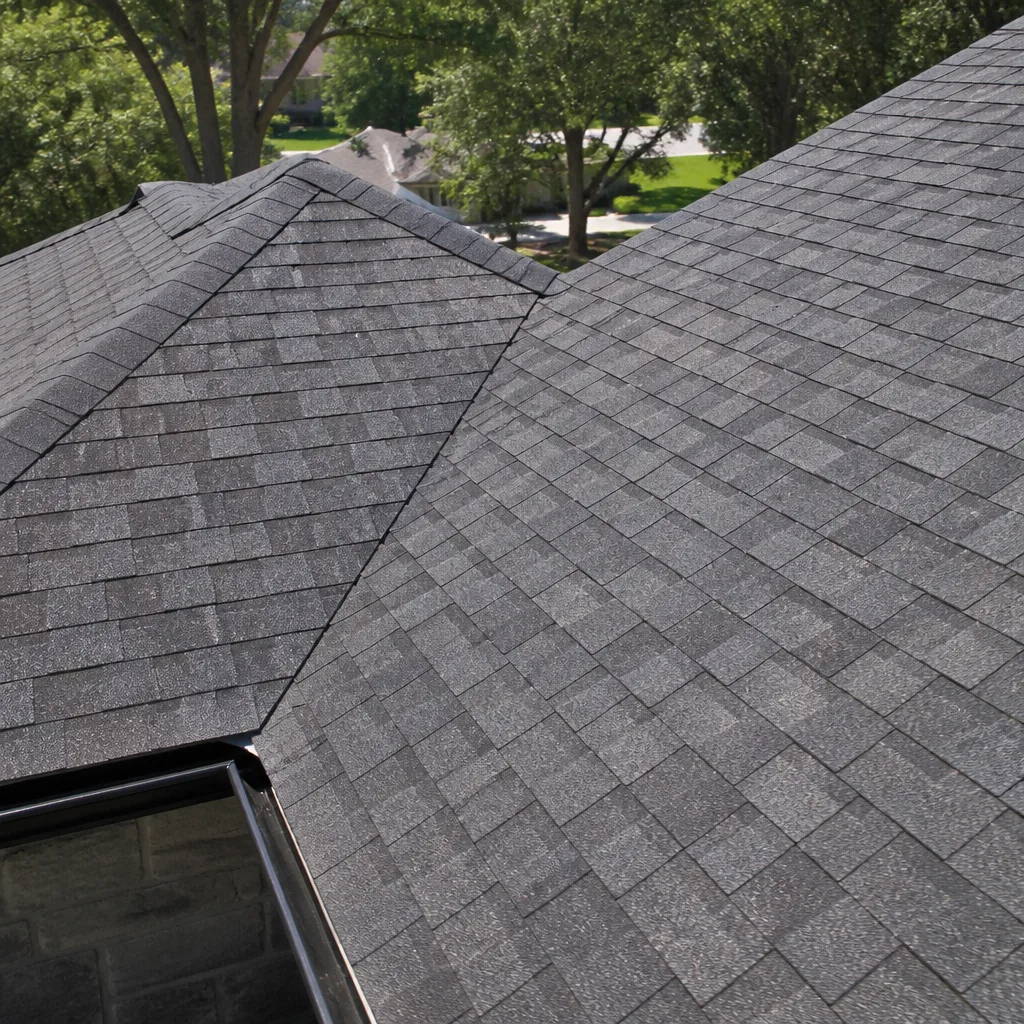
Shingle is the most common choice in Kent for good reason. It’s affordable, comes in a wide range of styles, and modern architectural shingles perform well when paired with the right underlayment and ventilation. Lifespan depends on the product line; algae-resistant options are the sensible baseline here. It’s the practical pick for most homes, though it needs the moss and algae spec called out.
Tile
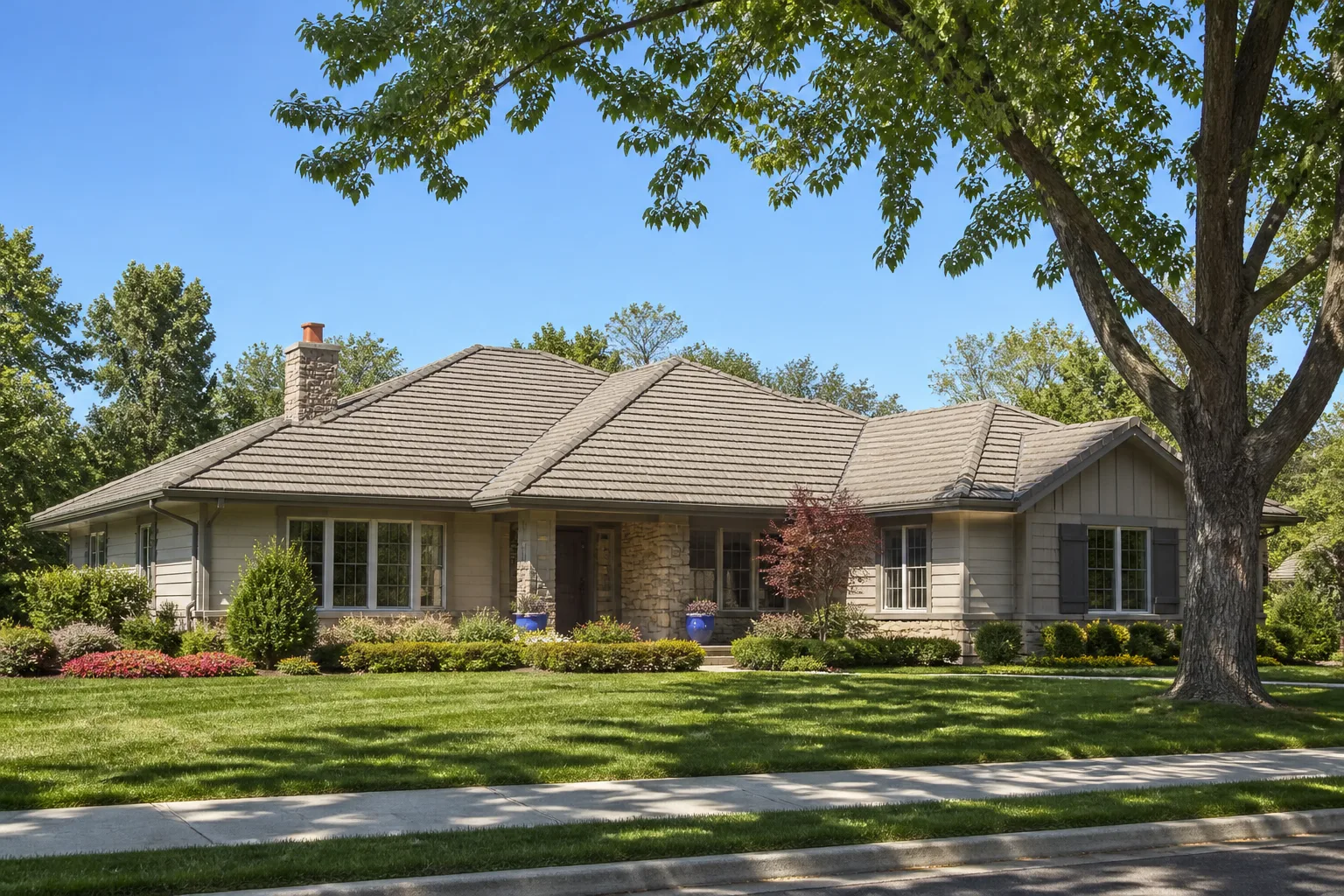
Tile handles Kent’s wet winters well. It sheds water, resists moss better than shingle, and lasts a long time. The tradeoff is weight, which some structures can’t carry without reinforcement, and higher upfront cost. Tile also needs skilled detailing at flashings and valleys. When the structure supports it and the budget allows, it’s a strong long-term choice.
Metal
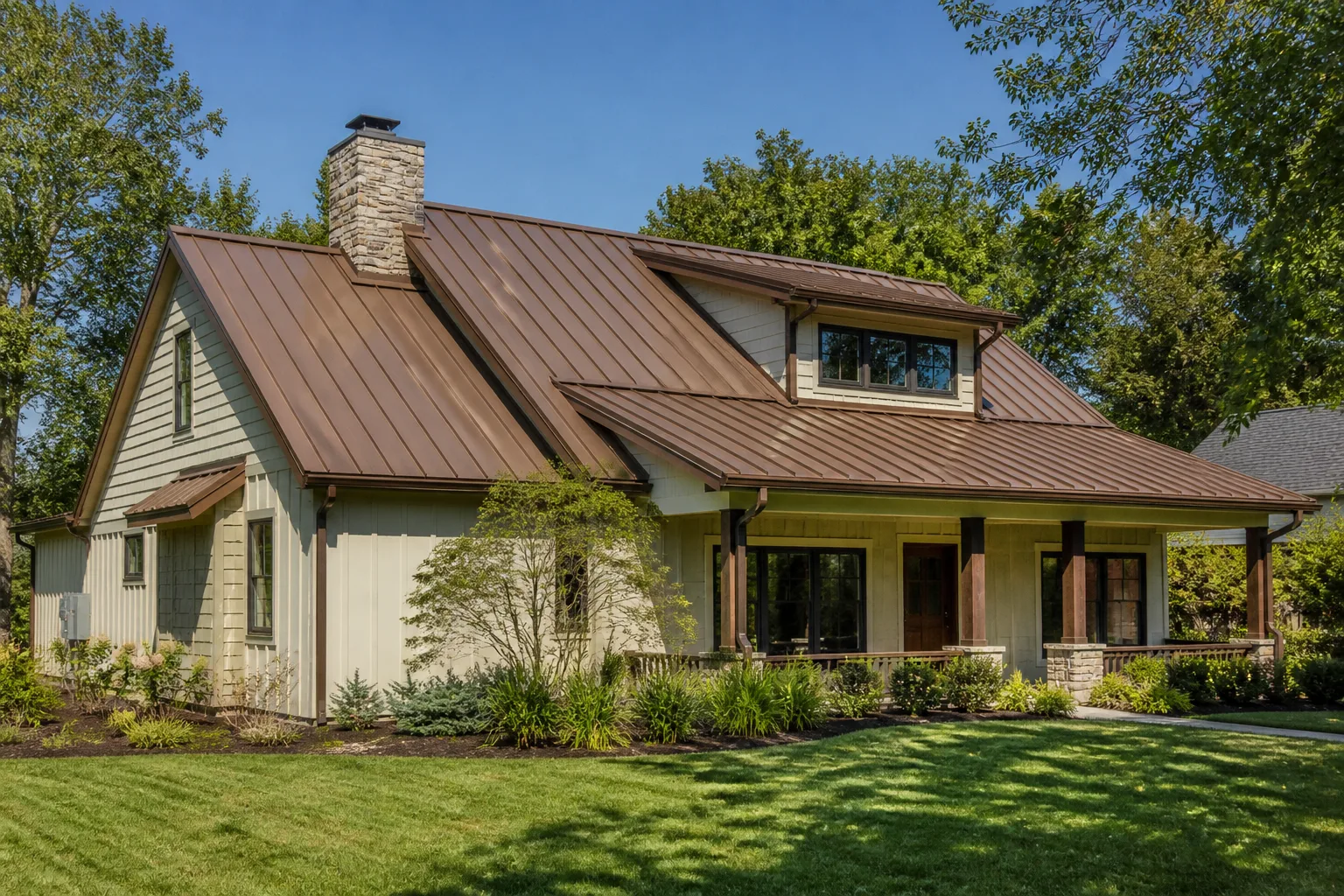
Metal sheds water fast, dries quickly and resists moss. Standing seam and other profiles come in a range of colors and finishes. Metal costs more up front than shingle but can last a long time, and it suits low-slope and complex roofs where shingle struggles. The key is choosing a finish rated for wet climates and getting the fasteners and seams detailed properly.
The right roof for your home is the one that matches its architectural style, climate exposure and budget, not the one that’s easiest to source. With shingle, tile and metal all on the table, the decision comes down to your home and your plans for staying in it.
Manufacturer Warranties in a High-Moisture Climate
Manufacturer warranties are only as good as their fine print, and moisture is one of the conditions that fine print cares about most. A product warranty covers defects in the material itself. It does not cover failures that come from improper installation, inadequate ventilation, or water intrusion that should have been managed by underlayment and flashing. In Kent, those are the failure modes that matter, which is why warranty quality isn’t tied to a single brand but to getting the whole system right.
What to check when comparing warranty options:
- Is the warranty tied to a specific installation system? Many manufacturers offer stronger coverage when their full system (underlayment, ventilation and accessories) is installed together. Ask what qualifies.
- Does the coverage align with local conditions? A warranty is only useful if it remains valid through the failures that actually happen here. Read the exclusions around ventilation and moisture.
- Who honors it? Manufacturer-backed warranties are stronger than a contractor’s verbal promise. Know what’s covered and for how long.
Working with manufacturer-backed product warranties across multiple brand lines means the coverage isn’t tied to one supplier relationship. We install systems from a set of major manufacturers, including TEMKO and Boral, and warranty terms vary by product line. The installer’s job is to match you with a system whose warranty genuinely fits the install.
Manufacturer Climate Ratings vs. Real-World Kent Performance
A manufacturer’s climate rating tells you the conditions a product was tested for, not how it will actually perform in Kent. Testing environments can’t replicate the local combination of long wet seasons, moss pressure and freeze-thaw movement at elevation. Two products with similar ratings can behave very differently on a damp, shady slope in Kent. The real-world record comes from how a system handles years of local weather, and that’s harder to find in a brochure.
What we look at when evaluating a product for Kent homes:
- Drying behavior. How quickly does the product shed and dry after sustained rain?
- Moss and algae performance over years, not the first season. Resistance treatments and material choice both matter.
- Fastener and flashing durability. Freeze-thaw zones stress the details before they stress the surface.
- Local experience. Products with a track record on Kent roofs tell you more than any lab rating.
Manufacturer ratings are a starting point. The decision is made by matching the product to the home and the climate, then installing the whole system correctly. A roof replacement is a 20 to 50 year decision. It’s worth treating it that way. When you get bids, ask the contractor how they’ve seen a product perform on Kent roofs specifically, not just how it rated in the catalog.
What a Roof Replacement Actually Involves
A typical roof replacement in Kent runs in a sequence, and knowing it helps you compare bids and hold contractors accountable. The steps don’t change much by material, though the details do.
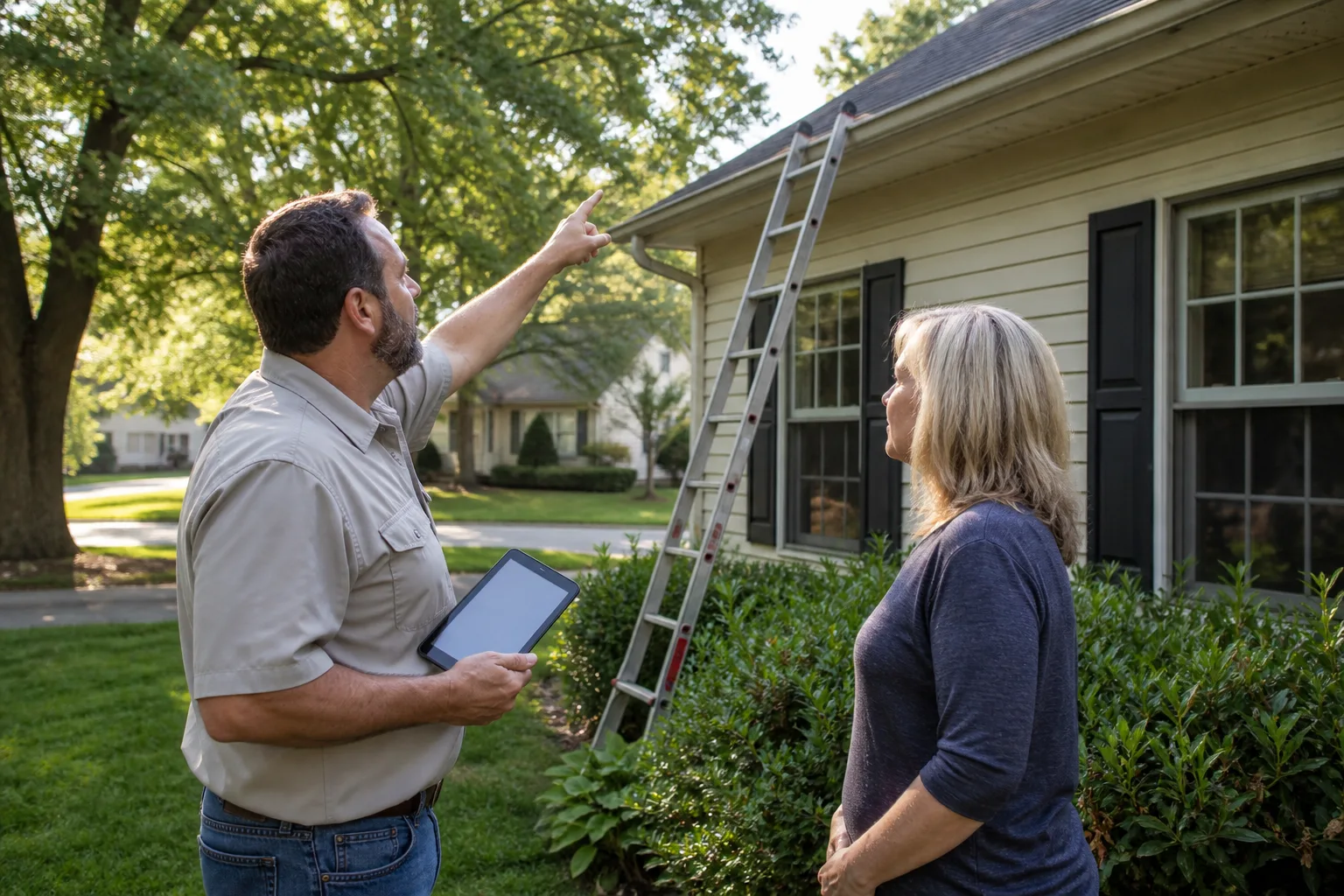
- Inspection and measurement. Roof slope, deck condition, flashing, ventilation and the existing layers all get checked before anything is ordered.
- Written line-item estimate. The quote should name the surface material, underlayment, ventilation and flashing details, with the final price set by the written estimate.
- Permits. Most cities require a permit for roof replacement, so the contractor pulls it and the work is inspected.
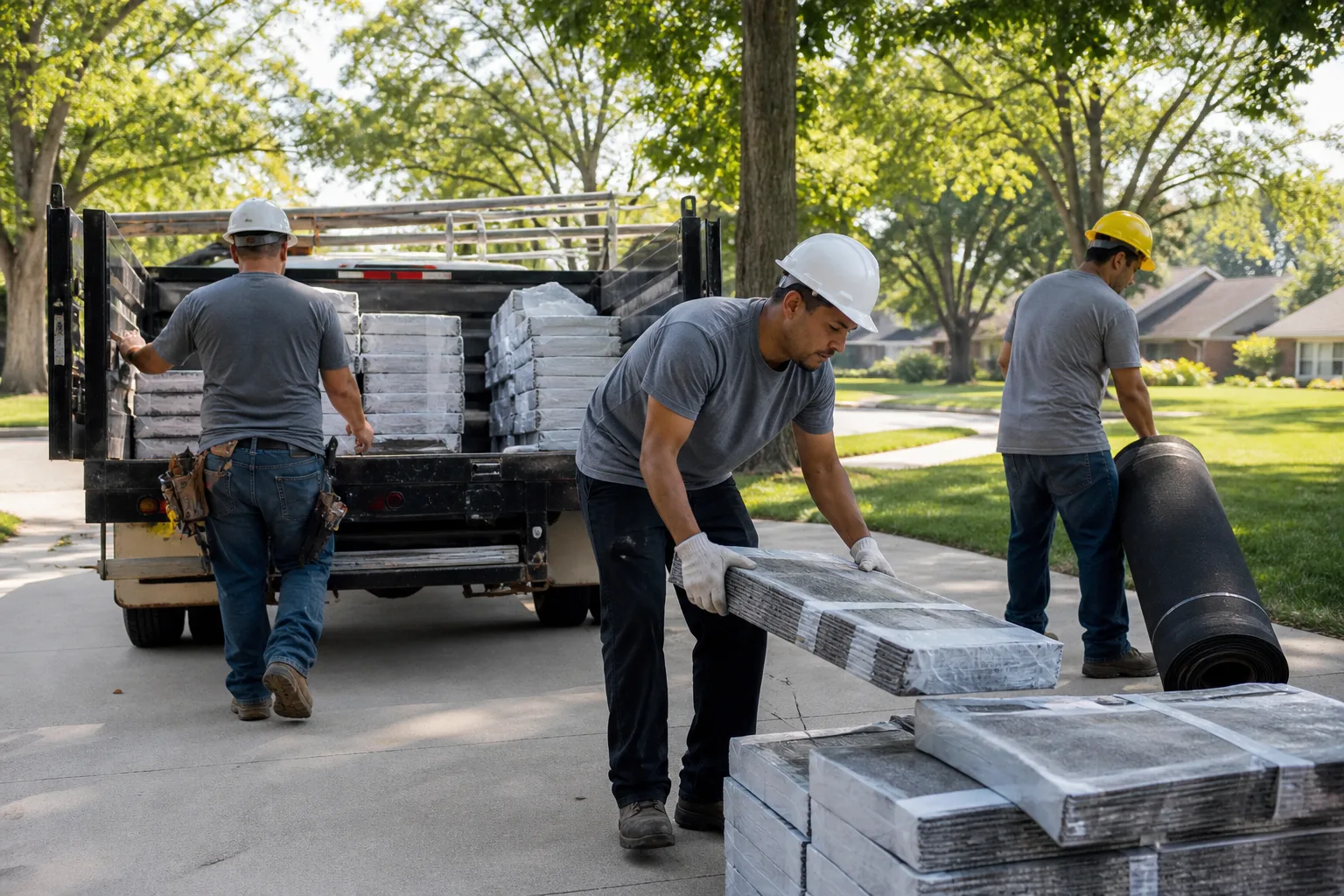
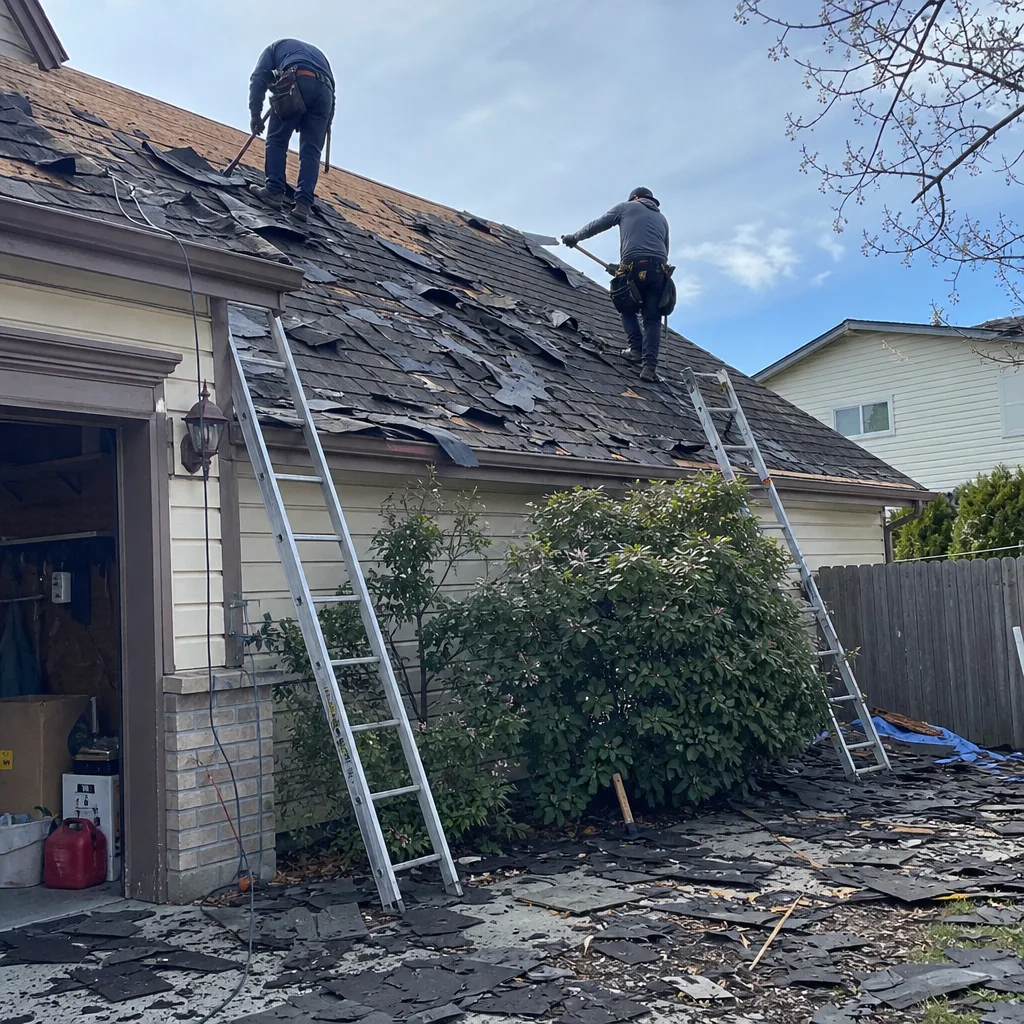
- Tear-off and deck inspection. Old material comes off, and the deck is checked for rot or damage, especially in a wet climate.
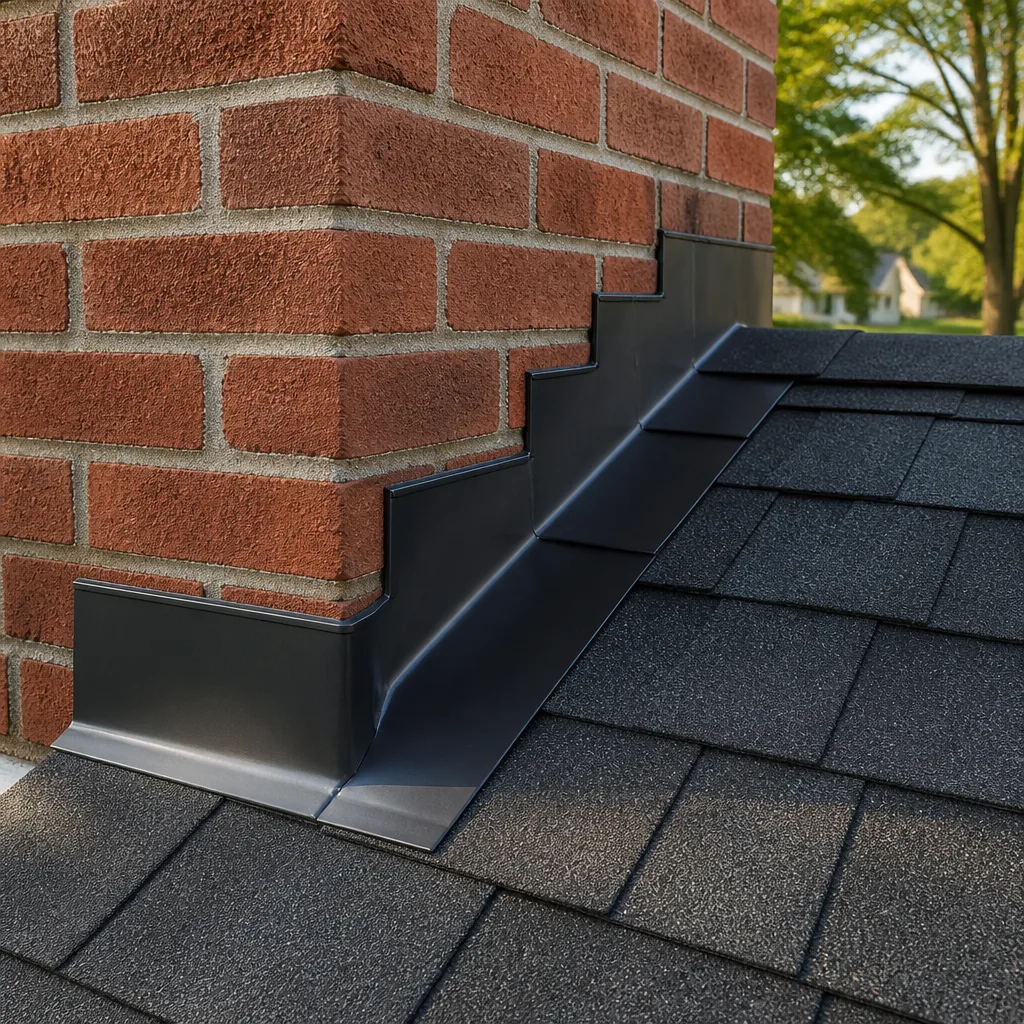
- Underlayment and flashing. The water-shedding layers and the details at valleys, eaves and penetrations go on before the surface material.
- Surface installation. Shingle, tile or metal goes down per the manufacturer’s instructions.
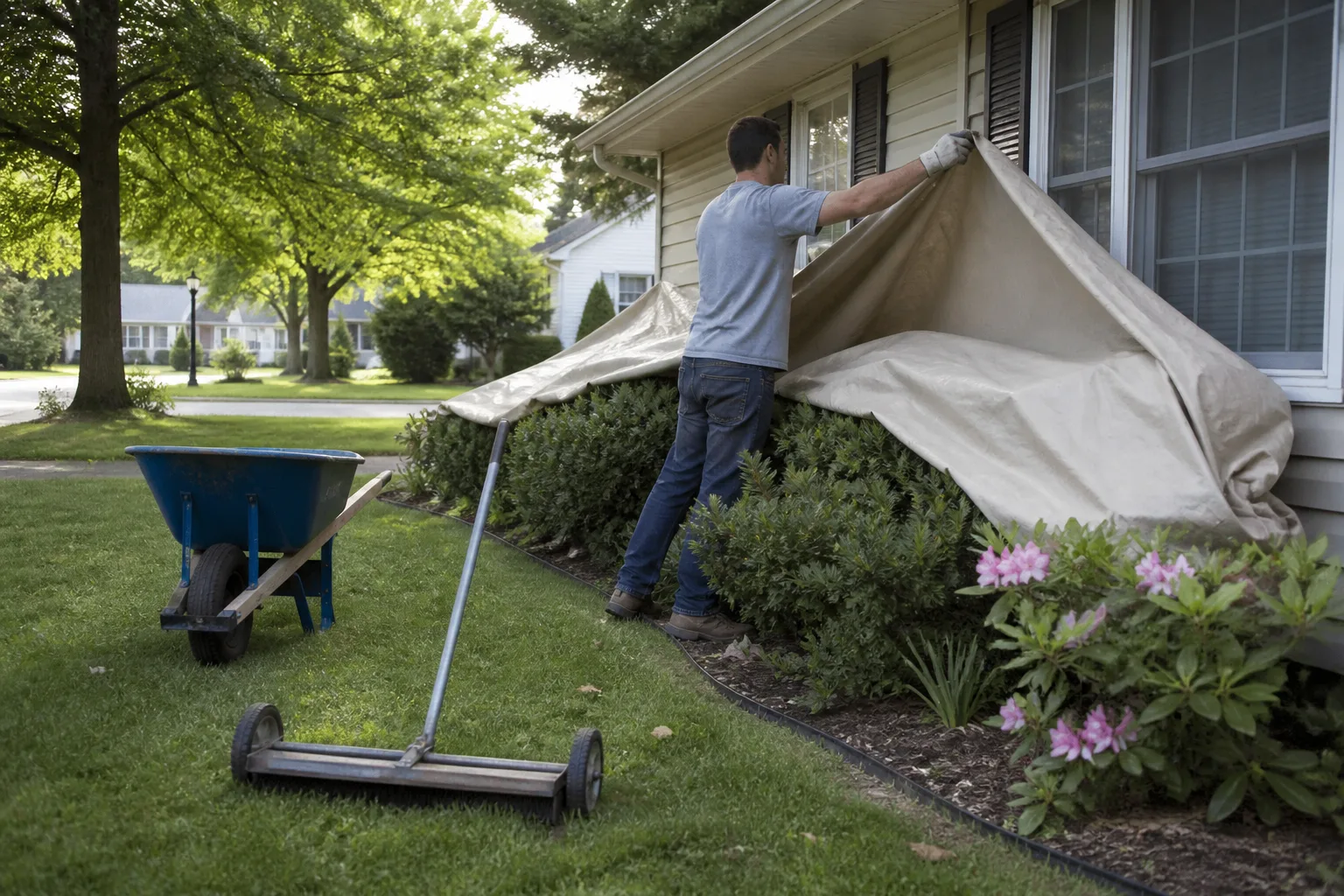
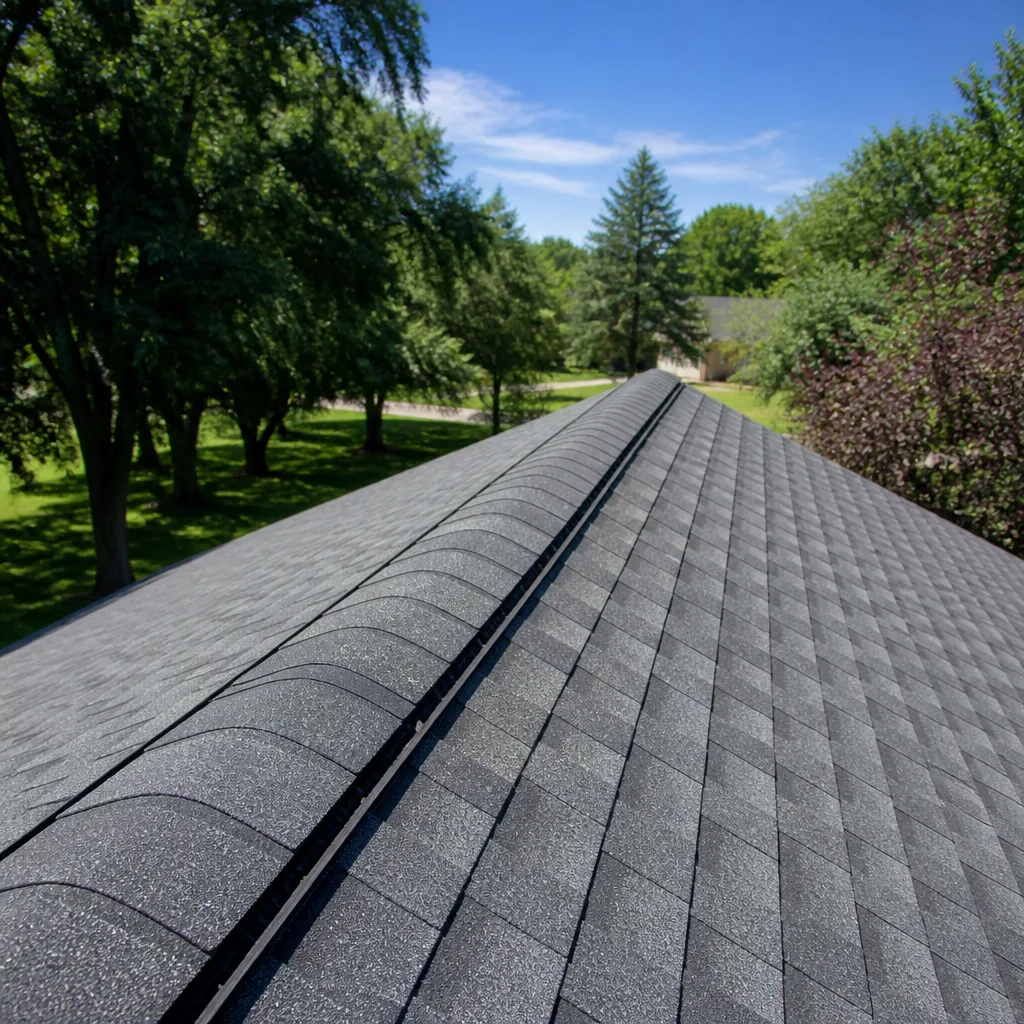
- Ventilation and final inspection. Ventilation gets balanced, the site is cleared, and the completed work is inspected.
Timing depends on the size and complexity of the roof, the material, and the weather. A fix for an isolated problem can sometimes be handled quickly, but a full replacement is planned work, not a same-day job. What you can count on is a written estimate before work starts and a clear sequence. For a broader look at how we approach the work, visit Kent Roofing Co.
Common Mistakes to Avoid
- Skipping the underlayment spec. If the bid doesn’t name the underlayment, you can’t compare it. In Kent’s wet climate, that layer is doing more work than the shingles in a lot of failures.
- Treating moss resistance as an upgrade. Homeowners who skip it usually pay for it in cleaning, shortened life or premature replacement. It belongs in the base quote for any roof in Kent.
- Putting shingles on a low slope. Low-slope sections need membrane or low-slope metal. Standard shingles on a shallow pitch leak, and no amount of sealant fixes poor pitch planning.
- Ignoring ventilation. Trapped moisture from poor ventilation damages the deck and the surface material. It’s one of the failure modes warranty exclusions target most.
- Choosing on color and price alone. The right roof for your home is chosen on pitch, exposure, structure and material performance, then color.
- Taking a verbal warranty over a manufacturer-backed one. Ask what’s covered, who honors it, and how long it lasts. Get it in the written quote.
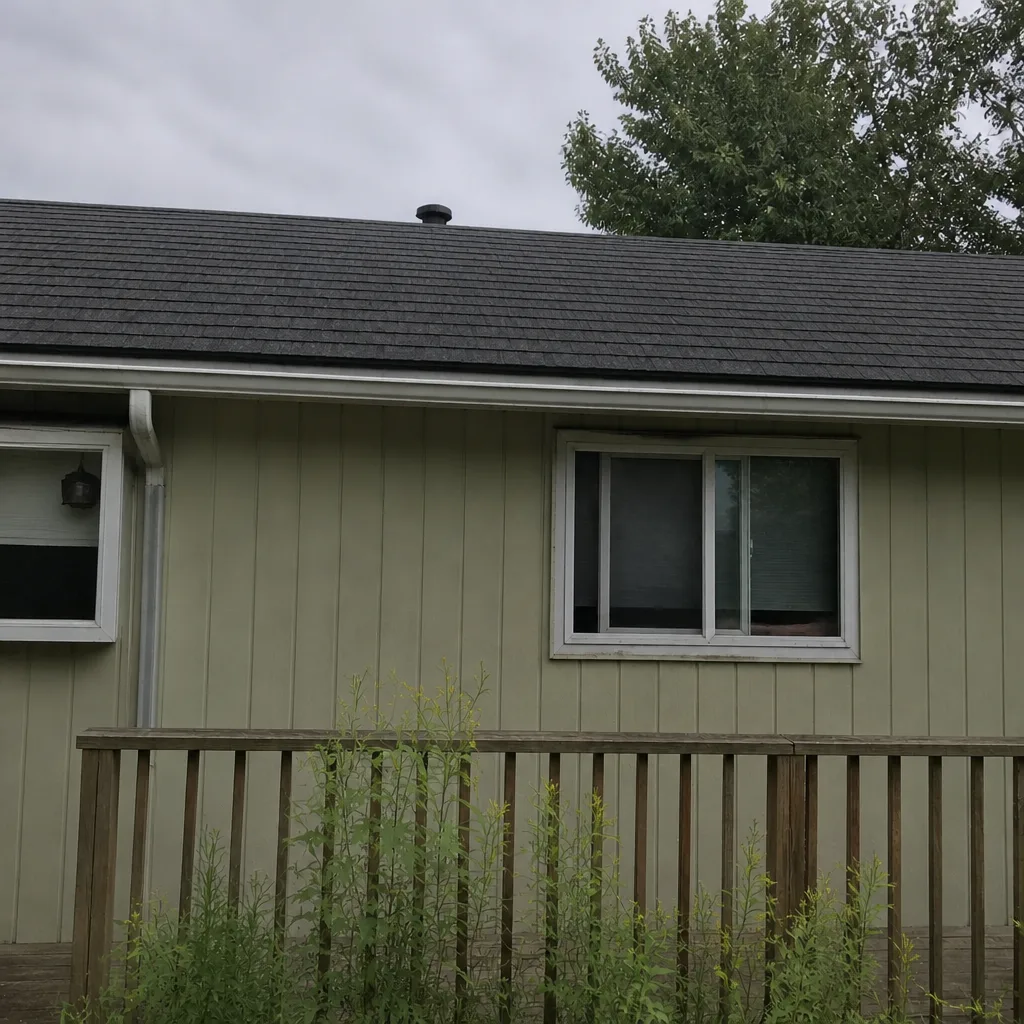
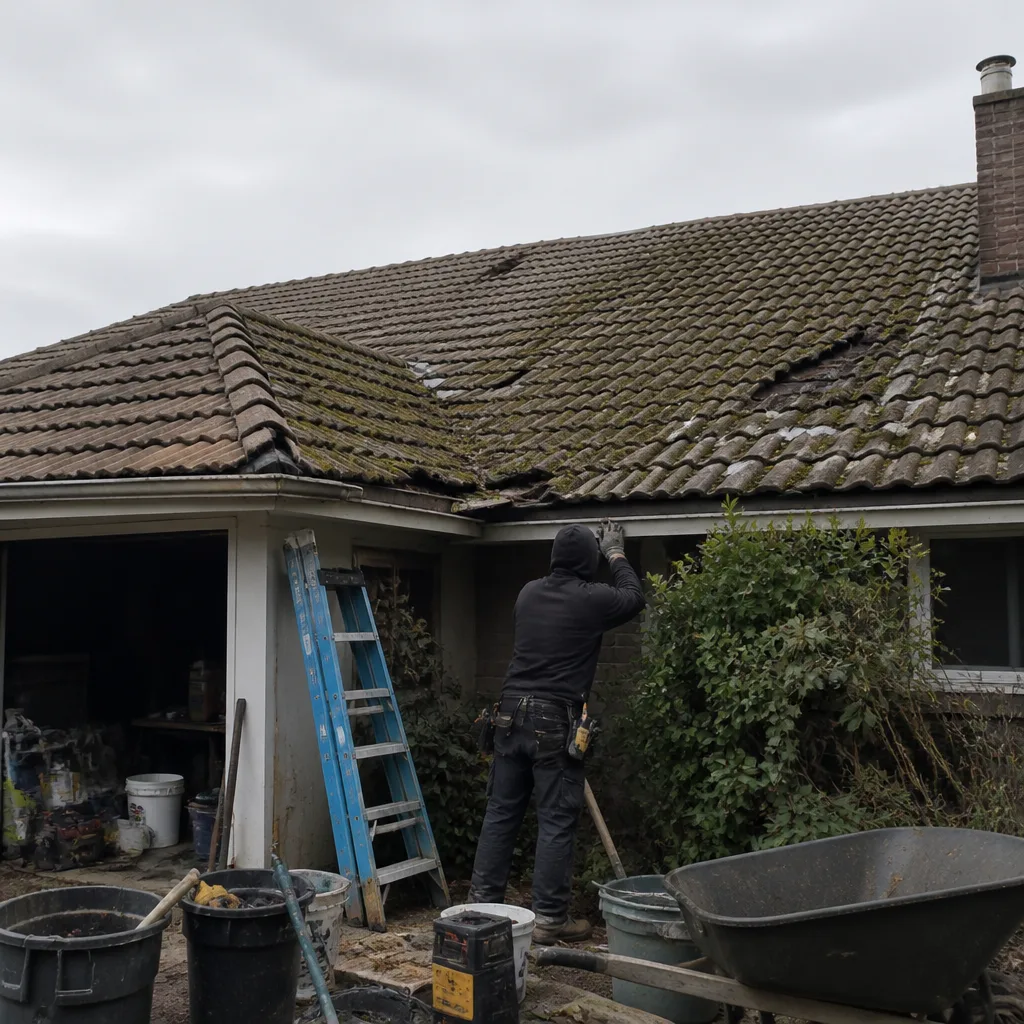
See the difference
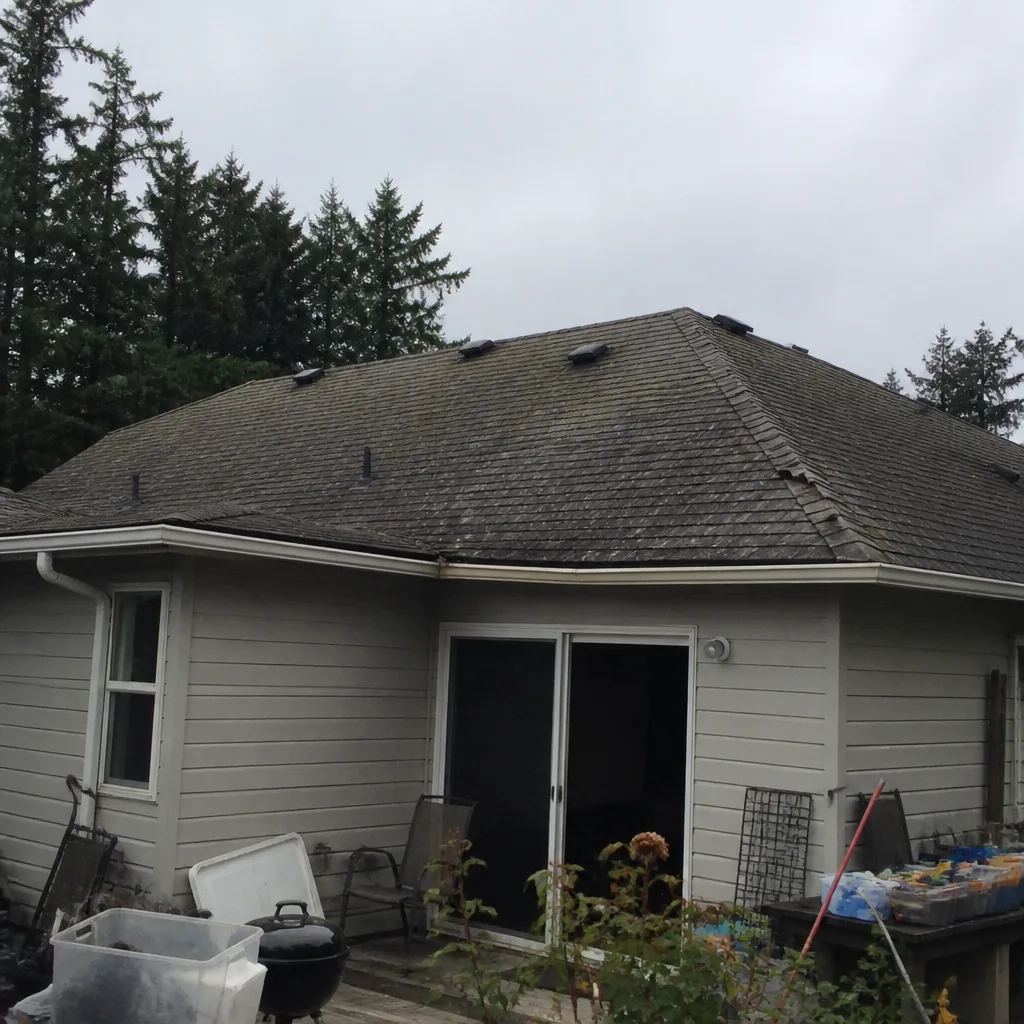 Before
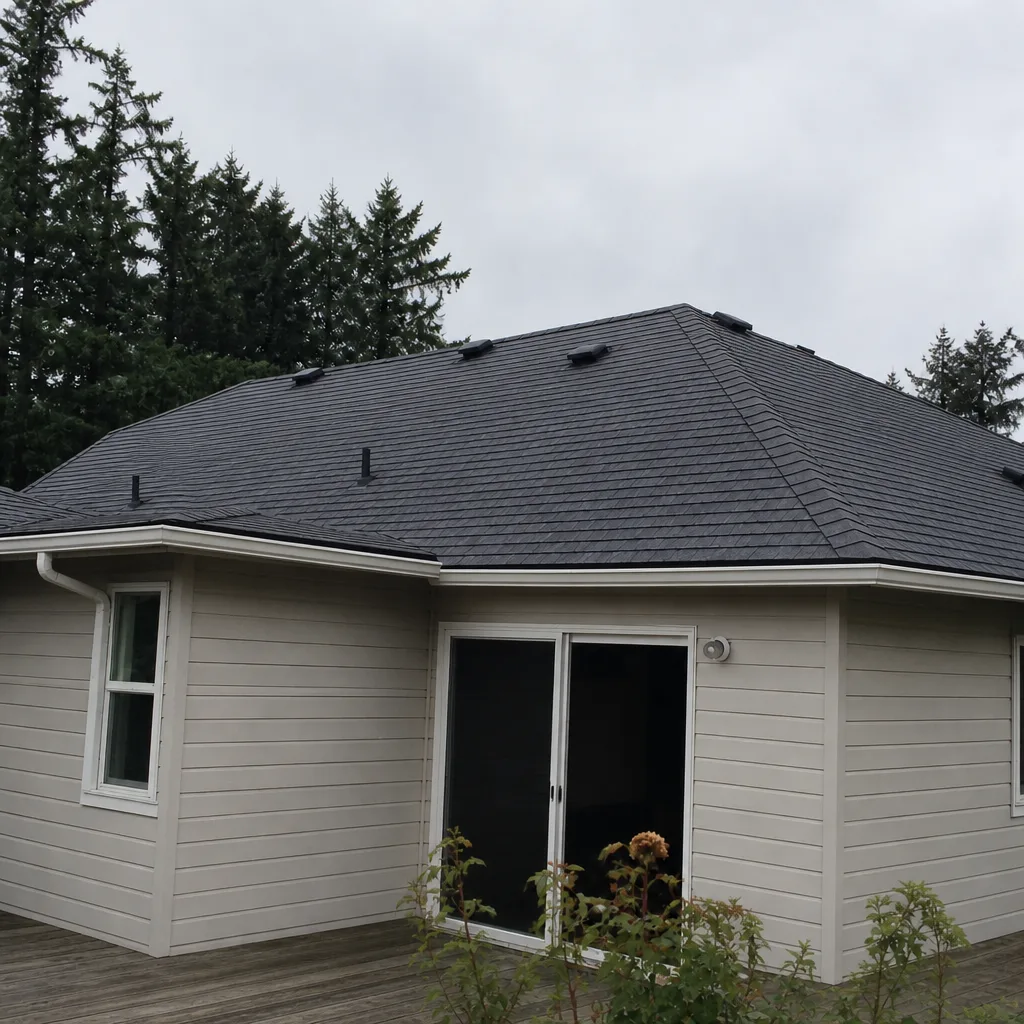 After
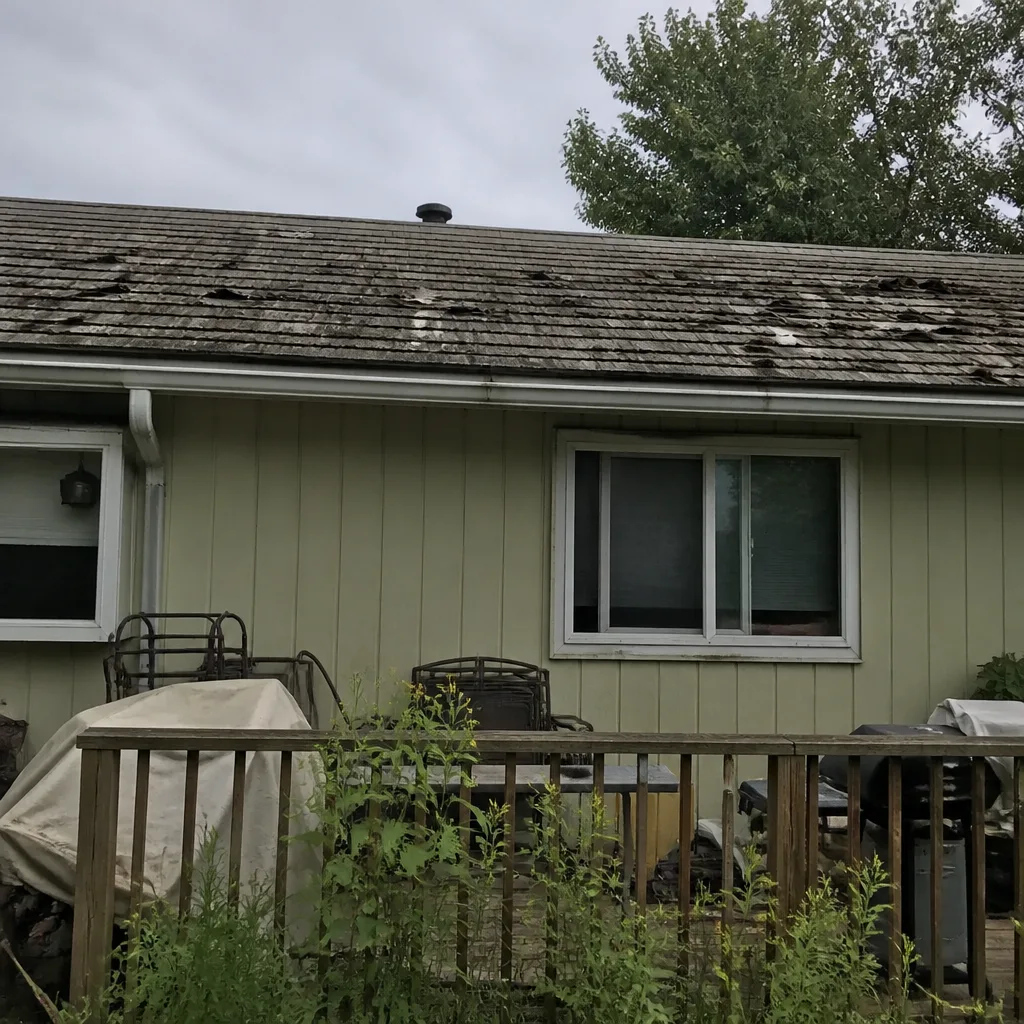 Before
 After
 Before
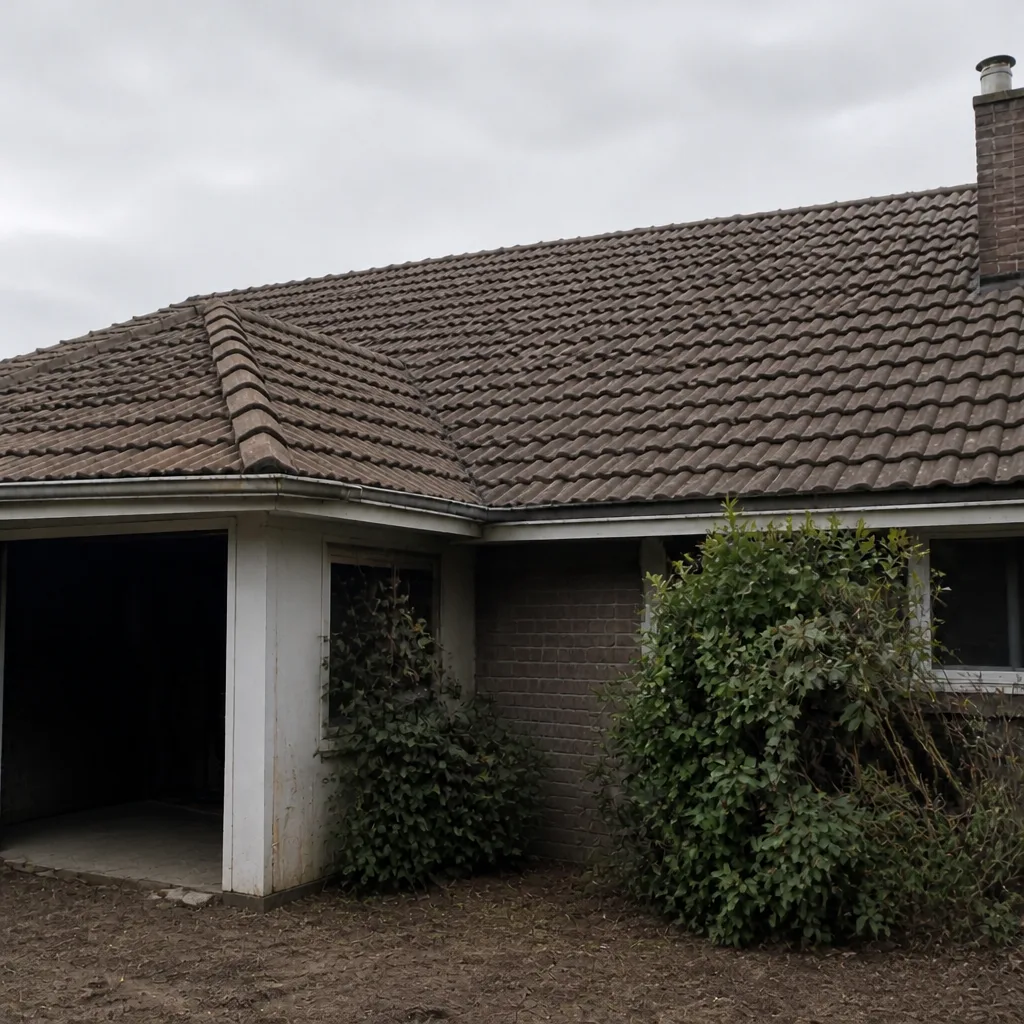 After
When to Call a Professional
Some roof problems are worth a look right away. Call a professional if you see water stains on ceilings or in the attic after rain, if shingles are curling, cracking or missing, if moss has spread across a slope and you can’t get it under control, or if flashing around chimneys and skylights looks loose or rusted. Also call if your roof is past its expected lifespan and you’re planning to stay in the home, or if you’re buying a Kent house and want the roof assessed before you commit. A qualified roofer can tell you whether a repair or a full replacement makes more sense for the condition. Kent Roofing Co offers free estimates in Kent, and our technicians have up to 13 years of experience. Call (253) 270-0797. We answer 24/7. Fast dispatch from 7am to 7pm, Sunday through Friday.
Frequently Asked Questions
Roof replacement in Kent varies widely by roof size, material and complexity, and the written estimate sets the final price. Shingle is the lowest-cost option; tile and metal cost more up front. Because the written estimate sets the final price, get a free line-item quote before committing. Call (253) 270-0797 for an exact quote. Estimates are free.
There’s no single best material, but the right answer depends on your roof’s pitch, exposure and structure. Shingle is the most common and affordable, tile sheds water and resists moss well, and metal handles low-slope and complex roofs. In all cases, the underlayment and ventilation matter as much as the surface material. Call (253) 270-0797 to talk through your options.
Moss and algae resistance is a primary specification in Kent, not an optional upgrade. The long wet season keeps roof surfaces damp enough for moss and algae to establish, and once it does, it traps moisture against the shingles. Choosing a product with algae-resistant granules and copper detailing on your bid makes a real difference. Ask us about it when you call.
Most cities require a permit for roof replacement, so ask your city’s building department about local rules. A qualified contractor pulls the permit and has the work inspected. Ask who is pulling the permit in your bid. Call (253) 270-0797 for an exact quote. Estimates are free.
The written line-item estimate sets the final price. Roof replacement pricing should be specific: the material, underlayment, ventilation and flashing details should all appear in the quote, so there’s no room for surprise change orders. If a bid is vague, ask for the itemized version before signing. Call (253) 270-0797 to schedule your free estimate.
Timing depends on roof size, material and weather. A straightforward shingle roof takes less time than a complex tile or metal install. The work is planned rather than same-day, and the estimate should lay out the expected schedule. Call (253) 270-0797 for an exact quote. Estimates are free.
The Bottom Line
Roofing in Kent is a moisture-management problem first and a materials question second. The roofs that hold up are the ones whose underlayment, ventilation, flashing and pitch were chosen for a wet marine climate, not national averages. Moss and algae resistance belongs in the base specification. Pitch determines which materials you can even install. Manufacturer warranties are strongest when the whole system is installed together, so the installer’s job is matching you with the right system. A roof replacement is a 20 to 50 year decision, and a written line-item estimate is how you protect it. Call (253) 270-0797 for a free estimate.
Written by the team at Kent Roofing Co.