Last updated November 25, 2026
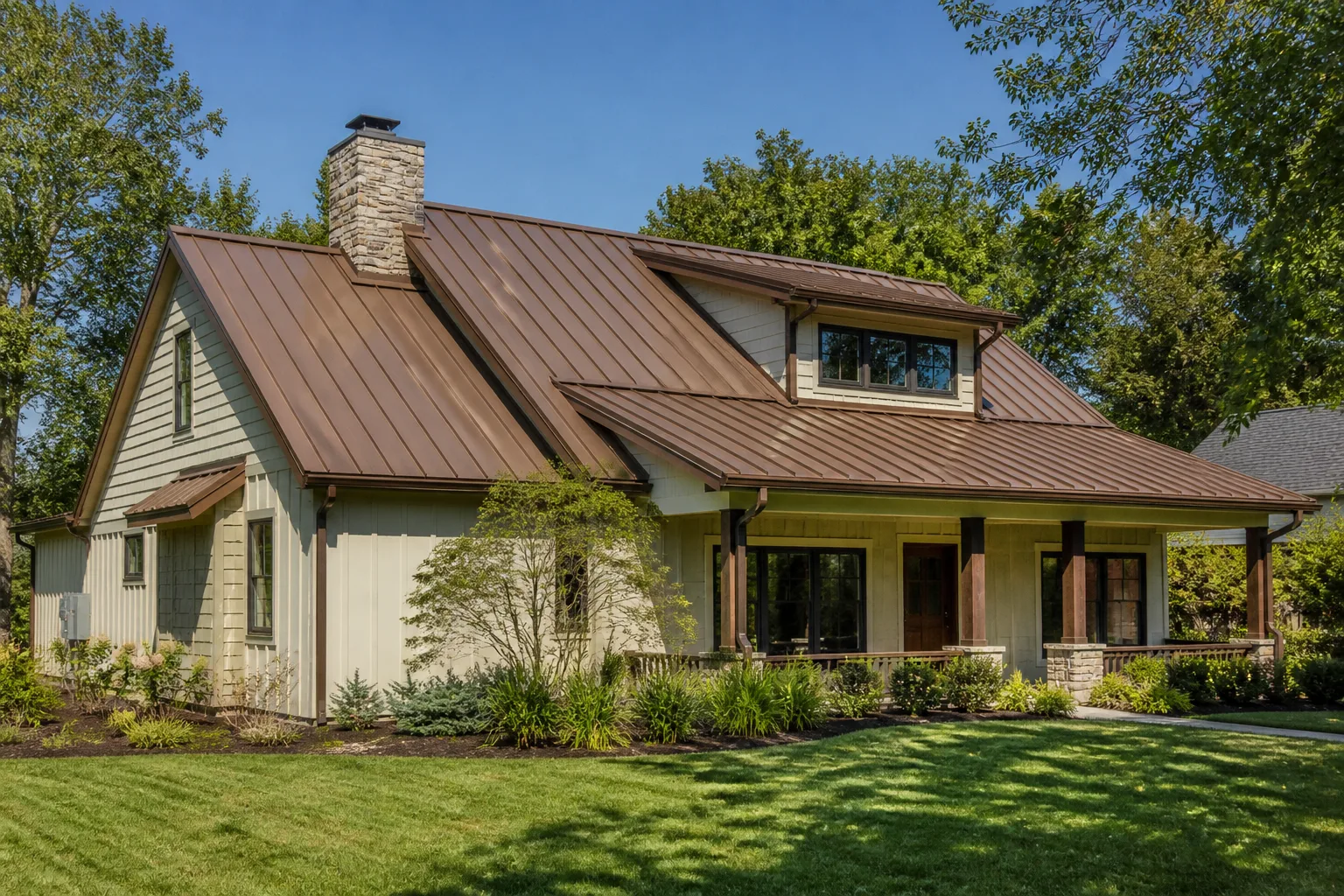
Free roof inspection with deck photos before we talk money - GAF and Owens Corning certified installation
Roof Replacement Maintenance Checklist for Kent Homeowners
Most manufacturer warranties include a maintenance clause that homeowners never read. Failure to perform documented upkeep – clearing debris, keeping drainage open, addressing moss – gives a manufacturer legal grounds to deny a claim years later. That clause is the difference between a roof that performs for decades and a warranty that quietly becomes worthless. In Kent, where fall debris loads are heavy and moss grows aggressively through spring, maintenance matters more than in drier climates. This guide walks through the post-installation milestones, the seasonal calendar, and the documentation habits that keep a new roof and its warranty intact.
Quick Answer
A roof replacement in Kent needs three checkpoints in the first five years – an inspection at roughly 30 days, a full review at the one-year mark, and another at year five – plus routine debris clearing, drainage checks, and moss management documented in writing with dates and photos. Shingle, metal, and tile roofs each need different tasks, but all three depend on the same thing: keeping water moving off the roof and proving you did the upkeep if a warranty claim ever comes up.
Styles & brands we work with
- Architectural shingles
- Metal roofing
- Tile roofing
- GAF
- Owens Corning
- Flat & low-slope
Table of Contents
- Why the Warranty Maintenance Clause Matters More Than the Warranty Length
- The Post-Installation Inspection Milestones: 30 Days, 1 Year, 5 Years
- A Kent Maintenance Calendar Built Around Fall Debris and Spring Moss
- How to Document Maintenance So It Holds Up in a Warranty Dispute
- Gutters and Drainage: A Substrate Protection Task, Not a Chore
- Which Maintenance Tasks Differ by Material: Shingle vs. Metal vs. Tile
- What the First Five Years Actually Decide
Why the Warranty Maintenance Clause Matters More Than the Warranty Length
A 50-year warranty sounds definitive. It isn’t. Manufacturer-backed product warranties on qualifying installs are conditional documents, and the conditions include upkeep. The length of the warranty gets all the attention in a sales conversation; the maintenance language buried in the fine print is what actually determines whether a claim gets paid.
Most manufacturers require the same basic things from a homeowner: the roof is kept reasonably clear of debris, drainage systems are maintained so water doesn’t back up under the roofing, and conditions that degrade the material – like uncontrolled moss growth – are addressed rather than ignored. Miss those, and a manufacturer has a documented reason to deny a claim even on a young roof.
This is where material choice matters. When we work with GAF or CertainTeed on a shingle system, or Boral on a tile system, the warranty language differs slightly between brands and product lines. A homeowner choosing through Kent Roofing Co gets to compare those terms side by side rather than accepting whatever a single-brand contractor happens to install. Seven manufacturer lines means the warranty terms are part of the decision, not an afterthought.
Read the maintenance clause before installation, not after a problem shows up. Ask what documentation the manufacturer expects and in what form – most accept dated photos and written records of service. Keep that clause with the warranty paperwork and know what it asks of you.
The Post-Installation Inspection Milestones: 30 Days, 1 Year, 5 Years
Warranty-relevant maintenance isn’t continuous vigilance. It’s a schedule. Three checkpoints in the first five years cover almost everything a manufacturer wants to see and catch the small issues before they become expensive ones.
30-Day Inspection
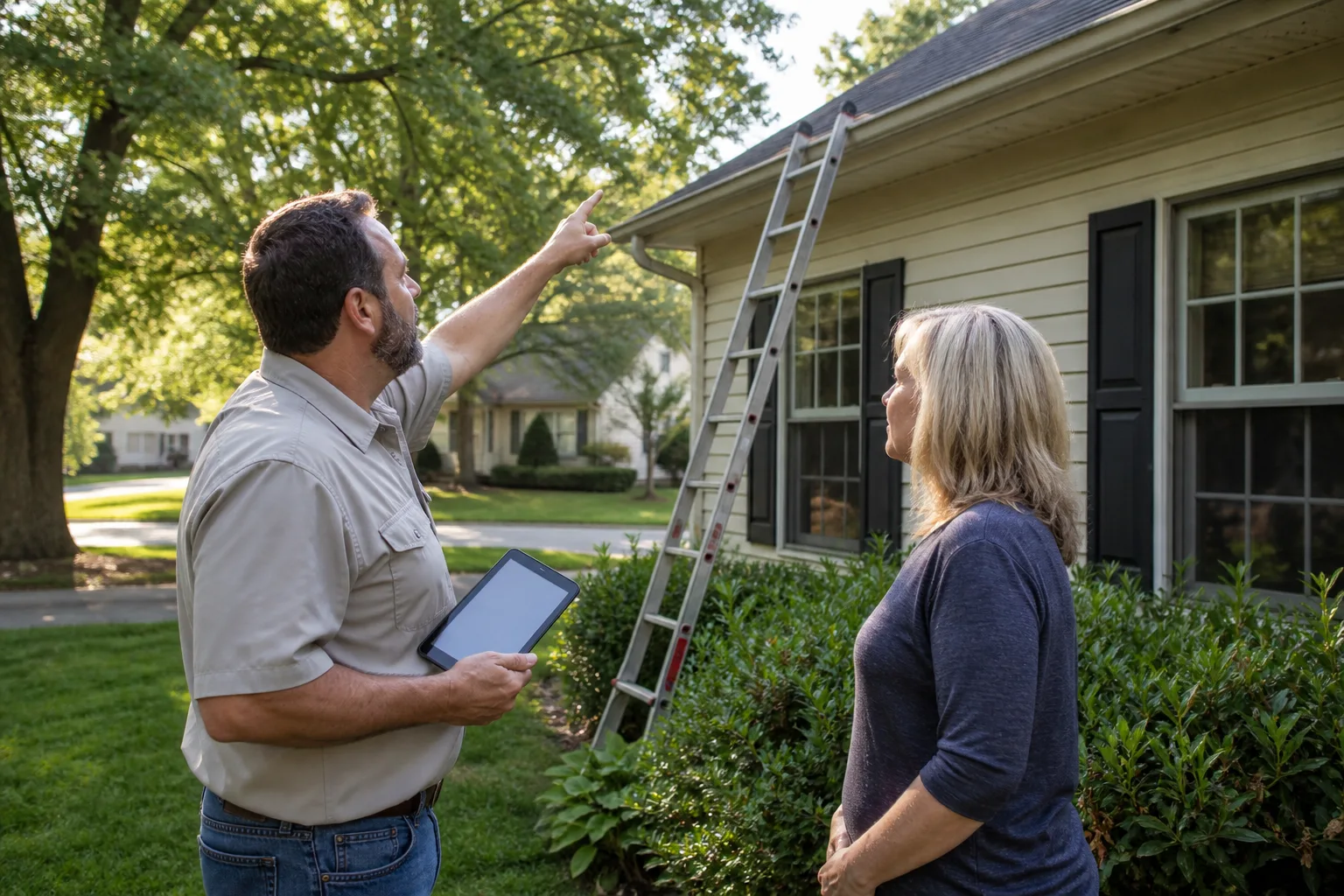
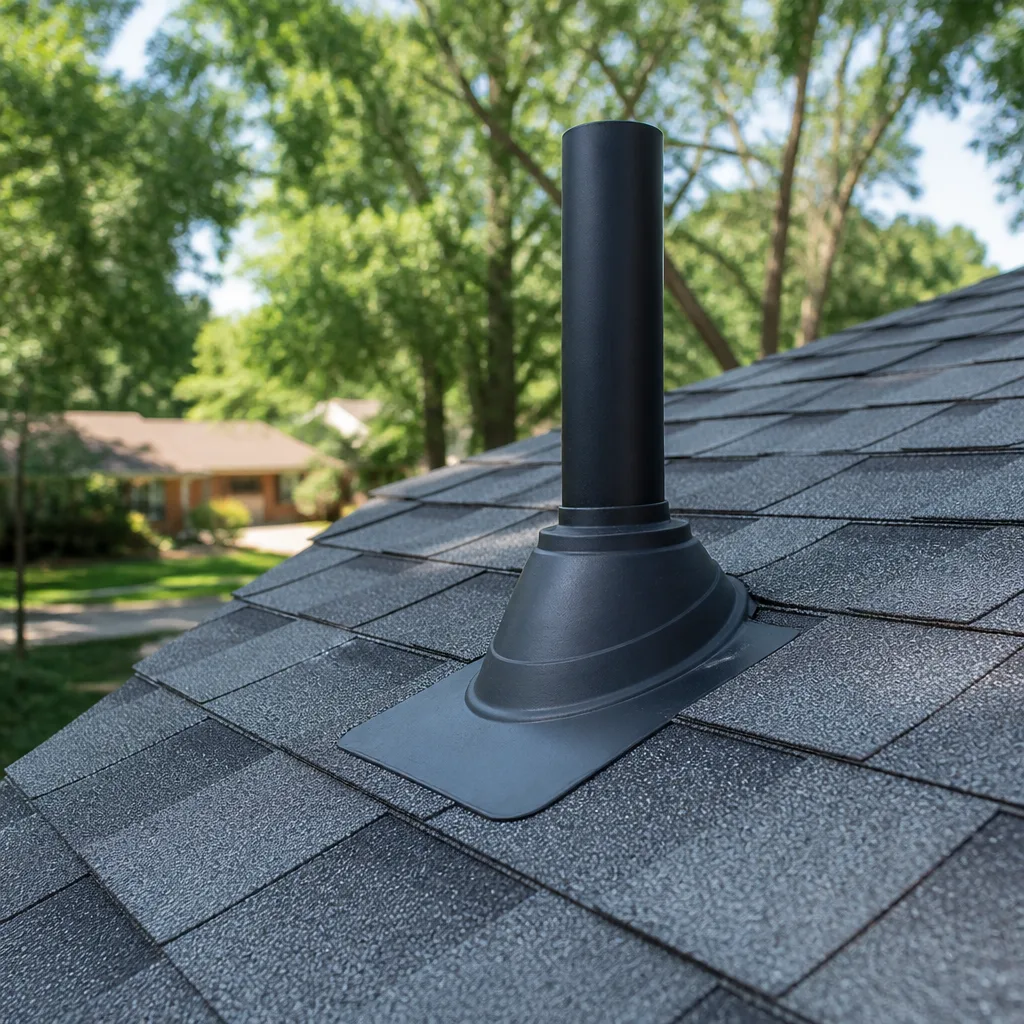
Around one month after installation, the roof should be checked for anything settling, sealing, or draining incorrectly. New flashing needs to be verified against the actual weather it’s seen. Sealant on penetrations and around vents should be sitting correctly. This is the earliest point where installation issues would surface, and catching them inside the first 30 days keeps them clearly in the installer’s lane rather than blurred into later wear.
One-Year Review
The one-year mark is the most important checkpoint. A roof has been through a full seasonal cycle by then – fall leaf load, winter rain, the spring moss push. The one-year review should confirm that drainage is working, that debris hasn’t accumulated in valleys or behind penetrations, and that the roofing material itself is behaving as intended. Document this review with photos and a written summary. Manufacturers care about the record, and so does any future claim.
Five-Year Assessment
At year five, the roof has a real track record. This assessment is less about warranty compliance and more about course correction. Small maintenance gaps – moss starting in shaded areas, granule loss on a shingle valley, minor sealant wear around penetrations – are cheap to fix at year five and expensive to fix at year fifteen. This is also when a homeowner can see whether the roof system chosen at installation still fits the way the house is actually used.
Every checkpoint should produce a record: date, what was checked, what was found, what was done. Two photos of each area is enough. A folder on a phone works.
A Kent Maintenance Calendar Built Around Fall Debris and Spring Moss
Kent’s seasonal pattern drives a specific maintenance rhythm that doesn’t match generic checklists. The two pressure points are fall debris and spring moss, and both are predictable enough to plan around.
- Early fall (before leaf drop): Clear gutters and downspouts before the heaviest debris load arrives, and check that valley areas on the roof are free of accumulated material. The goal is capacity when it matters.
- Late fall (after leaf drop): A second clearing pass. This is the heaviest debris load of the year in Kent, and a gutter that was clean in September won’t be clean in November.
- Winter: Monthly visual checks from the ground after significant storms. Look for displaced flashing, visible damage, and standing water in gutters. No need to climb – anything that looks off warrants a professional look.
- Early spring: Inspect for moss growth and address it before it spreads into shaded north-facing slopes. Moss holds moisture against the roofing material, which is exactly the condition most warranties warn about.
- Late spring: Verify that drainage from the spring storms hasn’t deposited debris in valleys or behind penetrations. A short check after the wettest stretch of the year.
- Summer: Best window for any scheduled maintenance or repairs. Roofing work in dry conditions is cleaner, and any issues flagged earlier in the year can be resolved before the next debris cycle.
Moss in Kent moves fast. Shaded slopes that face north or sit under tree cover will show growth earlier and more aggressively than sun-exposed areas. Treat moss as a recurring annual task, not a one-time fix.
How to Document Maintenance So It Holds Up in a Warranty Dispute
Manufacturers don’t deny claims because a homeowner failed to maintain the roof. They deny claims because the homeowner can’t prove they did. Documentation is the difference between a warranty and an argument.
What actually holds up in a dispute is simple and specific. It includes a date, a description of what was done, who did it, and photographic evidence. Nothing elaborate. What matters is that the record is contemporaneous – made at the time – and consistent across the years the roof has been on the house.
- Date every entry. A maintenance log without dates is worth very little. A dated photo with a phone’s timestamp is enough for most purposes.
- Photograph before and after. Two shots of each area of concern, one before a task and one after, establishes that the work was actually performed.
- Note what was done in plain language. “Cleared debris from gutters and downspouts, checked valley on north slope, no standing water” is the right level of detail.
- Record professional inspections in writing. When a roofer inspects the roof, get the findings in writing even if no work is done. Manufacturer claims are stronger when third-party inspections are on record.
- Keep the warranty documents together. The install warranty, the manufacturer product warranty, and the maintenance log belong in the same folder – physical or digital. When a claim comes up, everything is in one place.
- Store installation photos from day one. Pre-installation and post-installation photos show the roof’s condition at the start. Without them, proving that later damage is manufacturer-related rather than pre-existing is harder.
We tell homeowners to think of the maintenance log as part of the roof itself. It costs nothing to build and it’s the first thing a manufacturer asks for when a claim goes sideways.
Gutters and Drainage: A Substrate Protection Task, Not a Chore
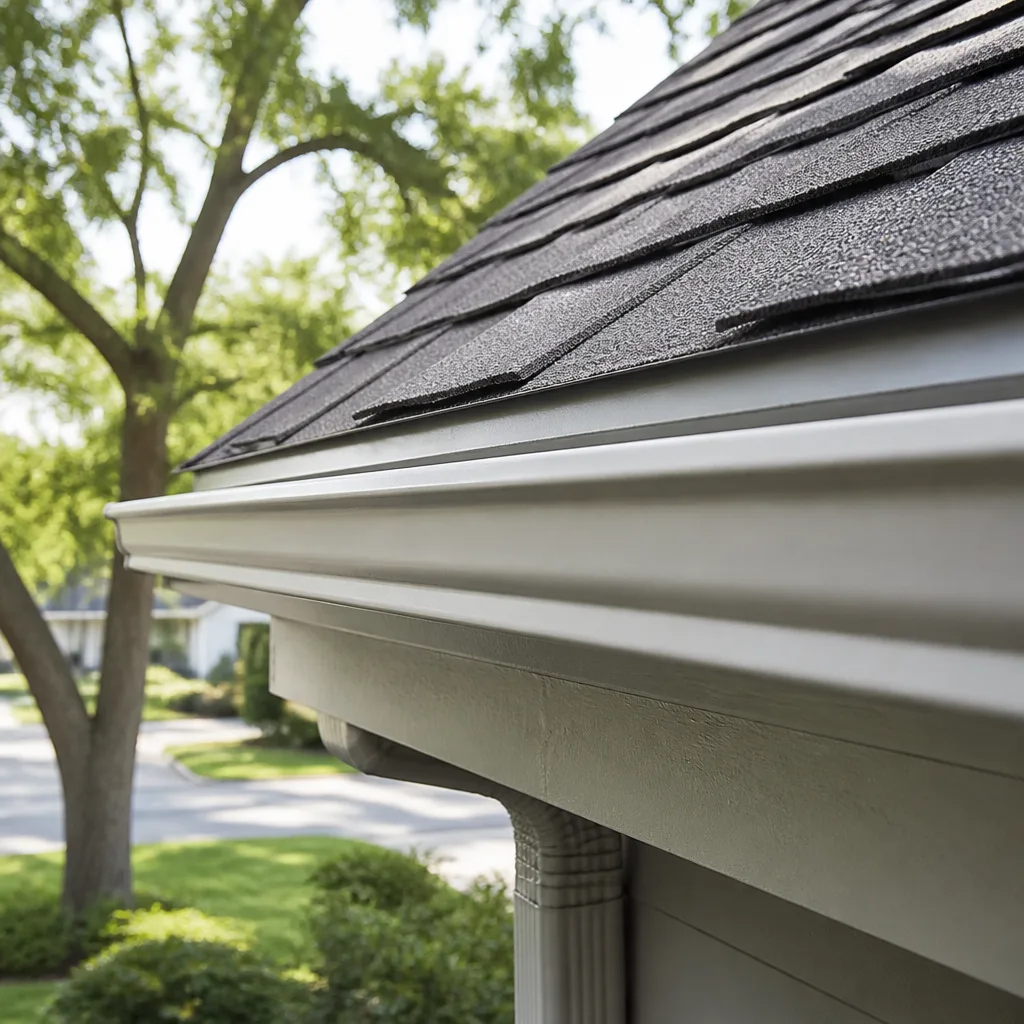
Gutters aren’t a separate home maintenance item from the roof. They’re the roof’s drainage system, and when they fail the damage lands on the roof’s substrate – the decking, the underlayment, the fascia and soffit. Every manufacturer’s warranty language treats drainage as part of the roofing system. Homeowners who treat gutters as a yard chore are protecting the wrong thing.
What drainage actually protects:
- Roof decking and underlayment: Water that can’t move off the roof edge backs up at the eaves and finds its way under the roofing material. Once it’s beneath the top layer, the substrate starts to fail.
- Fascia and soffit: Clogged gutters overflow at the edges, and the wood behind them absorbs moisture. This isn’t roofing material failure, but it’s roofing system failure, and it’s a common claim-denial trigger.
- Valleys: Debris accumulates in roof valleys faster than anywhere else, and a valley that doesn’t drain becomes the first place moss takes hold.
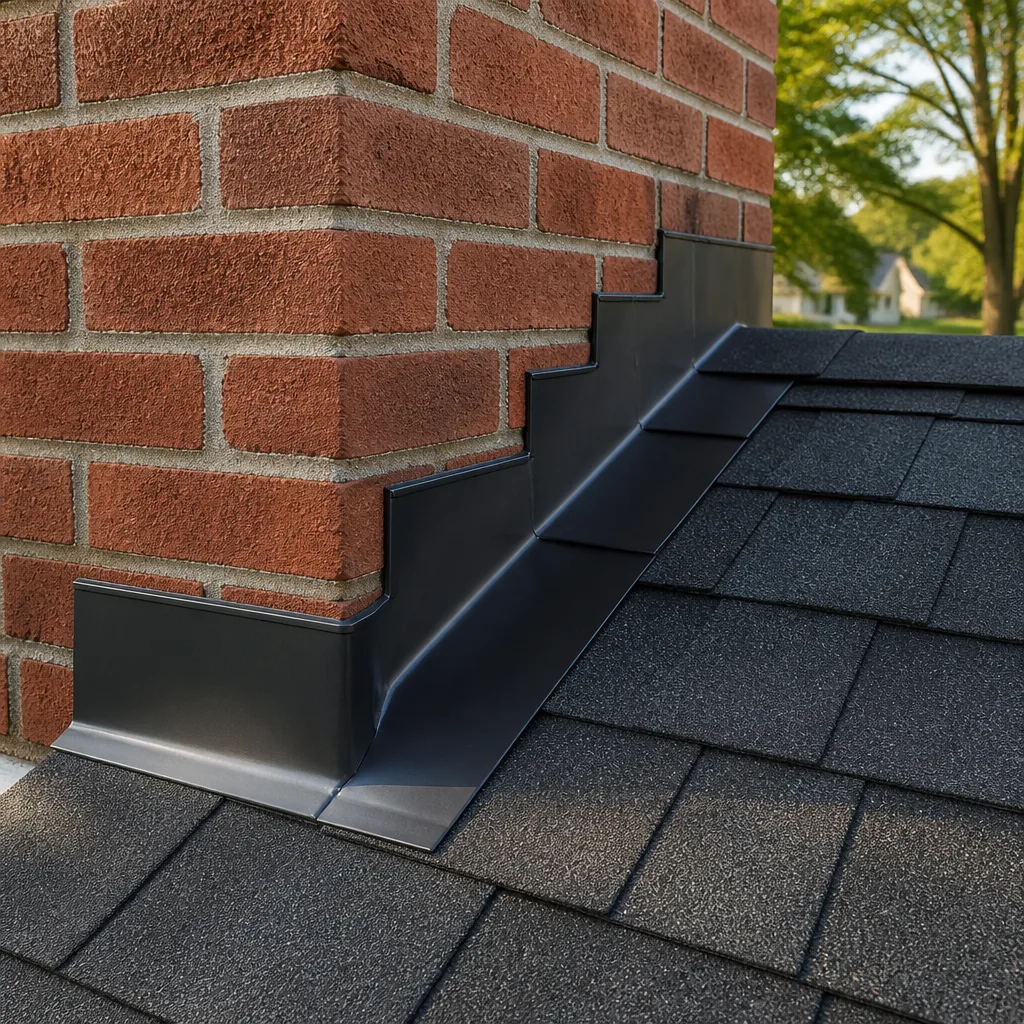
- Penetrations: Behind chimneys, around skylights, and at pipe boots, debris catches against the flashing. When water pools there instead of moving, the flashing itself gets blamed for failures it wasn’t designed to prevent.
For a homeowner in Kent, this means clearing gutters is a roof maintenance task. Twice in fall, once in spring, and after any storm that visibly deposits material on the roof. Downspout discharge matters too – water that dumps directly against the foundation is a problem even if the roof itself is fine.
We don’t install gutters. Our scope is roofing, full stop. But we’ve seen enough warranty disputes to know that drainage neglect is where the most avoidable claims get denied, and we’ll always flag it in a free inspection.
Which Maintenance Tasks Differ by Material: Shingle vs. Metal vs. Tile
Shingle, tile, and metal roofs share the maintenance fundamentals – clear debris, keep drainage open, address moss – but each material has its own protocol. Knowing which applies to your roof is the core of any real maintenance checklist.
Shingle Roofs
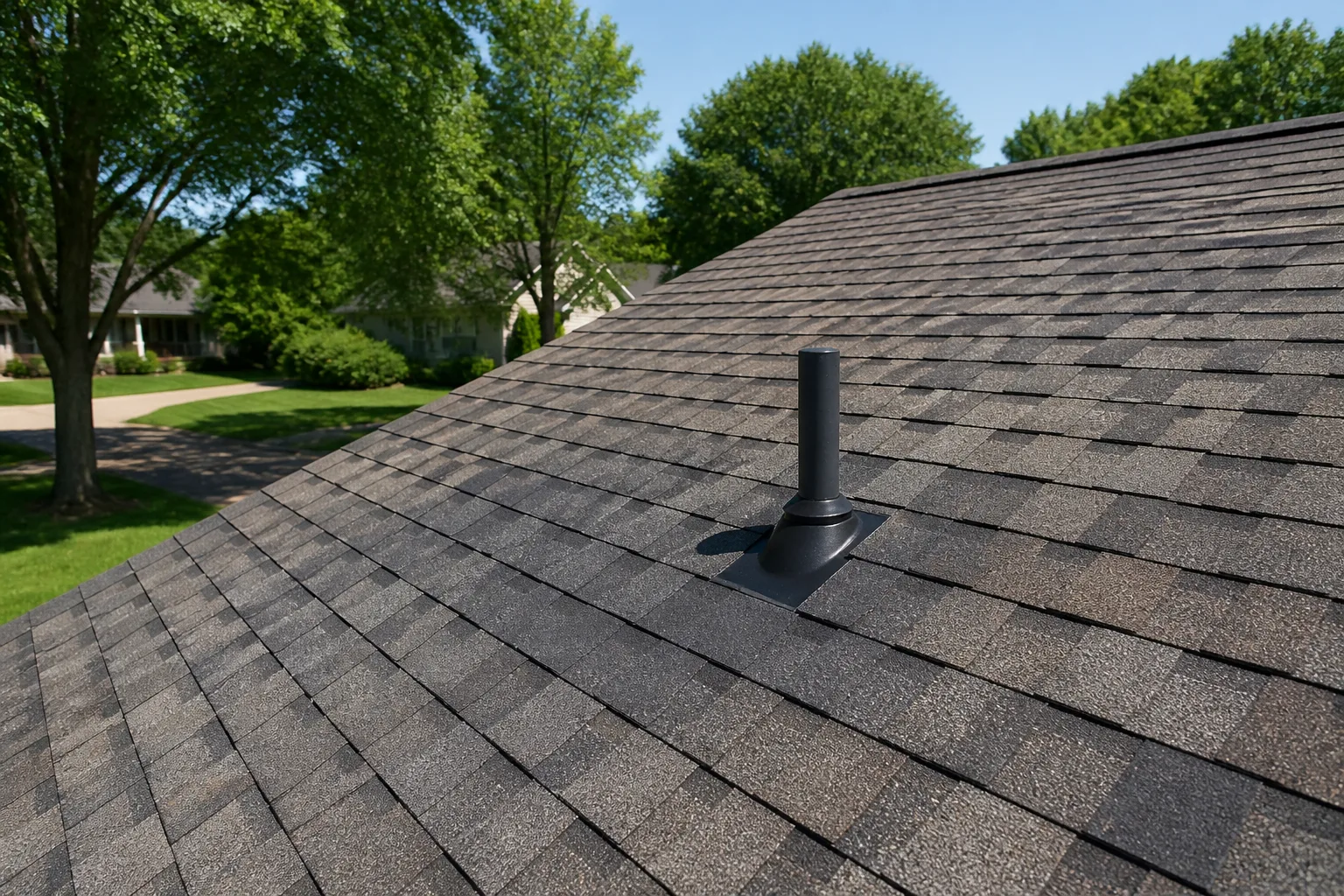
Asphalt shingle is the most common residential system and the most maintenance-sensitive to moss. Granule loss is normal and expected over the life of the roof, but accelerated loss in shaded areas is a sign that moss has been holding moisture against the shingle surface. Moss should be addressed with gentle removal – never pressure washing, which strips granules and can void a warranty claim outright. Address any moss in early spring before it spreads. Installations using shingle roofing from GAF, CertainTeed, Owens Corning, IKO, Atlas, or Tamko carry similar maintenance expectations but vary in how much moss tolerance the warranty language allows.
Metal Roofs
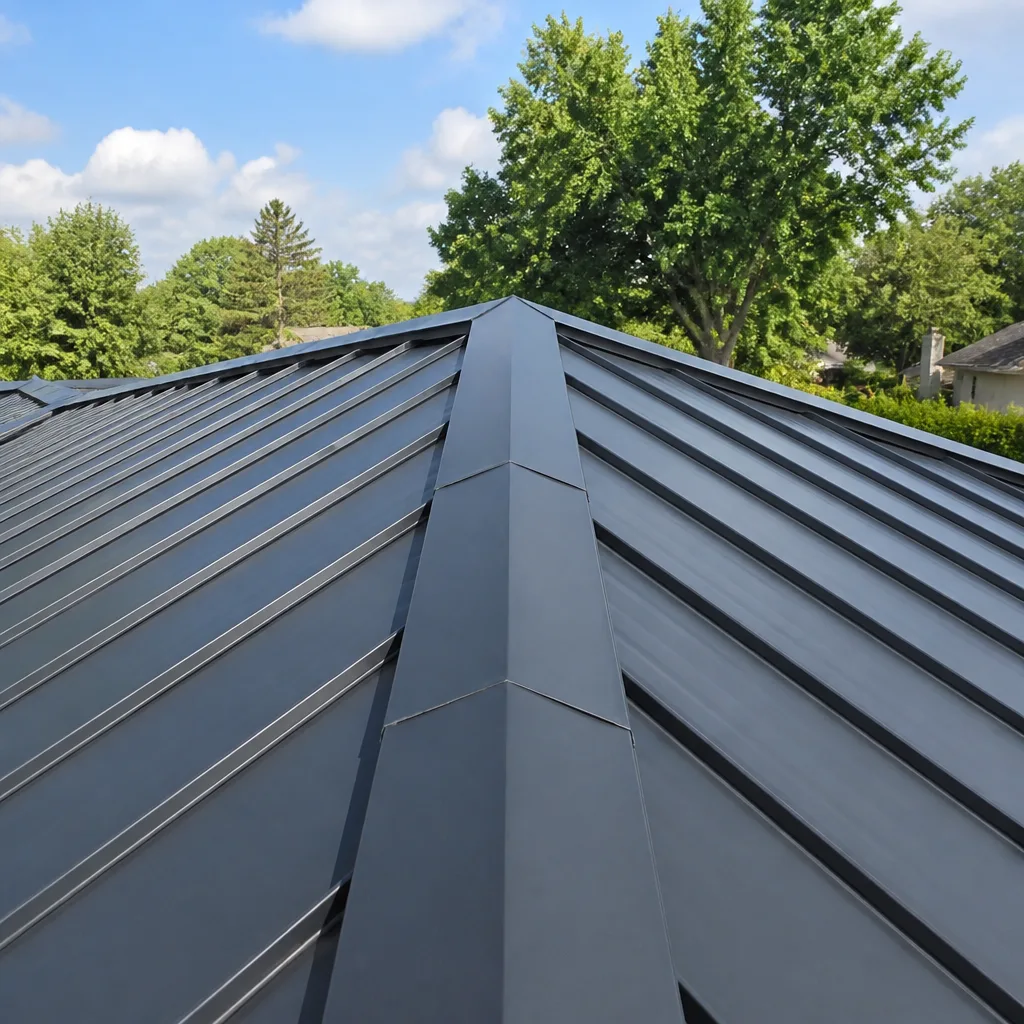
Metal roofing has the lowest routine maintenance burden of the three, but “low” isn’t “none.” Metal roofs shed debris easily, which makes them a good fit for Kent’s tree cover, but standing debris behind ridges, at penetrations, and in valleys still holds moisture. Fasteners and sealant at penetrations need a periodic check because the metal itself may last but the fasteners can be the weak point. Metal roofs generally don’t have the moss problem shingle roofs do, which is worth considering on a heavily shaded property.
Tile Roofs
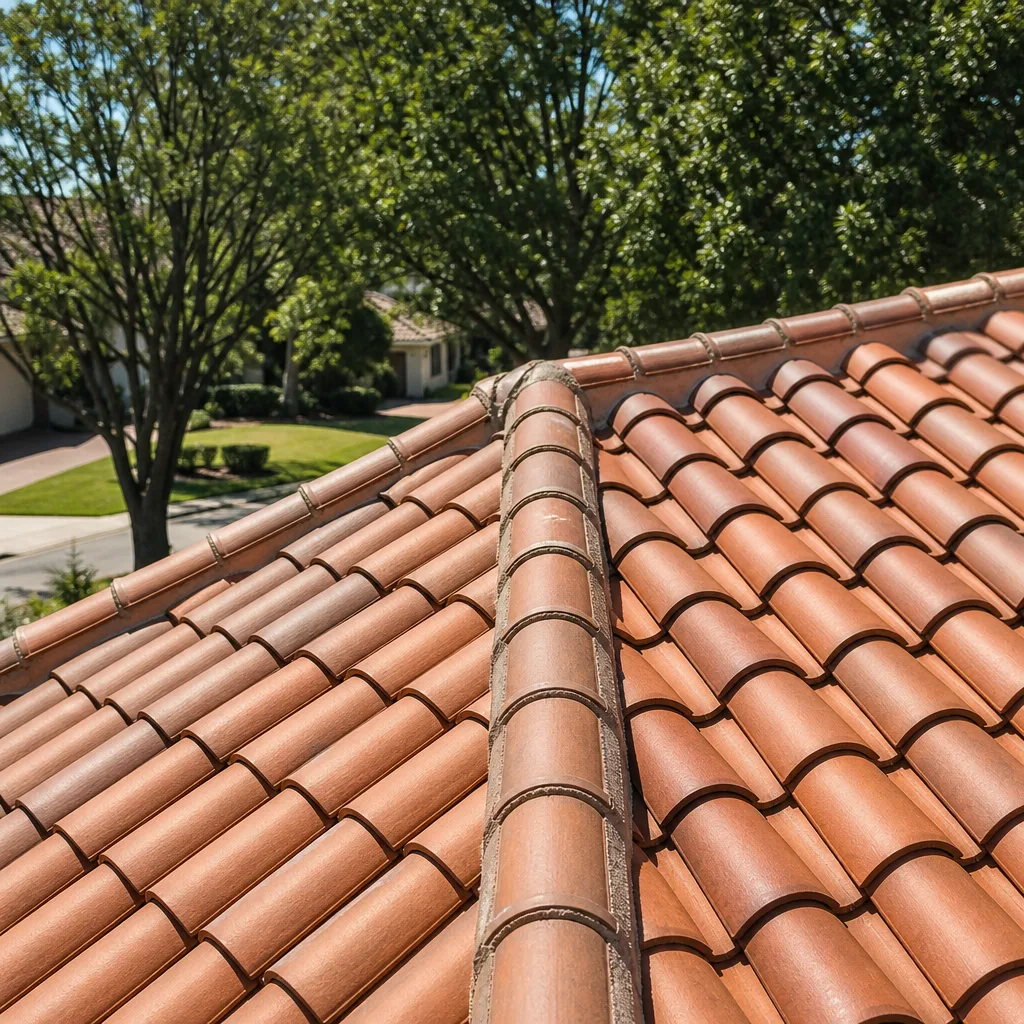
Tile is durable and long-lived, but it’s a fragile material during maintenance. Walking on tile incorrectly cracks it, so most maintenance on a tile roof should be inspection and debris clearing from the eaves, not foot traffic across the field. Boral tile systems are installed with the expectation that the tile itself lasts decades, but the underlayment beneath the tile has its own service life. Tile roof maintenance is really about checking that underlayment and confirming the tile field stays intact through freeze-thaw and storm cycles. A crack from foot traffic is an expensive mistake.
For any material, the safe answer on inspection is the same: get a professional on the roof and stay off it yourself. Roof surfaces are deceptively dangerous, and maintenance doesn’t require a homeowner on the ladder.
What the First Five Years Actually Decide
The first five years of a new roof are when the relationship between homeowner and manufacturer gets established. Not at year twenty. Not at year thirty. In the first five.
If a homeowner has inspections at 30 days, one year, and five years on record, with dated photos and written maintenance logs behind every debris clearing and moss treatment, the warranty stands on solid ground. If the same homeowner has been on the roof once in five years and can’t say when the gutters were last cleared, warranty coverage becomes a negotiation with a manufacturer’s claims department that holds all the cards.
This matters for roof replacement in Kent because the region’s debris and moss loads accelerate the typical failure timeline for passive roofs. A roof that gets the same treatment as one in a dry, low-tree environment won’t fail in the same window. The maintenance schedule isn’t about looking after the roof. It’s about whether the roof, and the warranty, actually deliver what was paid for.
For homeowners planning a new installation, this checklist is easier to execute from day one. A new roof installation through Kent Roofing Co comes with a written warranty clause review – we sit down with the actual manufacturer documentation and walk through what it requires. That’s part of choosing a system, not an upsell after the fact.
Common Mistakes to Avoid
- Skipping the 30-day inspection. New roofs rarely fail on day one, but installation issues surface in the first month and are almost free to fix then. At year three, the same issue is a repair with a question attached about who’s responsible.
- Pressure washing moss off a shingle roof. It strips granules and does more damage than the moss. Moss removal needs to be gentle and material-appropriate.
- Treating gutters as a separate chore. Clogged drainage is the most common cause of warranty claims getting denied, and it’s the task homeowners delegate most readily to a yard service that has no stake in the warranty.
- Clearing gutters once in fall. In Kent, once is not enough. The heaviest leaf load often comes after the first clearing.
- No written maintenance record. A homeowner can maintain everything correctly and still lose a warranty claim because nothing was documented. The record is part of the maintenance.
- Walking on a tile roof to check on debris. Cracks from foot traffic are a real and recurring cost. Tile maintenance is a professional task for anything beyond a visual check from the ground.
- Ignoring moss that appears in the first two years. Early moss is the cheapest moss to address. Left for three or four seasons, the same growth has started working into the roofing material.
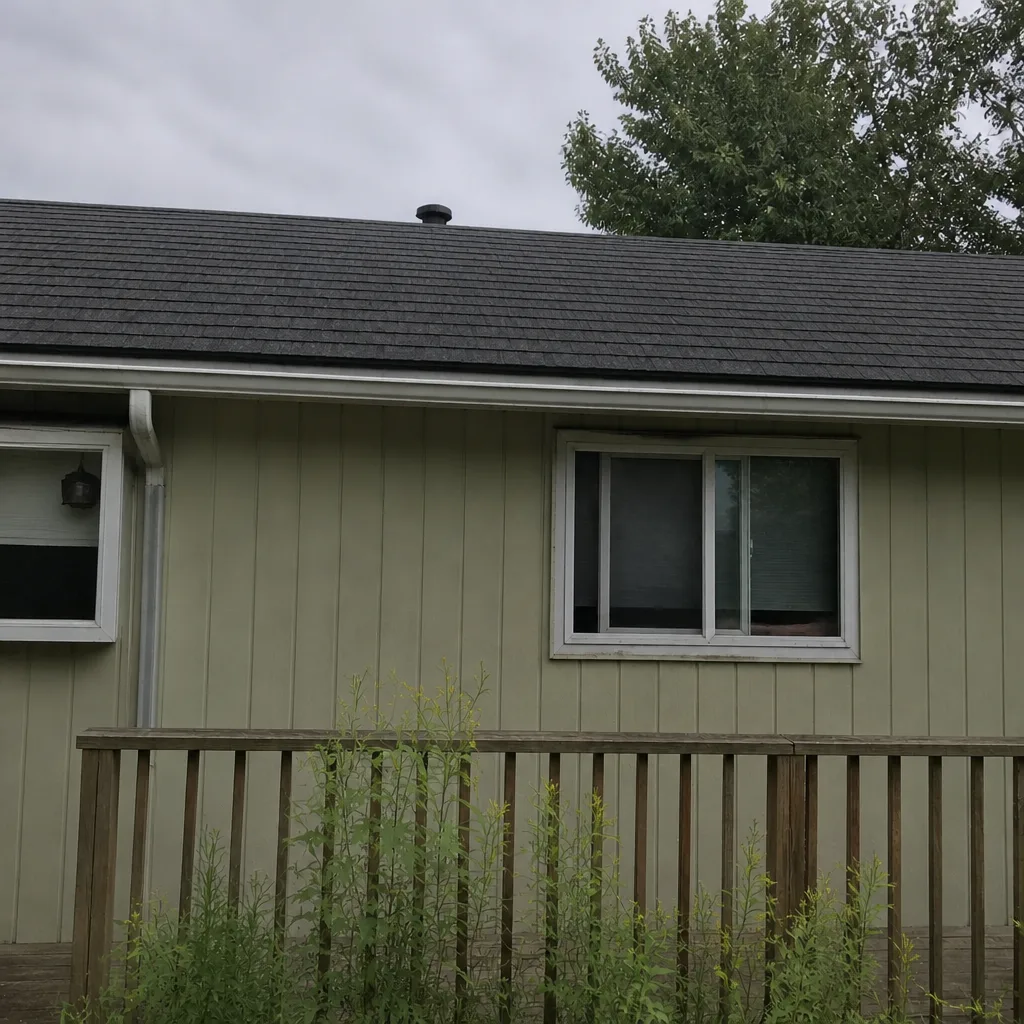
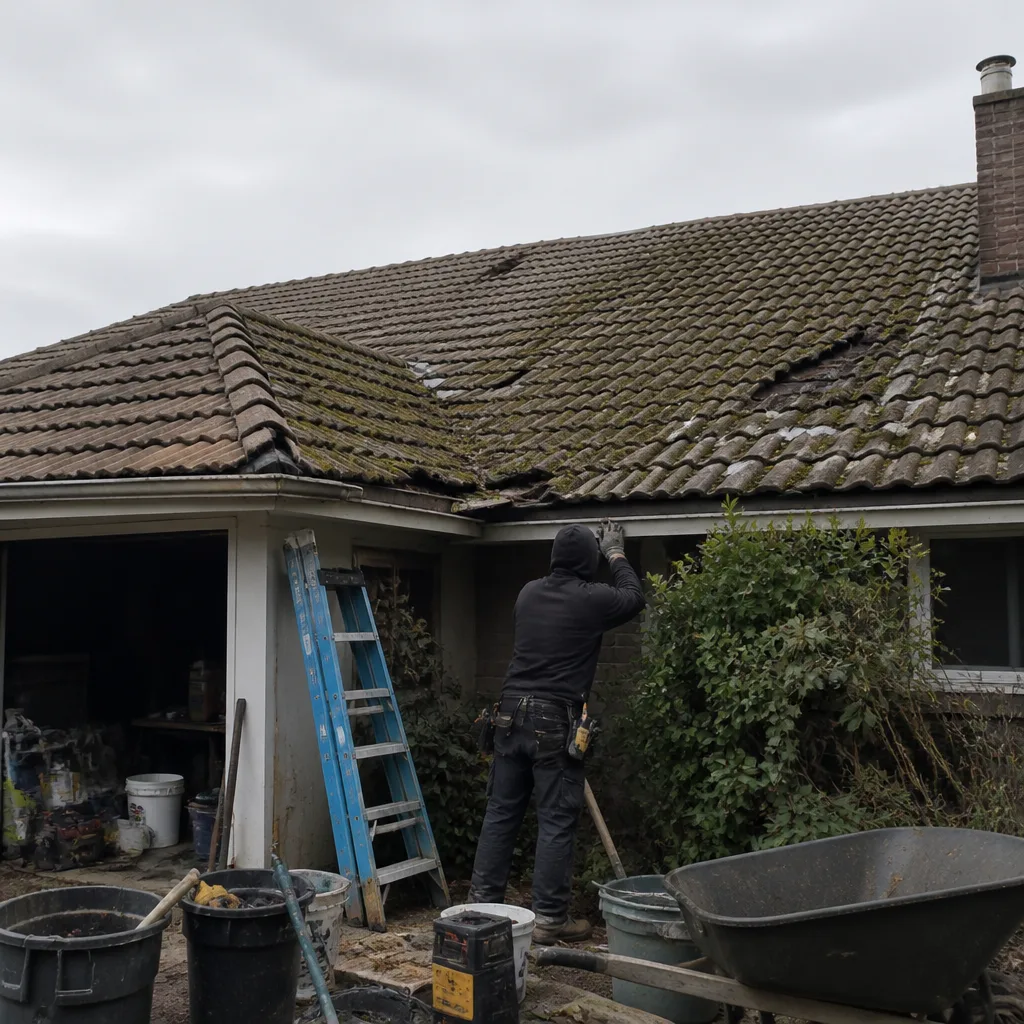
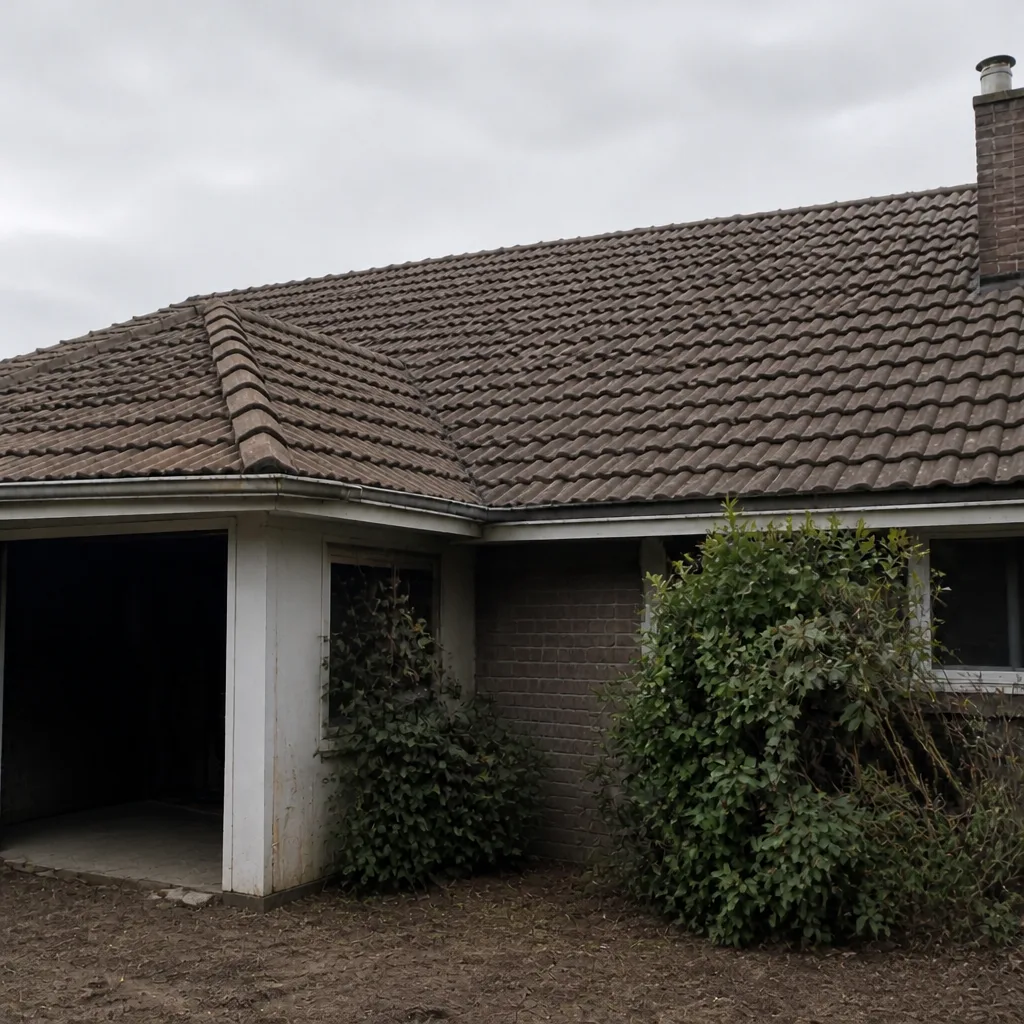
See the difference
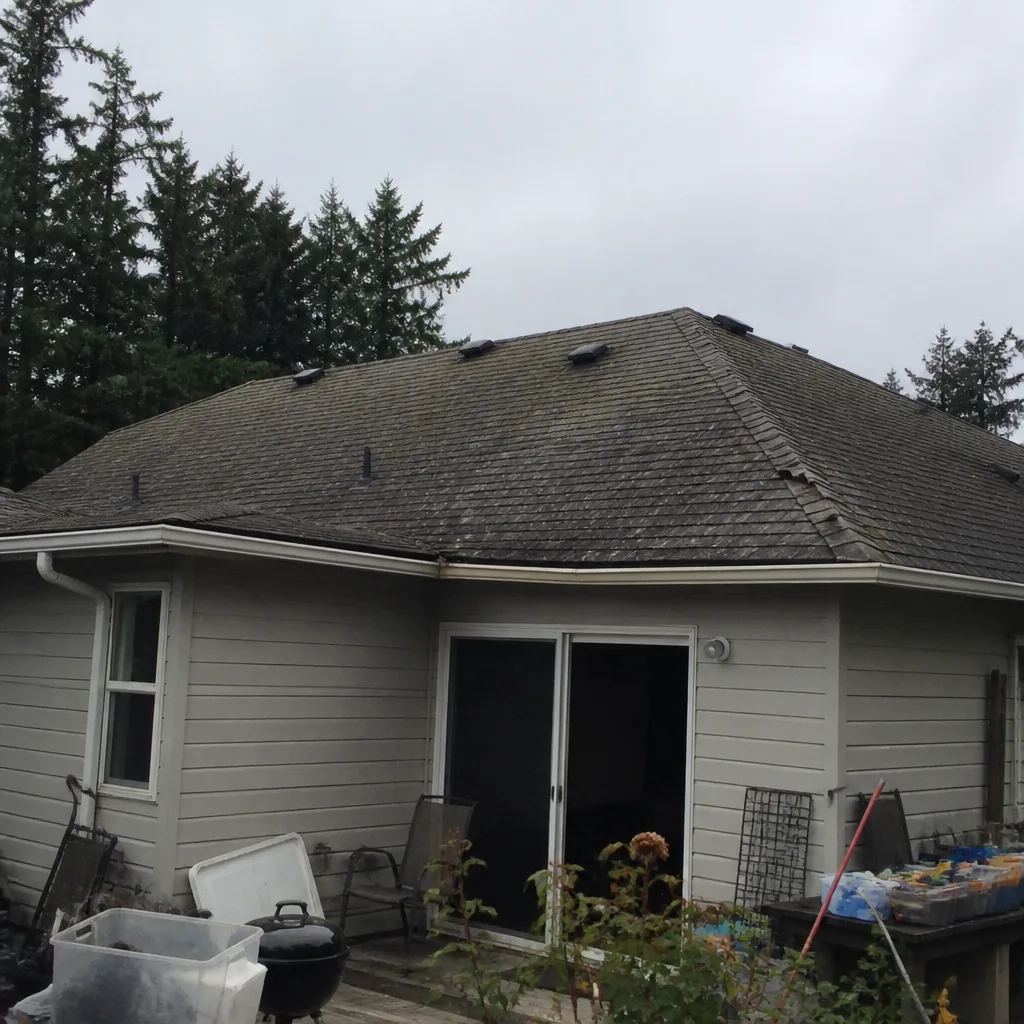 Before
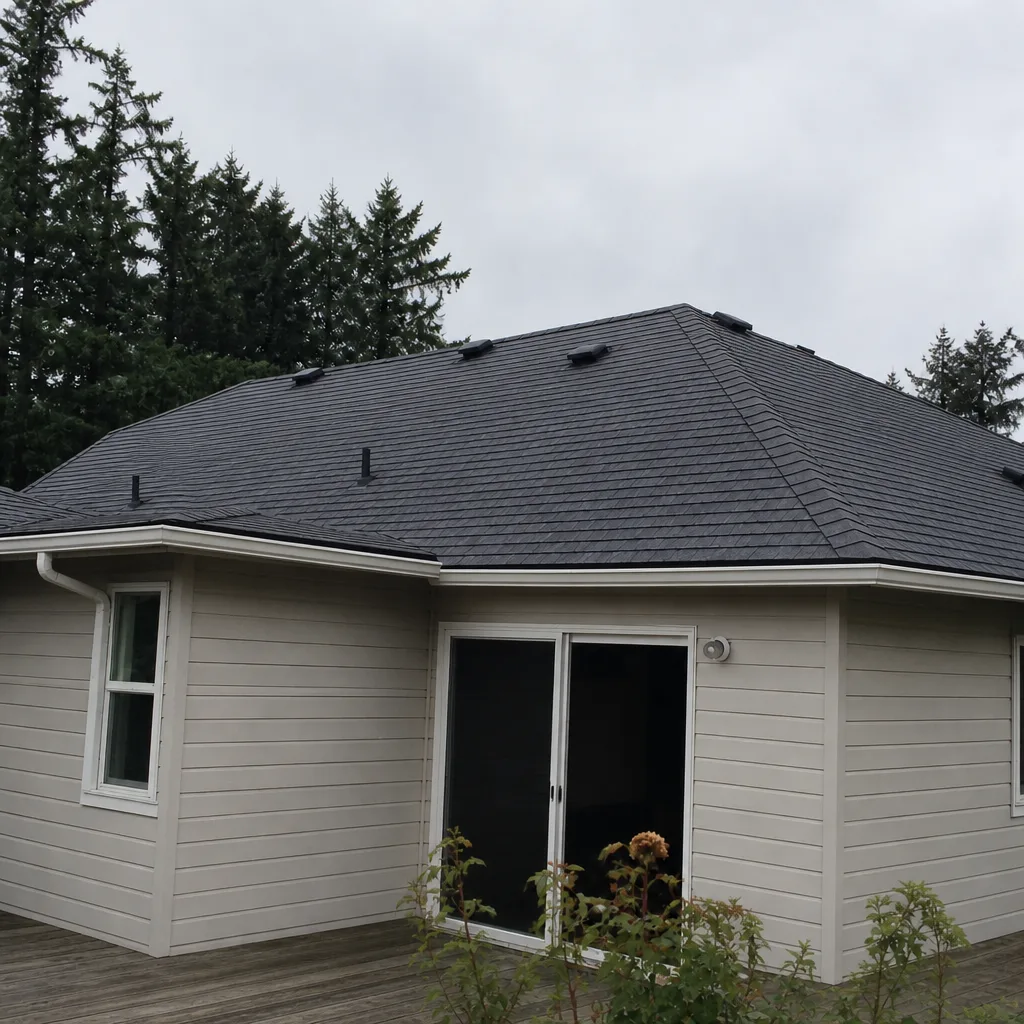 After
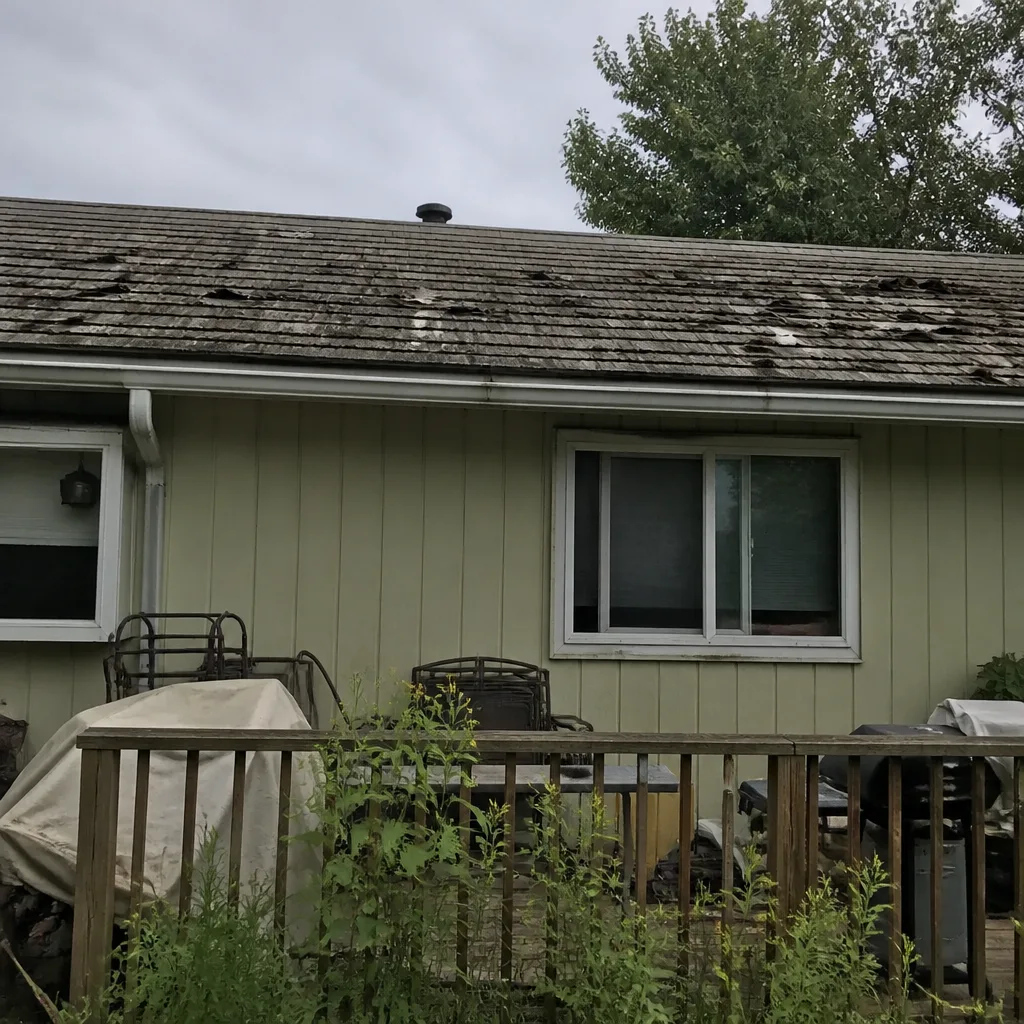 Before
 After
 Before
 After
When to Call a Professional
Any visible damage to the roofing material, standing water in a valley or at the eaves, displaced flashing after a storm, or any moss growth on a shingle roof is a call worth making. Walking a roof yourself to inspect these things is where most homeowner maintenance injuries happen. Any concern about flashing at a chimney or skylight should also go to a professional – the diagnostic work never improves with a homeowner on a ladder.
Scheduling a routine inspection at the 30-day, one-year, and five-year checkpoints is the other call worth making. Kent Roofing Co offers free estimates in Kent – call (253) 270-0797. We answer 24/7. Fast dispatch from 7am to 7pm, Sunday through Friday.
Frequently Asked Questions
It can. Most manufacturer-backed product warranties include a maintenance clause, and failure to keep debris cleared, drainage open, and moss controlled gives the manufacturer grounds to deny a claim even on a young roof. Call (253) 270-0797 for a free estimate on a warranty-safe maintenance plan if you’re unsure what your specific warranty requires.
At minimum three times in the first five years – roughly 30 days after installation, at one year, and at five years – plus a visual check after major storms. Kent’s heavy fall debris and aggressive spring moss cycles mean an annual professional inspection outside those milestones is a reasonable habit. Call (253) 270-0797 to schedule one.
Yes, though less than shingle. Metal sheds debris easily and doesn’t have the moss problem shingle roofs do, but fasteners and sealant at penetrations still need periodic checking and debris behind ridges needs clearing. Call (253) 270-0797 for a free estimate if you’re weighing metal against another material.
Dated entries, plain-language descriptions of what was done, and before-and-after photos of each area. Keep the maintenance log, warranty documents, and installation photos in one place. Manufacturers don’t deny claims because maintenance wasn’t done – they deny them because a homeowner can’t prove it was. Call (253) 270-0797 for guidance on what your warranty specifically expects.
Yes, but it needs to be done gently. Pressure washing strips granules and can void a warranty claim outright. Removal should be material-appropriate and timed to early spring before the growth spreads. Call (253) 270-0797 for a free estimate on moss treatment.
Metal, generally, because it sheds debris without accumulating it and doesn’t host moss the way shingle roofs do. Tile has its own advantages but requires professional handling to avoid cracking. The right choice depends on the home’s shade exposure, budget, and architectural style – not a single default. Call (253) 270-0797 for a free estimate and a walkthrough of the tradeoffs.
The Bottom Line
A roof replacement is a 20-50 year decision, and the warranty that protects it depends on maintenance most homeowners never plan for. Three inspection milestones in the first five years, a maintenance calendar built around Kent’s fall debris and spring moss cycles, a written record that satisfies a manufacturer’s clause, and material-specific protocols for shingle, metal, or tile – that’s the real checklist. The roof doesn’t need vigilance. It needs a scheduled routine and a paper trail. Call (253) 270-0797 for a free estimate. We answer 24/7. Fast dispatch from 7am to 7pm, Sunday through Friday.
Written by the team at Kent Roofing Co.