
Last updated November 25, 2026


Free roof inspection with deck photos before we talk money - GAF and Owens Corning certified installation
Roofing Warning Signs: A Kent Homeowner’s Reference Guide
The call most homeowners dread isn’t the one about a leak. It’s the one that comes two winters after the leak started, when the answer is a full replacement instead of a targeted repair. Water stains on a ceiling are a trailing indicator: by the time a brown ring appears, moisture has often been working on the roof deck for a while. The signals that matter most show up years earlier, and they’re mostly visible from the ground or the attic. This guide walks through the intermediate roofing warning signs Kent homeowners can catch in time to plan, budget, and choose materials deliberately rather than under pressure.
Quick Answer
The most reliable early roof warning signs in Kent are granule loss in gutters and at downspout outlets, dark streaking on north-facing slopes, moss concentrating on shaded sections, lifted or cracked sealant at flashing points, and attic-side clues like condensation, daylight at the roof line, and matted insulation. Any one of these is a prompt to get the roof looked at, not an automatic replacement. Two or more together usually mean the system is losing components of its weather protection faster than its age suggests.
Styles & brands we work with
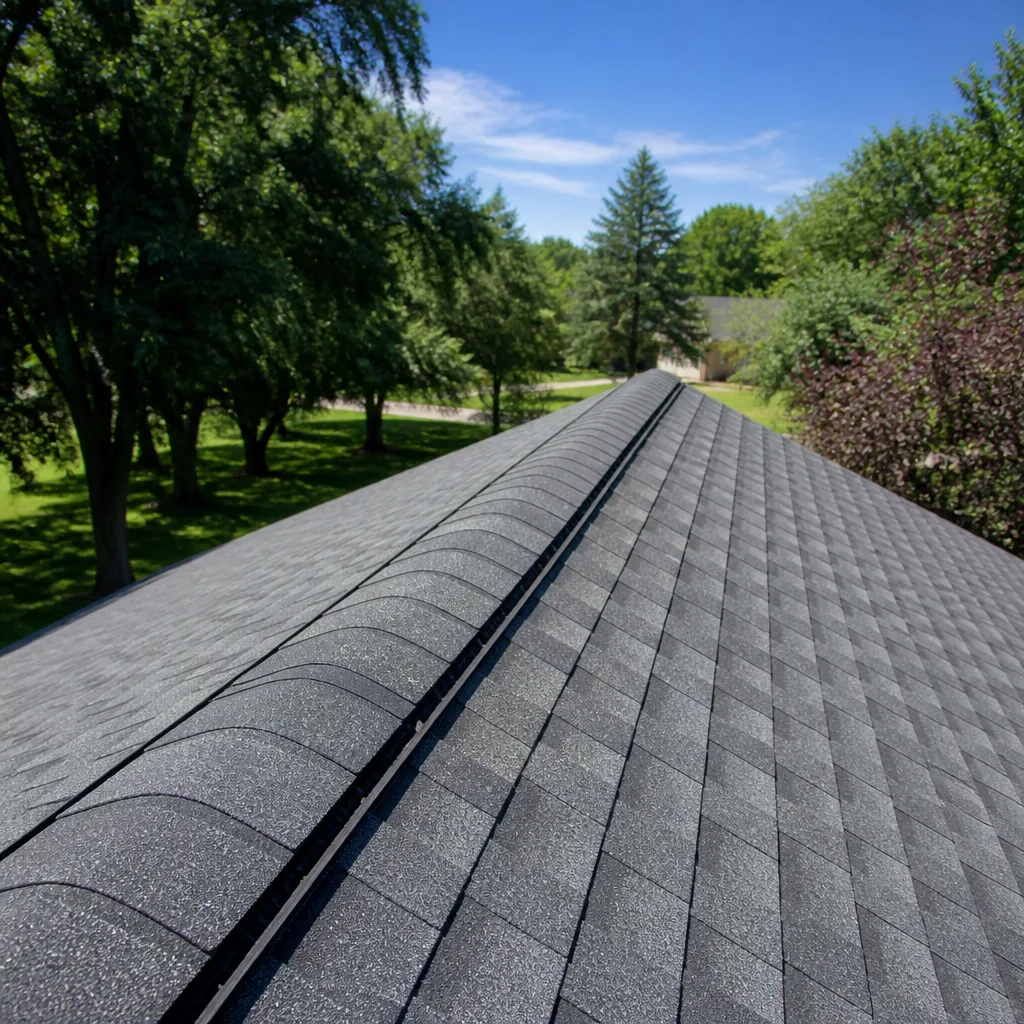
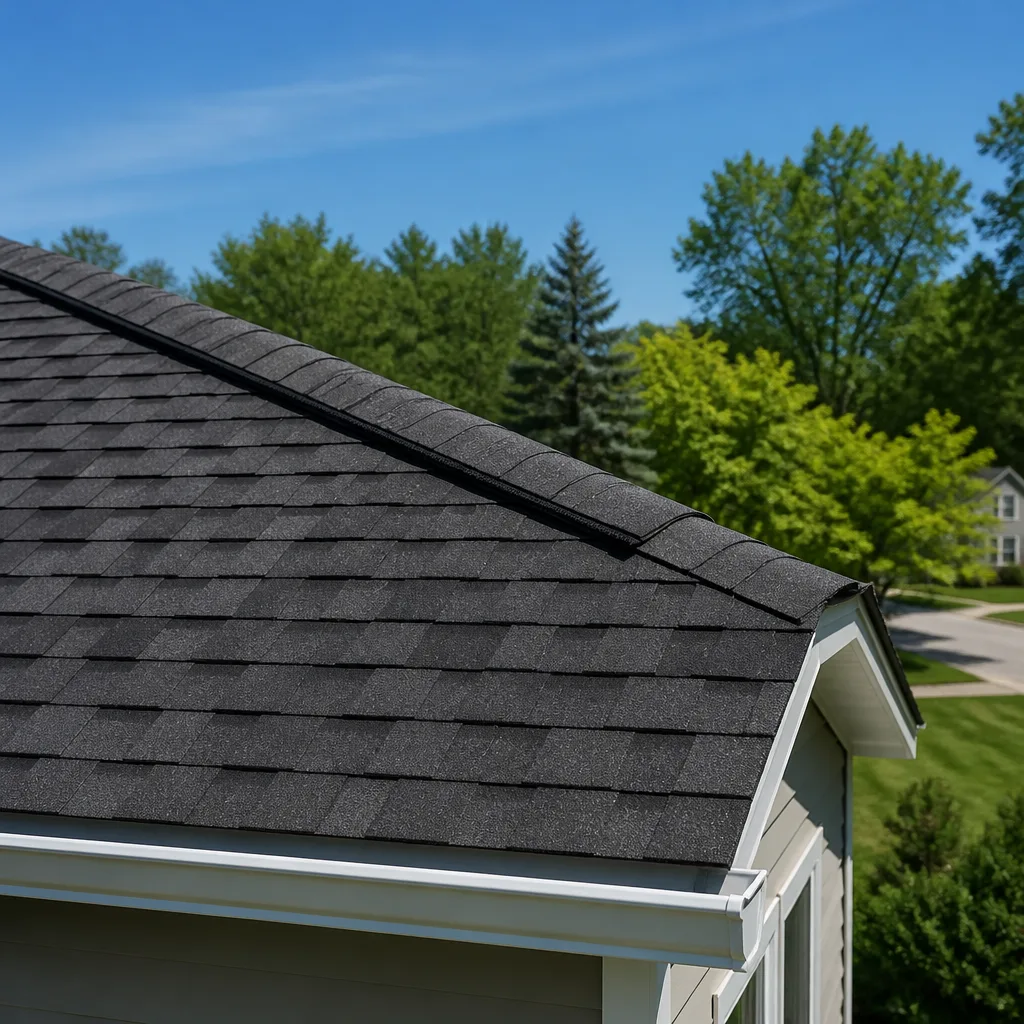
- Architectural shingles
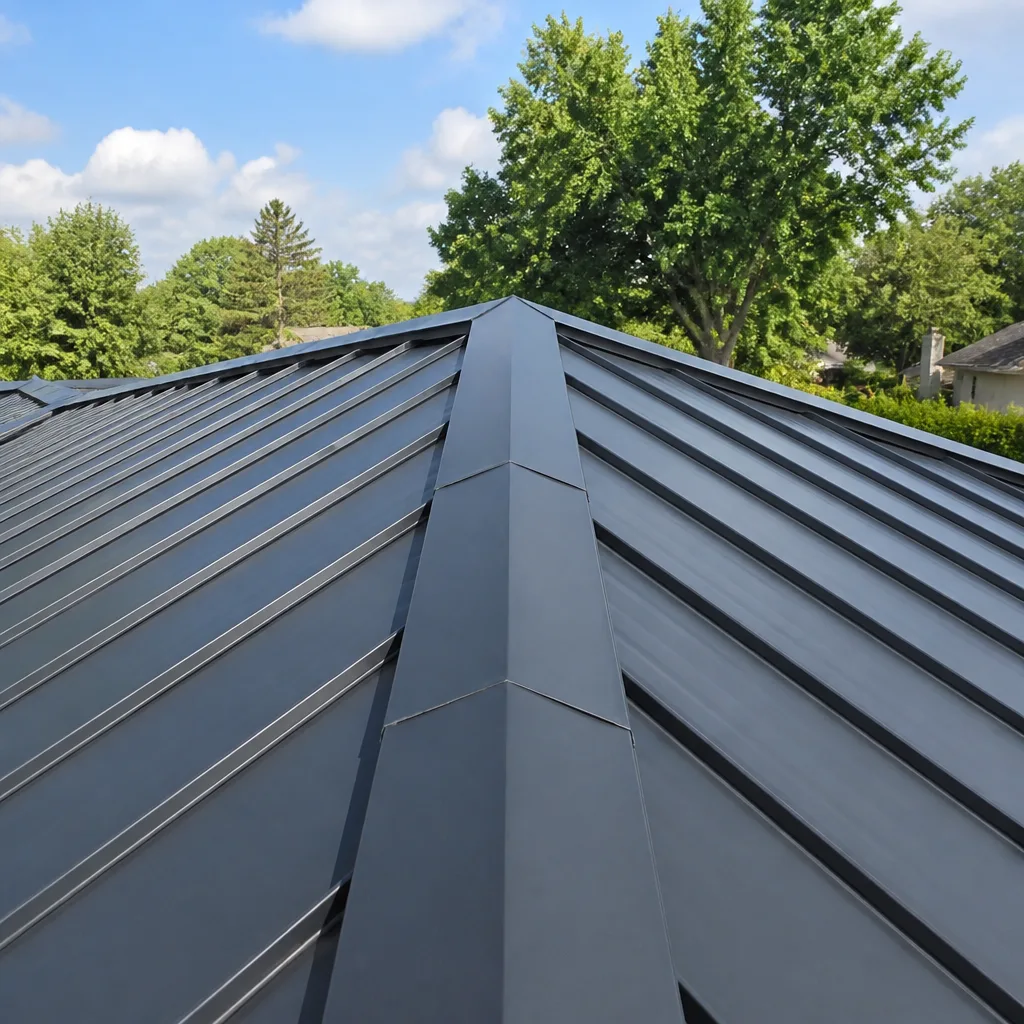
- Metal roofing
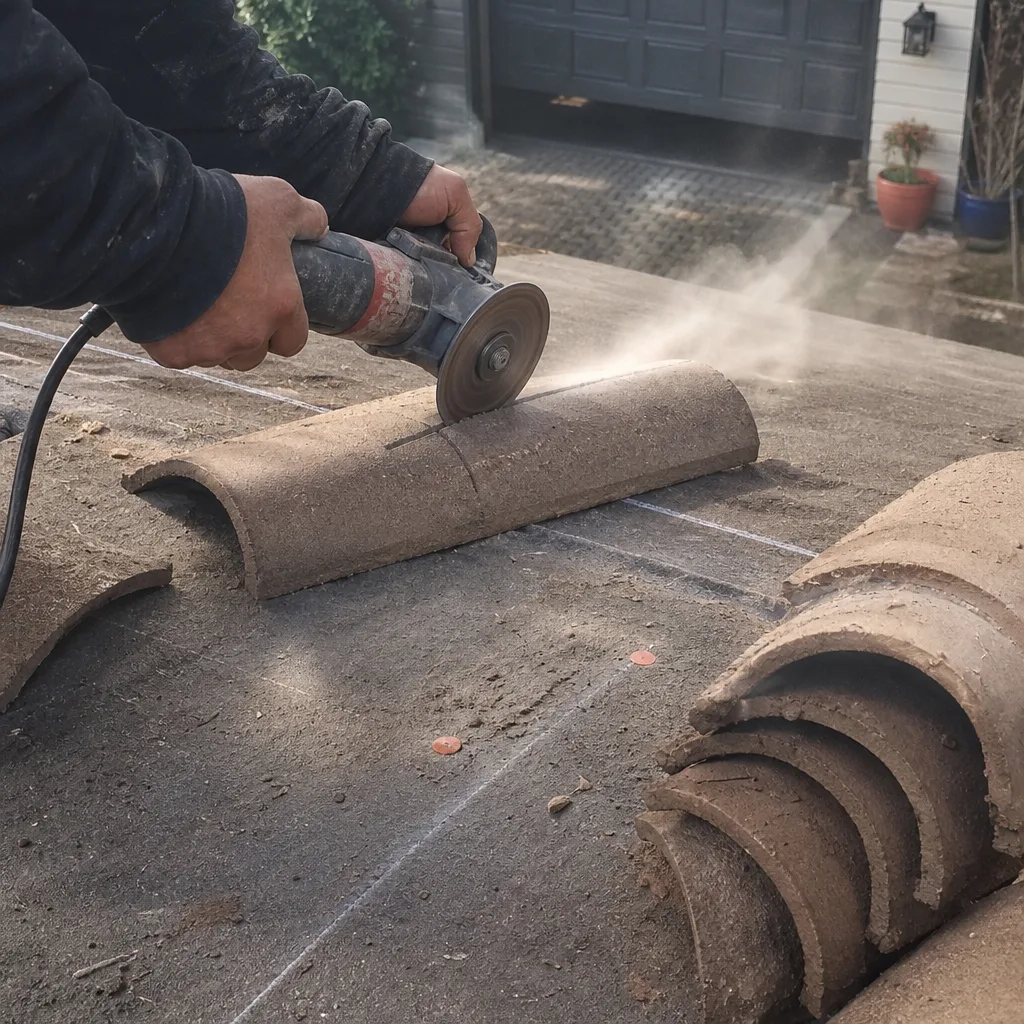
- Tile roofing
- GAF
- Owens Corning
- Flat & low-slope
Table of Contents
- Leading vs. Trailing Indicators: What Actually Tells You First
- Granule Loss: Reading the Pattern Before You Blame the Shingles
- Moss, Shade, and What It’s Telling You About Moisture Underneath
- Flashing Failure: The Inspection Points Most Kent Homes Miss
- Normal Aging vs. Premature Failure Caused by Ventilation
- Attic Clues You Can Check Without Getting on the Roof
- How Shingle, Tile, and Metal Age Differently in Kent’s Climate
- A Warning-Sign Log: Separating Urgent From Plan-Ahead
Leading vs. Trailing Indicators: What Actually Tells You First
A roof doesn’t fail in one event. It fails in stages, and each stage has its own evidence. Homeowners tend to notice the last stage only: water inside. The earlier stages are quieter but just as readable if you know where to look.
Think of roof condition in three layers. The outermost layer is the surface, where granules, coatings, and sealant weather first. The middle layer is the flashing and edge metal that route water around interrupts. The inner layer is the deck and attic, which only shows trouble once water has already gotten past the first two. Warning signs cluster in the outer two layers. Damage is confirmed in the inner one.
For Kent homes, that layering matters more than it might elsewhere. Between the wet stretches of late fall and early spring, roofs here sit wet for long periods and then dry fast in summer. Water that gets behind a shingle or under a flashing lap has time to soak into the deck, because the deck isn’t getting a quick drying cycle in between. That’s why catching surface and flashing problems early carries more weight here than the calendar says it should.
What follows is a working reference for the leading signs. Each section covers one category: what to look for, what it usually means, and how to tell a cosmetic issue from a structural one. Our technicians have up to 13 years of experience looking at roofs of every material type, and the pattern that holds across all of them is this: the earlier a sign is logged, the more options you keep. A homeowner who catches a flashing problem in spring is choosing a material for a planned replacement in fall. A homeowner who catches a stain in winter is calling a contractor during the busiest storm week of the year.
Granule Loss: Reading the Pattern Before You Blame the Shingles
Granules are the mineral layer on top of an asphalt shingle. They protect the asphalt from ultraviolet light, which is the real cause of shingle aging. When granules come off, the asphalt is exposed, and from that point it hardens, cracks, and loses the ability to shed water. Some granule loss is normal from the day a new roof is installed, particularly on the first rain after installation. The pattern of loss is what tells you which of three things is happening.
Pattern 1: Uniform, Slow Loss
If you find a light scatter of granules in the gutter troughs and at the bottom of downspouts after heavy rain, that’s normal aging. It’s spread across all slopes, matches the age of the roof, and shows no concentration in one area. Nothing to act on yet. Log it and recheck after the next wet season.
Pattern 2: Concentrated Loss on Specific Slopes
If one slope loses noticeably more granules than the others, especially the south- or west-facing slope, that’s a sign that slope is receiving more sun exposure than its neighbors. Ultraviolet degradation is progressing faster there. On a Kent roof, this is a common pattern on the front slope, which often faces the street and takes the afternoon sun while the back slope sits in shade. Expect that slope to reach end of life first.
Pattern 3: Patchy Loss or Bald Spots
If granules are missing in irregular blotches rather than in a slope-wide or surface-wide pattern, look at the installation. Bald patches near the bottom edge of a course, or peeling at the shingle’s edges, can point to a mechanical problem: a nail set too deep, a shingle that didn’t seal down properly, or a course that wasn’t laid with the correct exposure. That’s not wear; that’s a defect, and it’s better documented soon after installation while it’s still traceable to the roof’s condition.
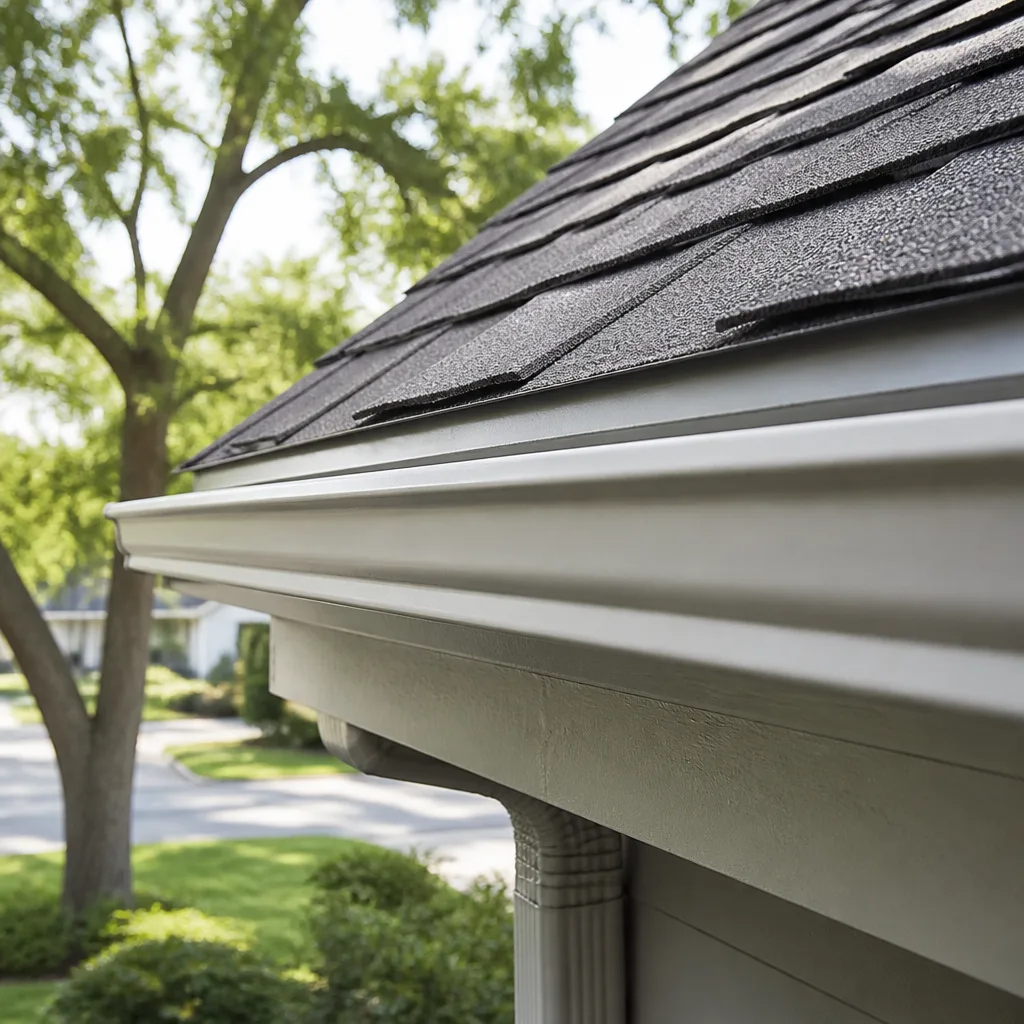
In all three cases, granules are best checked on the ground. Look at the base of the downspouts after a good rain, and check the gutters if you can do so safely. A roofing system from a manufacturer such as GAF or CertainTeed is engineered around a specific granule grade and coverage; when the roof is installed correctly, that protection is designed to last the full life of the shingle. When it doesn’t, the pattern tells you why. For a full look at what underlies a shingle roof replacement, see our page on shingle roofing.
Moss, Shade, and What It’s Telling You About Moisture Underneath
Moss on a roof isn’t a cosmetic problem, and it isn’t evenly distributed. That unevenness is the diagnostic tool. Moss needs constant moisture and shade to establish. If it’s growing on one section of a Kent roof and not the others, something specific is keeping that section wet.
Common causes, in order of how often they show up:
- Trees shading one side of the roof. This is the most common cause. A section that stays shaded for most of the day holds moisture longer after rain, and moss colonizes it first. Pruning back overhanging limbs shortens the wet cycle over time, but it doesn’t undo the moss.
- Trapped debris in a valley or behind a chimney. If moss is growing in a valley or at the base of a chimney, leaf litter is probably accumulating there, holding water against the shingles and starting the moss colony.
- Poor drainage off a specific slope. If a slope doesn’t drain well, moss may grow in horizontal bands rather than patches. This points to granules or debris lifting shingle edges slightly and slowing the sheet flow of water.
- Condensation under the deck. If moss grows in a spot that doesn’t get shade from trees, ask whether moisture is coming up from the attic. That’s the ventilation question in the next section.
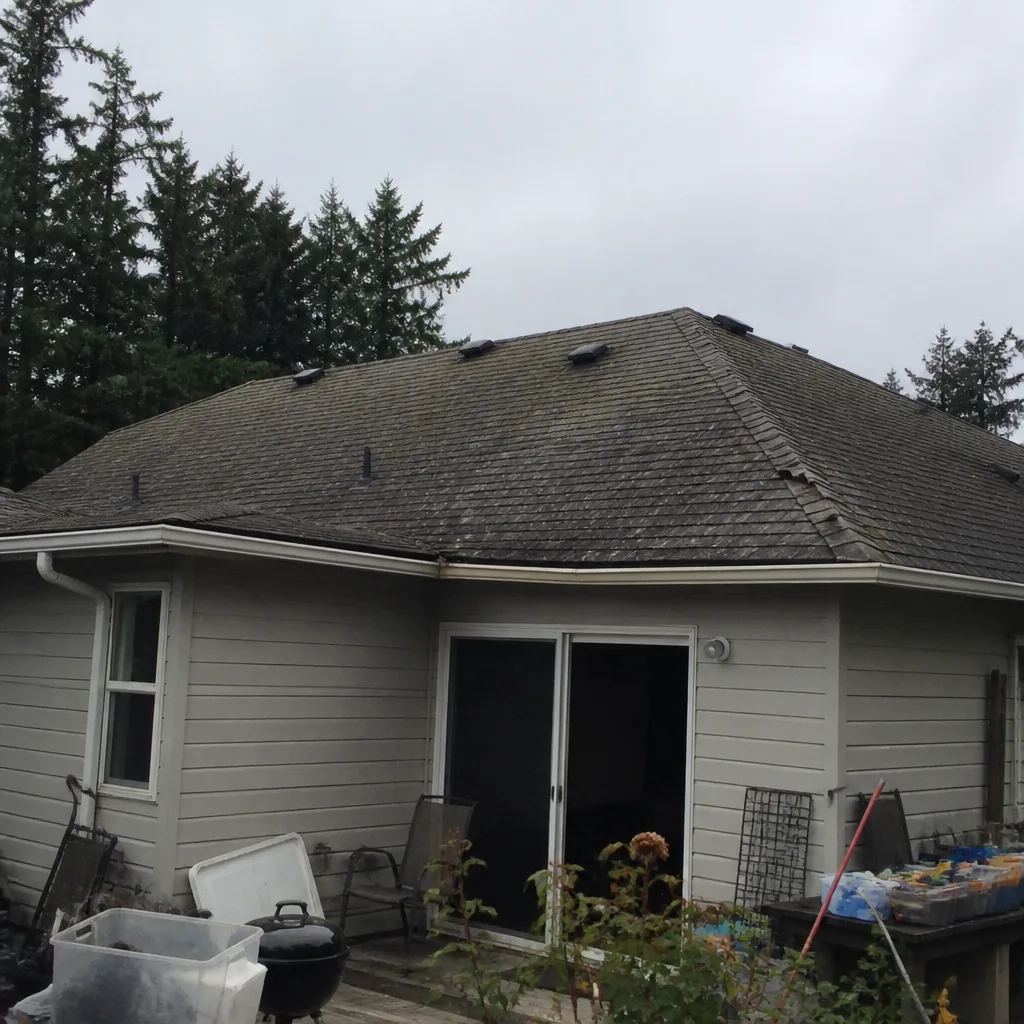
What moss does beneath itself is more important than the green surface. Moss holds water against the shingles, which prevents drying, and its root-like structures lift the gaps between shingle courses. Once that happens, the shingle layer is no longer sealing. So moss on a Kent roof is best treated as a clue, not just a chore: it points to a specific wet spot, and that wet spot is where shingle failure will appear first.
The fix depends on whether the moss is surface-only or has already lifted the shingles. Surface moss can often be removed without disturbing the shingle; moss that has lifted courses is usually a sign the shingle layer is compromised underneath. In either case, the roofing system deserves a proper inspection rather than a power wash.
Flashing Failure: The Inspection Points Most Kent Homes Miss
Flashing is the metal (or sometimes a membrane) that protects the places where the roof is interrupted: chimneys, vent stacks, skylights, wall-to-roof junctions, valleys, and sidewalls. It’s the most common source of leaks on any roof, regardless of shingle age, and it’s the most frequently overlooked in homeowner inspections because it doesn’t fail in a visible way unless you look in specific places.
Here’s a numbered inspection route for a typical Kent home. You can do all of this from the ground with binoculars, or from a ladder if a section is within safe reach. Never climb onto a roof in wet or windy weather.
- Chimney base: Look at where the roof meets the chimney at the bottom edge. Is there a metal apron visible along the front edge, and does the sealant look intact? Any curling or visible gap in the sealant at this seam is an early sign.
- Skylights, if present: Look at the metal around the skylight’s frame. A hairline gap or a lifted sealant edge is worth documenting before the next wet season.
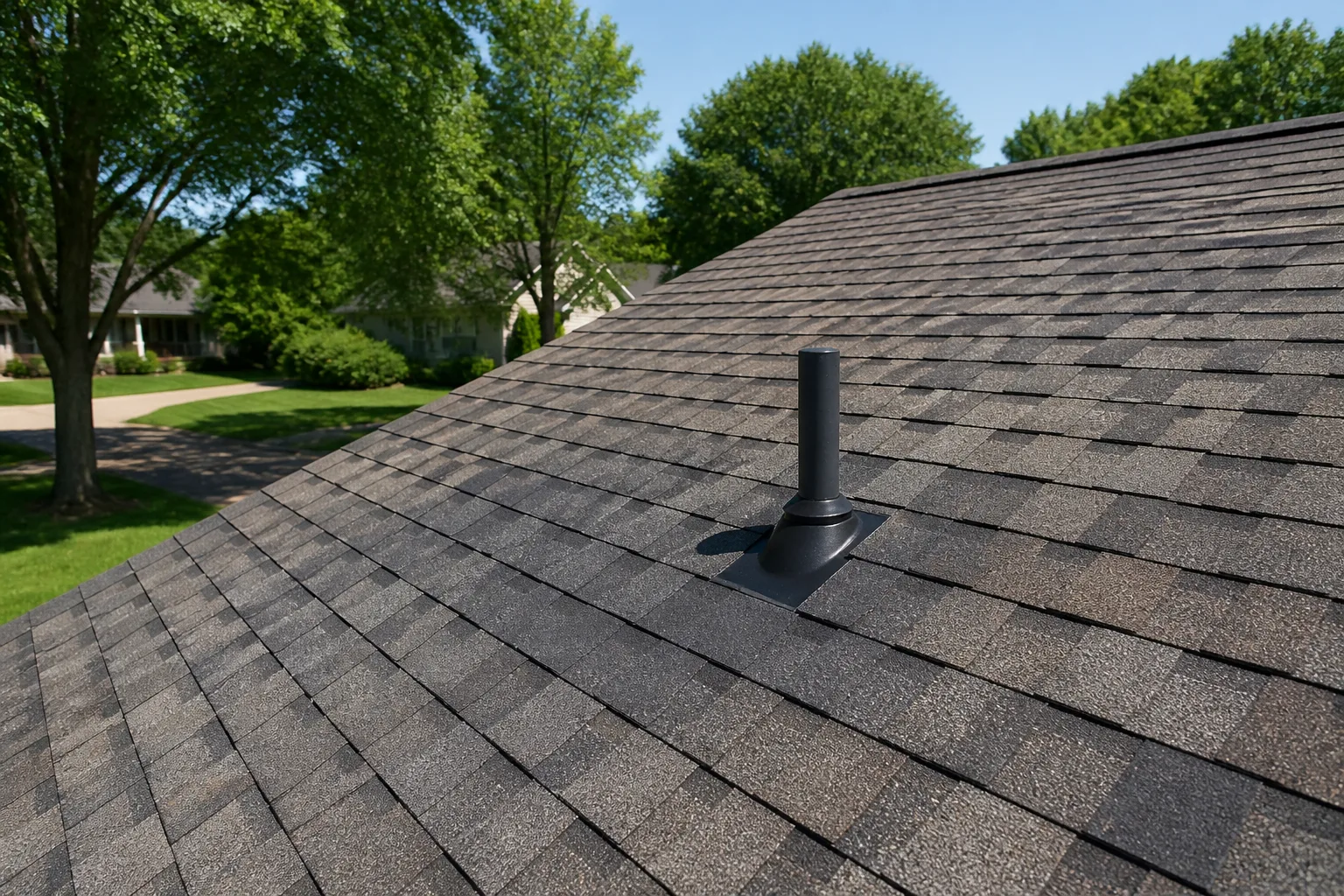
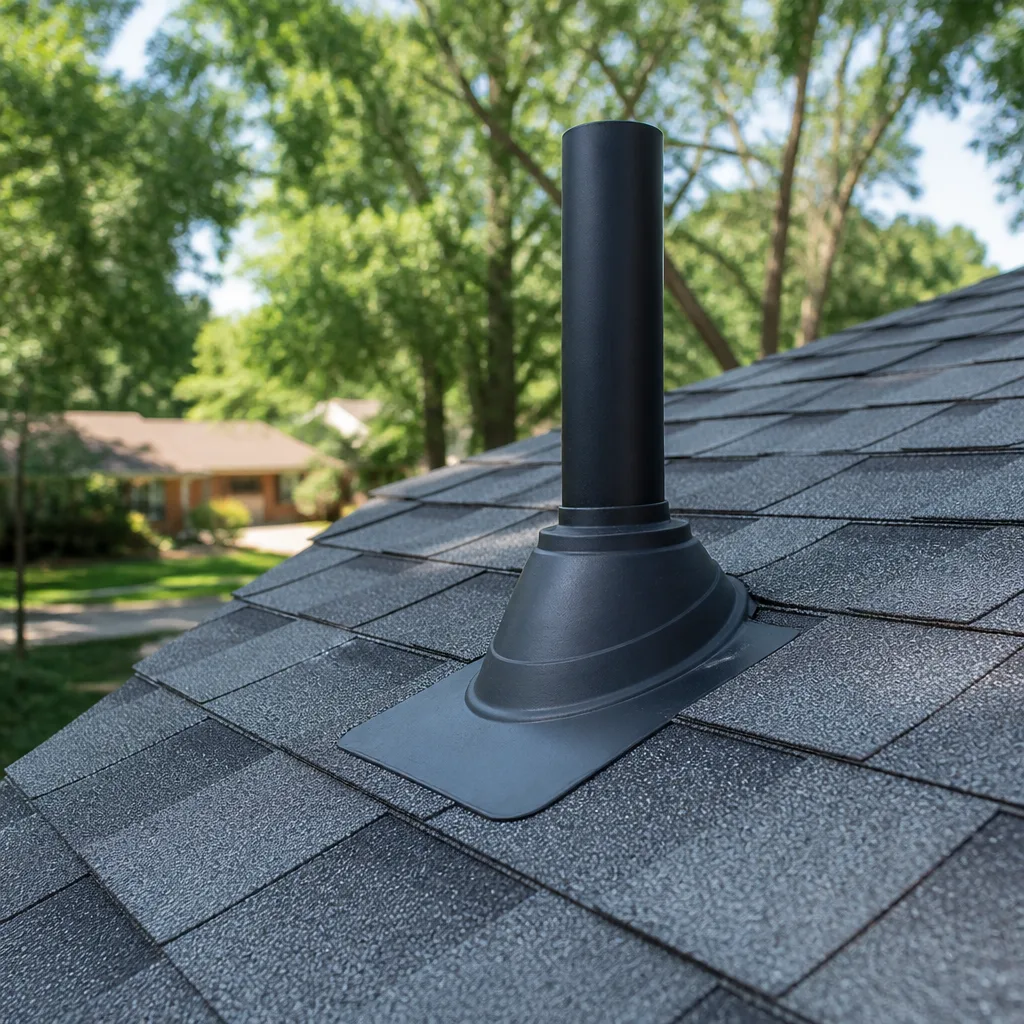
- Vent stacks: Check the metal collar around each pipe. The collar should sit flat against the roof surface, with the shingles overlapping it on the sides. Lifted shingle edges around a vent stack are a sign the seal is failing.
- Roof-to-wall junctions: On dormers and sidewalls, look for a step-flashing pattern of small metal pieces along the base of the wall. If the metal is visible and uneven, or if you see caulk instead of metal, it’s likely been patched rather than correctly flashed.
- Valleys: Check whether the valley has a visible piece of metal running down its length, or whether the shingles are cut through it without one. Visible wear on one side of a valley usually indicates water has been tracking there.
- Roof edges and ridge: Check the metal at the ridge and along the eave for bends, painting off, or loose fasteners. In Kent, gusty valley winds can work metal edges loose over time, and a loose edge lets water blow underneath.
What you’re looking for isn’t a leak. It’s a seal gap. Flashing failure starts as a small opening that lets wind-driven rain and snowmelt in during the next storm, and it becomes an active leak only once that moisture accumulates. Catching it before the leak is what a pre-season inspection is for. For a more detailed look at the roof replacement process, see our roof replacement page.
Normal Aging vs. Premature Failure Caused by Ventilation
Two roofs under the same sky can age at completely different rates. The difference is almost always ventilation. A roof that can’t breathe from the attic side will show a recognizable pattern of premature failure that looks different from normal wear.
What normal aging looks like: Uniform granule loss across all slopes, slight curling at the shingle edges, fading color. Wear is spread evenly and progresses at a pace that matches the roof’s age.
What ventilation deficiency looks like: This cluster of signs typically appears together:
- Shingles curling or buckling in the same slope-wide pattern, often in the middle of the roof rather than at the edges.
- Attic condensation: moisture visible on the underside of the roof sheathing, especially in the morning, or damp insulation near the roof edge.
- Staining or discoloration on the underside of the roof deck, which can look like water staining but is actually condensation.
- Peeling exterior paint or paint bubbling at the eave and gable.
- Moss or mold growth in attic corners, particularly in the coldest corner of the attic.
The mechanism is simple. Warm air from the house rises into the attic, meets the cold underside of the roof deck, and condenses there. Over time, that condensation soaks the sheathing and the shingle underside. From the outside, it looks like the shingles are failing; from the inside, the sheathing is starting to rot. A roof that’s failing from the underside for lack of ventilation will keep failing no matter how good the shingle is.
If you see this pattern, the first job before any material decision is to figure out what the attic is doing. Correcting ventilation on a roof replacement can mean adding intake vents at the eave line or reconfiguring the attic’s air path, which is part of what a proper new roof installation should address. It’s also part of the answer to the question Kent homeowners ask most often: why their roof didn’t last as long as the warranty said it would. For material-specific detail, see our guide to shingle roofing.
Attic Clues You Can Check Without Getting on the Roof
Some of the most useful warning signs are visible inside the attic, which is a safer and often more revealing place to look than the roof itself. If your home has attic access, these are worth a flashlight tour in early spring and again in fall.
- Under the deck in daylight: If you can see daylight through the roof boards or the rafters, there’s a gap in the sheathing or the flashing that’s letting water and air through.
- Sheathing discoloration: Look at the underside of the roof deck. Dark streaks or rings along the board edges often indicate old water staining or staining from condensation.
- Insulation condition: Mats of insulation that look flat, damp, or discolored at the edges (where the roof meets the attic floor) are a sign water is finding its way along the roof line.
- Rafter delamination or sag: Check the rafters for any that look warped or whose wood fibers show separation. This is a sign of prolonged moisture in the structure.
- Smells: A persistent musty or damp wood smell in the attic is a sign of moisture accumulation that isn’t finding a way out. This is usually the smell of a ventilation or condensation issue, not necessarily a leak.
- Active drip lines: If you see a dark trail of liquid in the deck or on the floor beneath the attic, you have an active leak. Note where it is, but don’t climb onto the deck itself to trace it. Call a professional.
These checks require nothing more than a flashlight and a cautious step. A homeowner who walks the attic twice a year can catch a condensation problem before it becomes a deck problem, and can catch a leak early in its life rather than after the ceiling has stained.
How Shingle, Tile, and Metal Age Differently in Kent’s Climate
One of the reasons warning signs get misinterpreted is that they look different across materials. A sign that means one thing on a shingle roof may mean something else on a tile or metal roof. Here’s how the three main residential categories present as they age, and why we install all three.
Asphalt shingle is the most common residential roof, and much of our work involves replacing older shingle roofs. The warning signs are the ones in this guide: granule loss, curling, moss, flashing seal failure. Granule loss is the leading indicator. Shingles are the most straightforward material to inspect from the ground, and they’re the most installed, which makes them a good baseline.
Tile is more common on certain architectural styles and holds color and surface longer than shingle, but tile aging shows up differently. Cracking from freeze-thaw, hairline cracks around fasteners, and moss growing in the channels between tiles are the main signs. Tile roofs also need a look at what’s underneath: tiles are only as good as the underlayment beneath them, and on an aging tile roof the underlayment can fail long before the tile itself.
Metal roofing ages mostly at fasteners and seams. Loose fasteners, sealant failing at laps, and any sign of rust along panels or at fastener holes are the indicators. Metal roofs on Kent homes hold up well through wet seasons, but the details at penetrations and edges are where the signs show first.
We install all three material categories, which means our recommendations are based on what’s on your roof, not on what we stock. On a tile or metal roof, the correct flashing and underlayment details matter even more than on a shingle roof, and a less common material benefits from a contractor with real selection options across product lines. We work with GAF, CertainTeed, Owens Corning, IKO, Atlas, Tamko, and Boral so the material is chosen for the home rather than for inventory convenience. A homeowner facing a full roof replacement can compare options across material types rather than being steered toward a single brand.
A Warning-Sign Log: Separating Urgent From Plan-Ahead
When you have two or three warning signs showing up, the hardest question is which one is urgent. A simple way to sort them is by where the sign appears in the three-layer model (surface, flashing, deck), and by whether it’s on one slope or spread across the roof. Here’s a working sort:
- Plan-ahead: Uniform light granule loss, surface moss on one shaded slope, minor curling at edges on the oldest slope. These are signs the roof is aging on schedule. Get an inspection and a plan, but nothing needs to happen this week.
- Schedule in the next season: Concentrated granule loss on one slope, moss on a section away from trees, visible sealant wear at flashing points, one or two interior attic signs of condensation. These point to a developing issue that will get worse next wet season if left alone.
- Call now: Daylight visible through the roof deck, a spot that stays wet after other areas dry, an actual interior stain on the ceiling, visible shingle gaps, or any structural sag at the ridge line. These are the ones where the damage has moved past the surface layer.
The reason we encourage a log rather than a one-time inspection is that condition is a story that moves over time. Two signs, checked twice a year, tell you whether the roof is aging normally or going faster in one spot. That’s the information a homeowner needs in order to plan a replacement instead of reacting to one.
Common Mistakes to Avoid
- Treating moss as a cosmetic problem. Moss lifts shingles and traps water against the roof surface. If you see it on a slope, look at why it’s there before you scrape it off.
- Power washing the roof. Power washing strips granules and can force water under shingles and flashing. Surface cleaning on any material is best done professionally, and it should follow an inspection, not replace one.
- Assuming all granule loss means the roof is failing. A light scatter from a new roof is normal. The pattern is what counts, not the presence of granules alone.
- Skipping the attic. A lot of what looks like an exterior shingle problem is actually a ventilation problem visible from the inside. Check the attic as well as the roof.
- Reclaiming one slope and ignoring the rest. A roof system ages as a whole. If one slope is failing, the others are usually close, and a partial fix without a full inspection just moves the problem forward.
- Waiting for the ceiling to stain. By the time water reaches the ceiling, the deck above has usually been wet for a while. The absence of an interior stain isn’t proof the roof is fine.
- Comparing pricing without comparing the roof. A quote means something only when it reflects the material, the flashing details, and the ventilation plan. A cheaper number doesn’t mean a better job unless it’s for the same system.
For a full picture of how a planned replacement works when the warning signs do point to a new roof, see our roof replacement process page. And for new construction choices, see new roof installation.
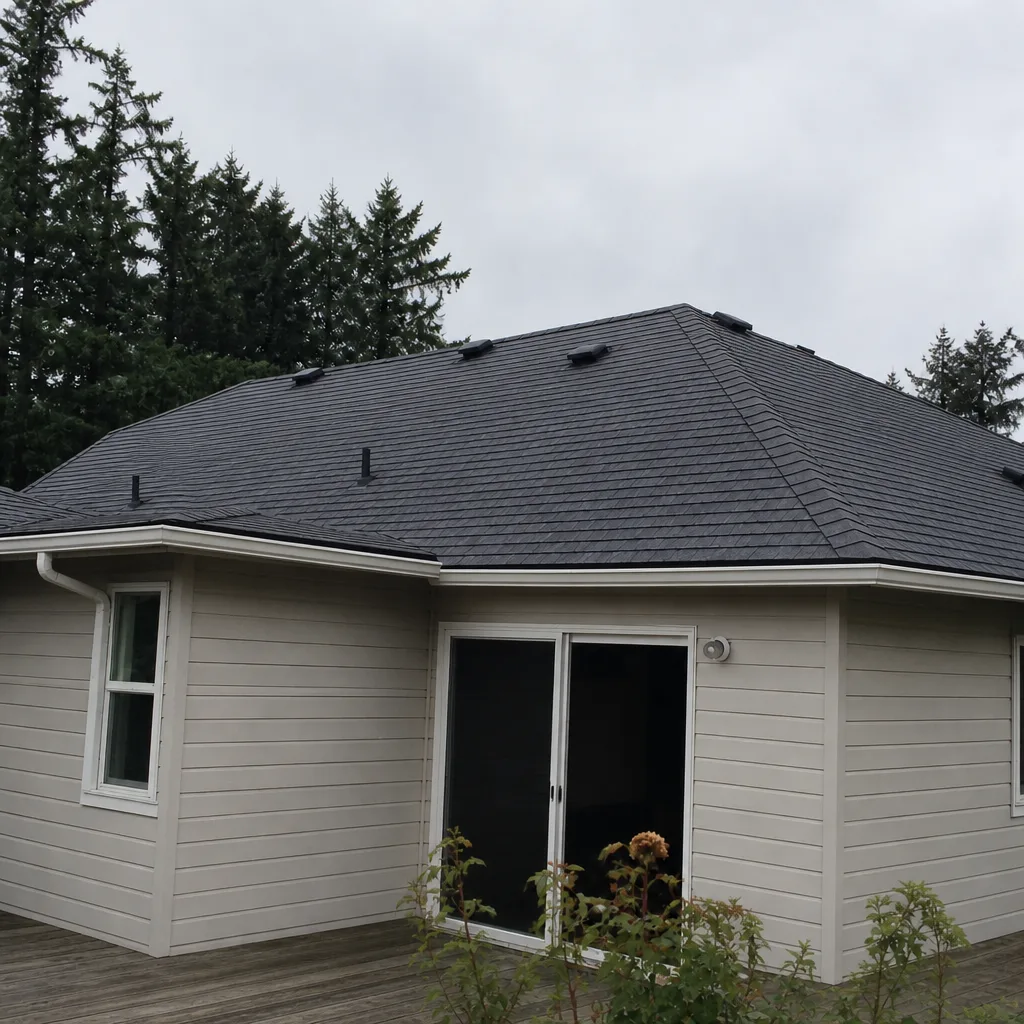
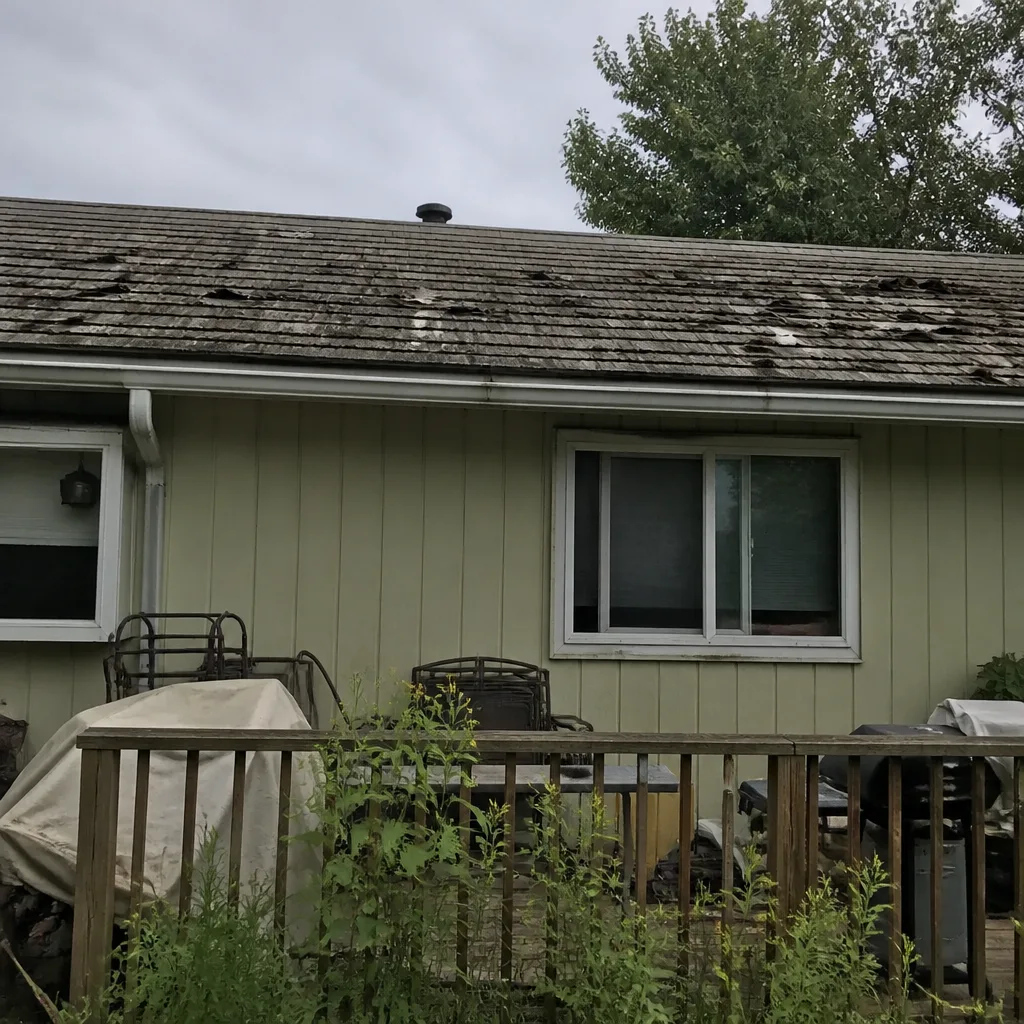
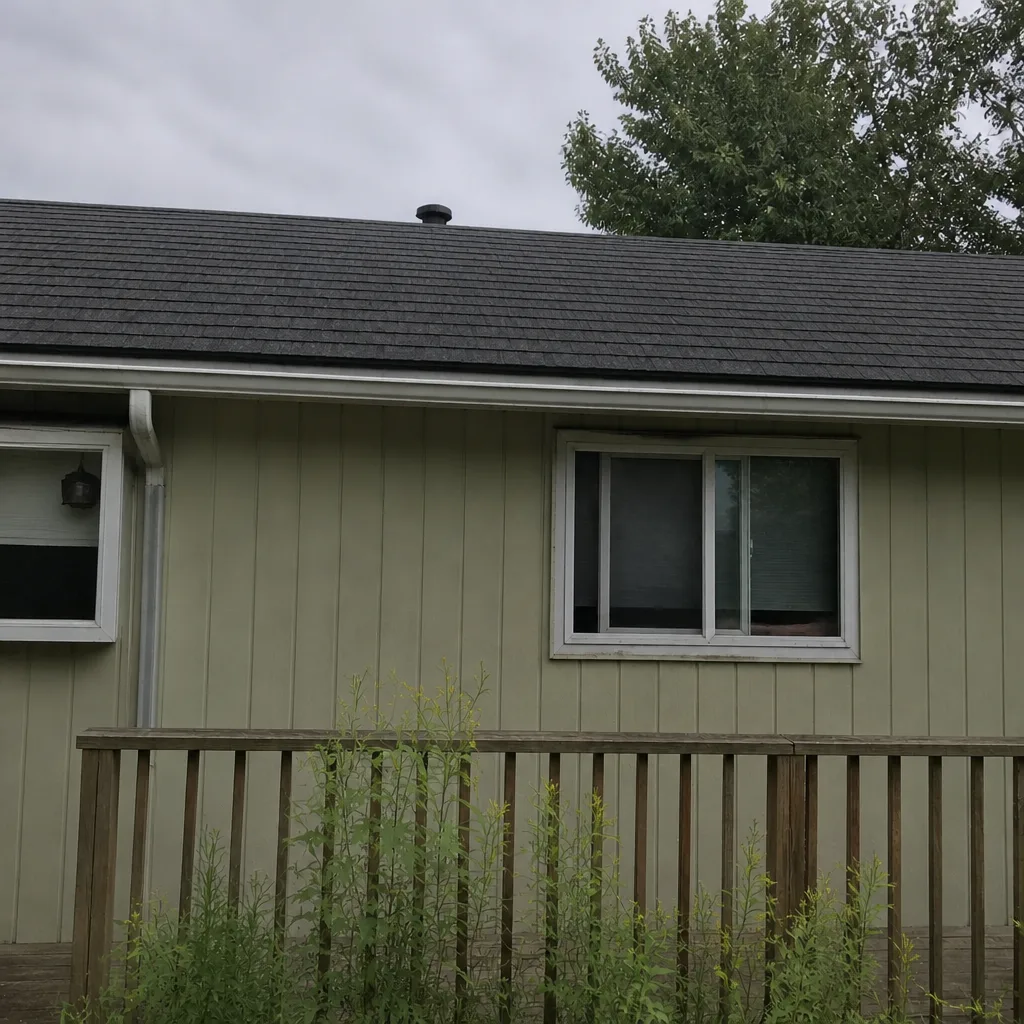
See the difference
 Before
 After
 Before
 After
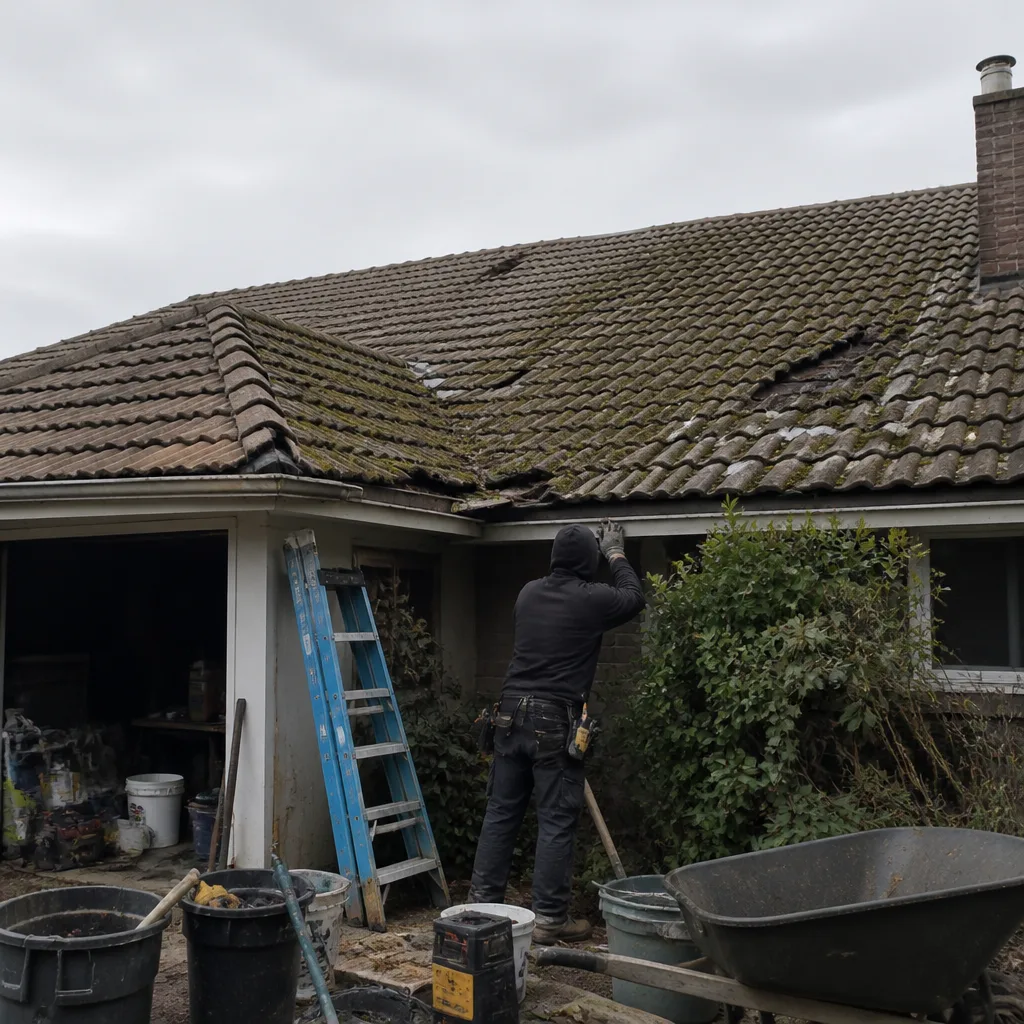 Before
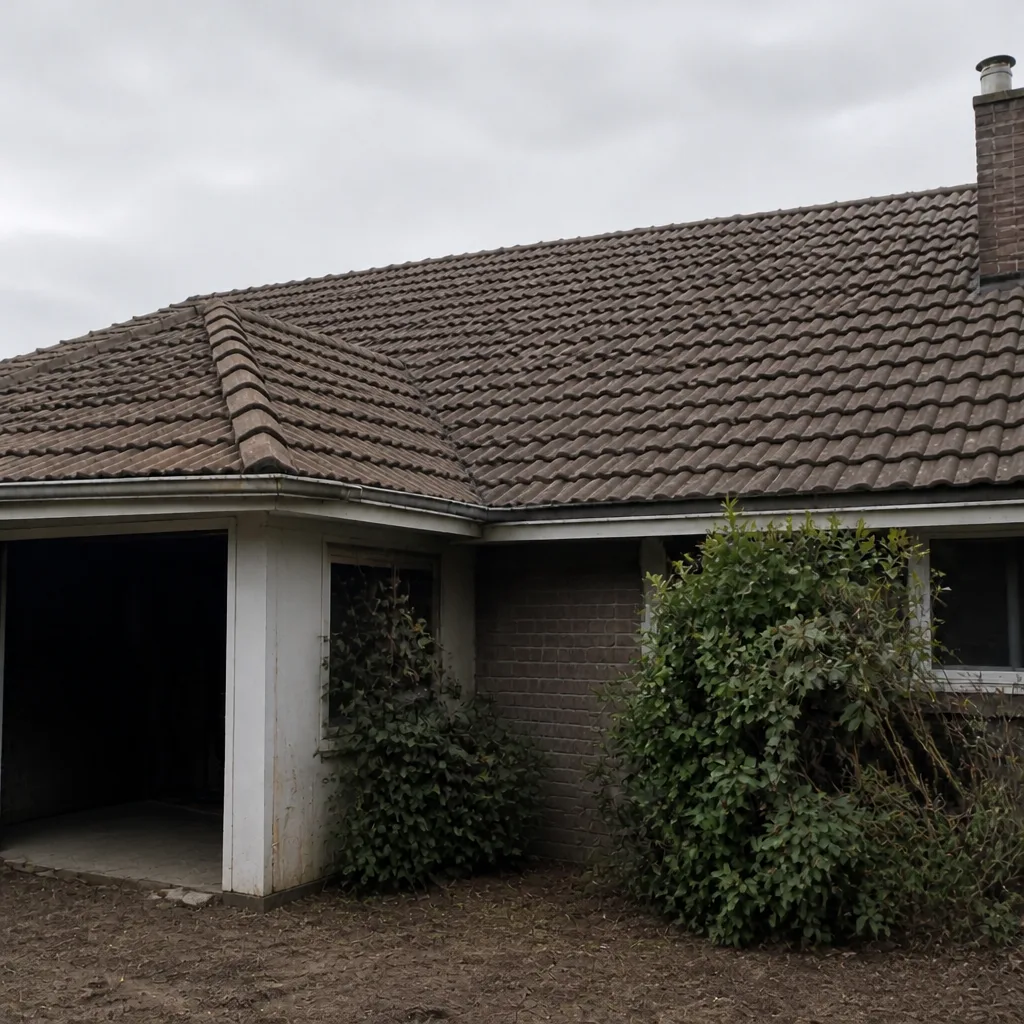 After
When to Call a Professional
Call a roofing professional the same week you notice: an interior stain on a ceiling or wall, a spot that stays damp after the roof around it has dried, visible daylight through the roof deck in the attic, shingles lifting in patches, or any sag at a ridge line. Those signs point to damage that has already reached the deck and should be assessed. Call us if you see multiple signs from the “schedule this season” list above, or if a roof inspection hasn’t been done in a few years and you want a plan rather than a guess. If you’re planning a replacement based on age and material life, a professional inspection converts all of those ground-level observations into a real scope of work and a real warranty picture. Kent Roofing Co offers free estimates in Kent. Call (253) 270-0797. We answer 24/7. Fast dispatch from 7am to 7pm, Sunday through Friday. Our technicians have up to 13 years of experience assessing shingle, tile, and metal roofs, and every estimate is a written line-item quote that sets the price. Estimators work from Kent Roofing Co.
Frequently Asked Questions
The most common early sign is granule loss that isn’t uniform across the roof. Light granule scatters are normal; concentrated loss on one slope suggests faster UV degradation there.
Moss grows where moisture sits and shade lingers, so its placement tells you which part of the roof stays wet longest. If moss is growing away from trees, it usually points to a condensation or drainage problem underneath.
Yes, for most Kent homes. From the ground or a ladder at a safe height, inspect the chimney base, vent stacks, skylight frames, valleys, and roof edges for lifted sealant, visible metal gaps, or caulk where metal should be. Any of these means the flashing should be looked at by a professional before the next wet season.
Normal aging is uniform across all slopes; premature failure is concentrated in one area or appears alongside attic condensation, curled shingles, and staining under the deck. Uniform wear matches the roof’s age. Concentrated wear on one slope usually points to a ventilation issue. Call (253) 270-0797 for an inspection if you’re unsure. Estimates are free.
Your attic is the best place to start. Look for daylight through the roof deck, staining or condensation on the sheathing, damp or discolored insulation at the edges, a musty smell, and any sagging rafters. Those interior signs catch problems at the deck before they show on the ceiling.
Our estimates are free and priced per job by written estimate, not by fee or call charge. The written estimate sets the final price, and it’s structured line by line so you can compare material and flashing scope. Call (253) 270-0797 for an exact quote. We answer 24/7, with dispatch from 7am to 7pm, Sunday through Friday.
Only if the installation addresses the attic’s air path. A new roof over an attic that can’t breathe will age the same way the old one did. Any roof replacement or new roof installation should look at intake and exhaust before material selection.
How long will a roofing job take?
Time depends on roof size, pitch, material, and how many flashing details are involved, so the written estimate is where the schedule is set. A roof replacement is a 20 to 50 year decision, and the schedule is confirmed up front before work begins.
The Bottom Line
The signs that matter most on a Kent roof are the ones that show up years before a leak, not after. Granule loss patterns, moss placement, flashing seal gaps, ventilation symptoms, and attic clues are all catchable from the ground or inside the house. The goal of an inspection isn’t to find a reason to replace the roof; it’s to give you the information to plan the replacement on your terms, with the material and warranty that fit the home. If you’ve spotted two or more signs from this guide, get a written estimate and a real scope of work. Shingle, tile, or metal, we install all three, and we work with GAF, CertainTeed, and other major manufacturers so your options are real rather than theoretical. Call (253) 270-0797. We answer 24/7. Fast dispatch from 7am to 7pm, Sunday through Friday. A roof replacement is a 20 to 50 year decision. We treat it that way.
Written by the team at Kent Roofing Co.