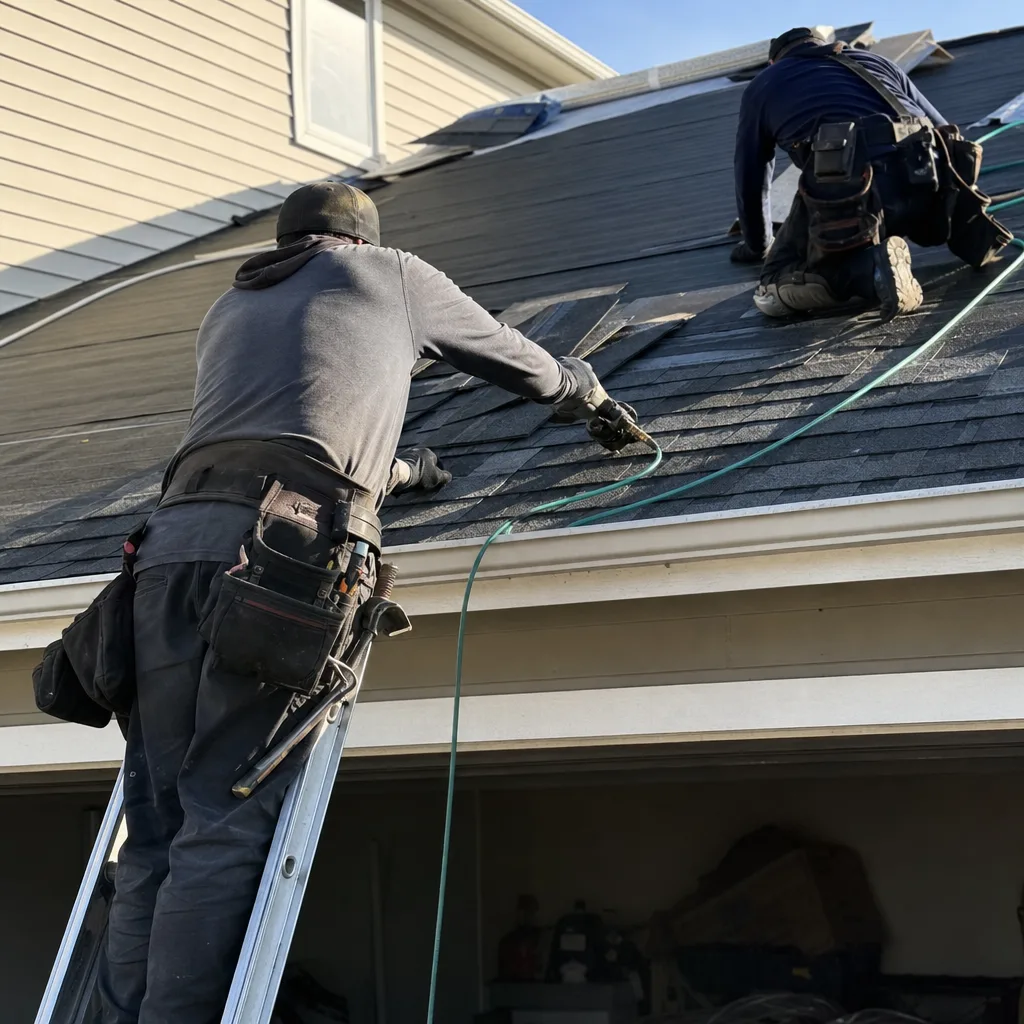
Last updated November 25, 2026
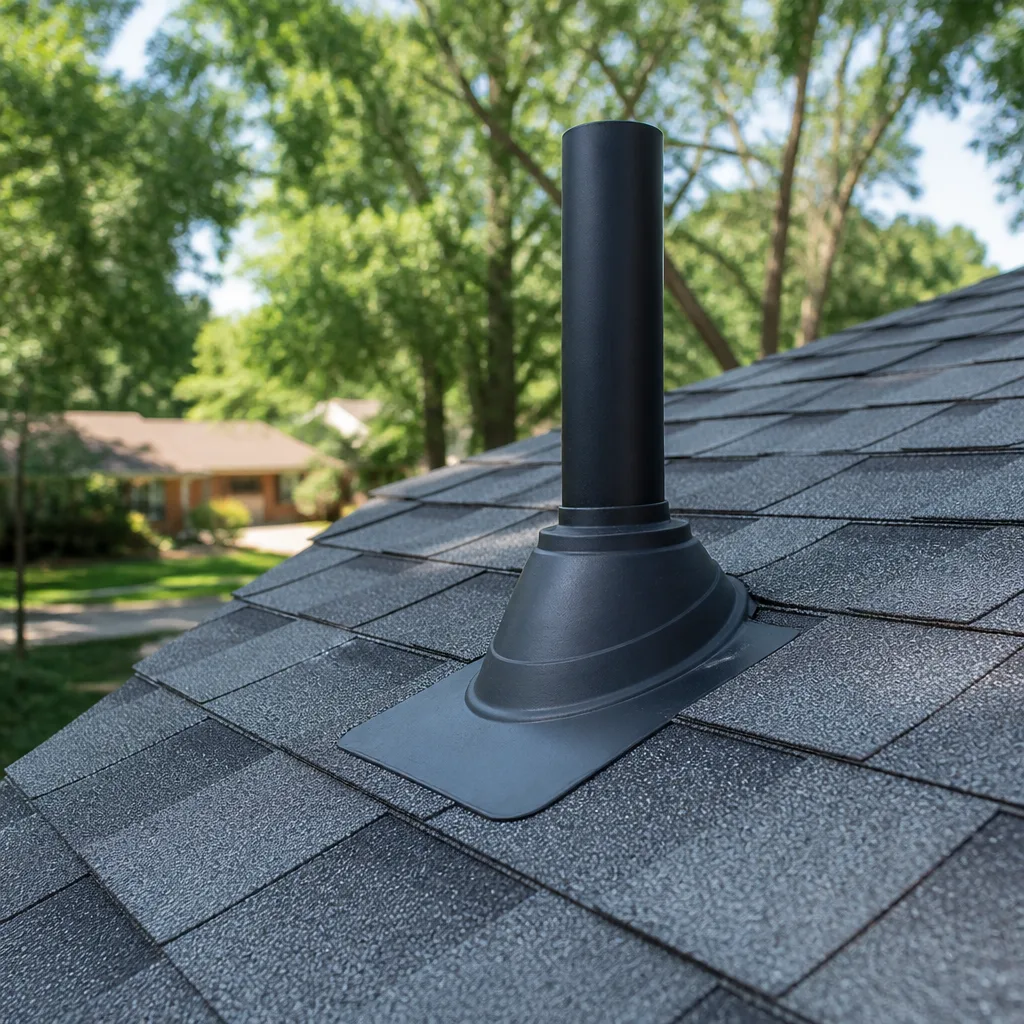
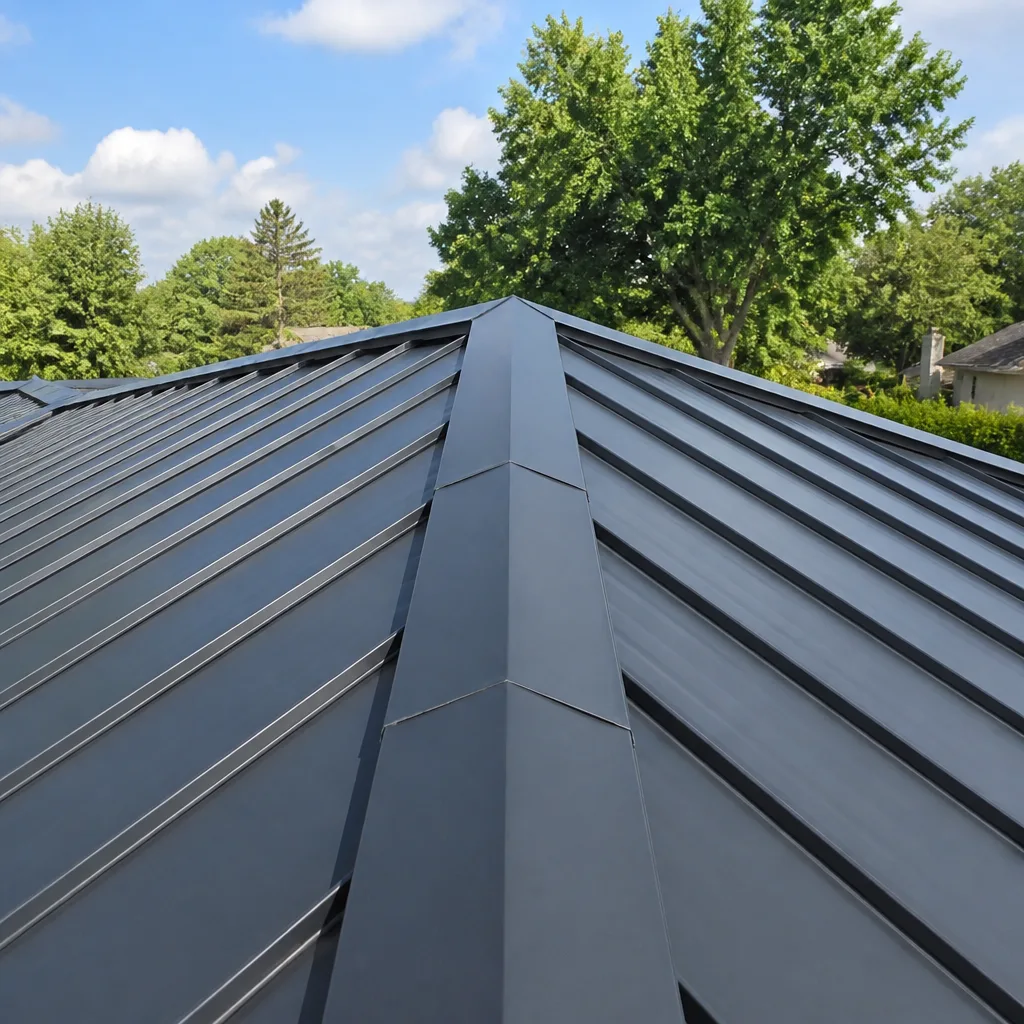
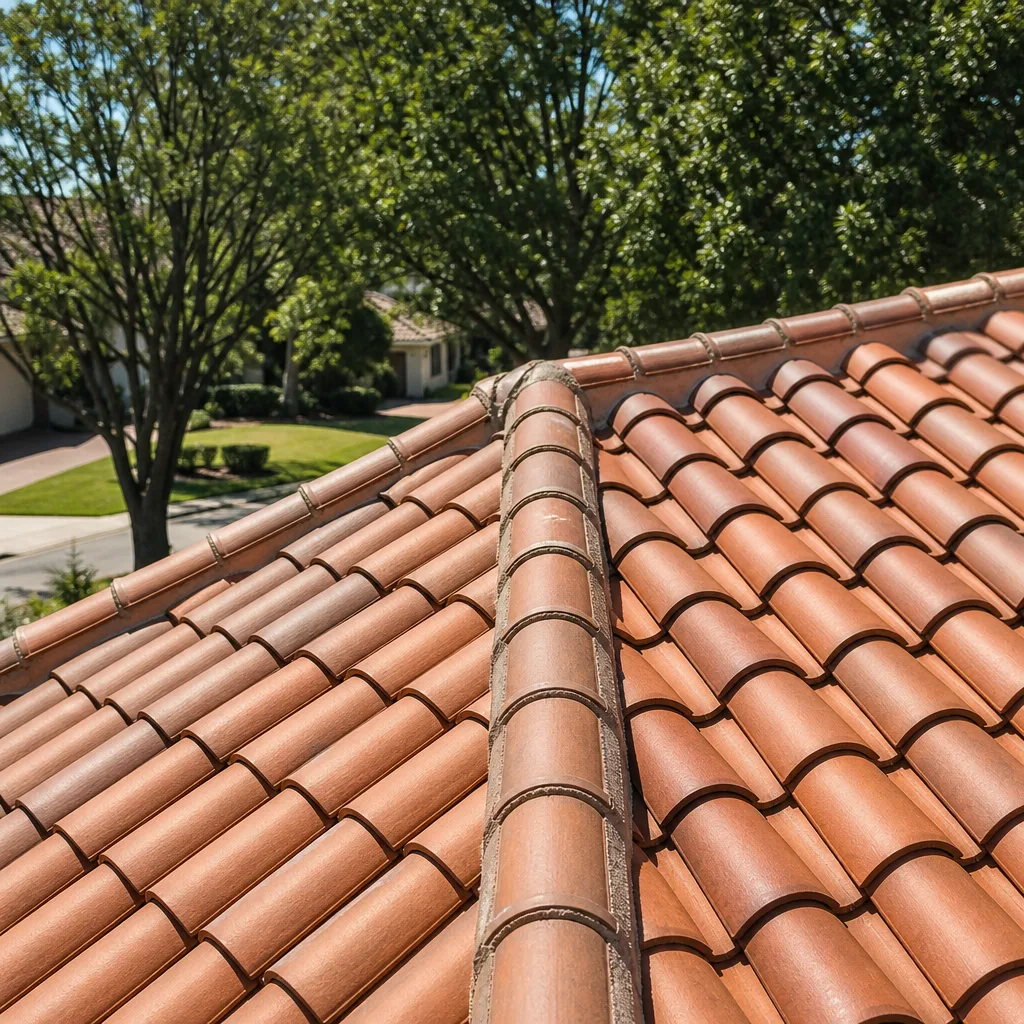
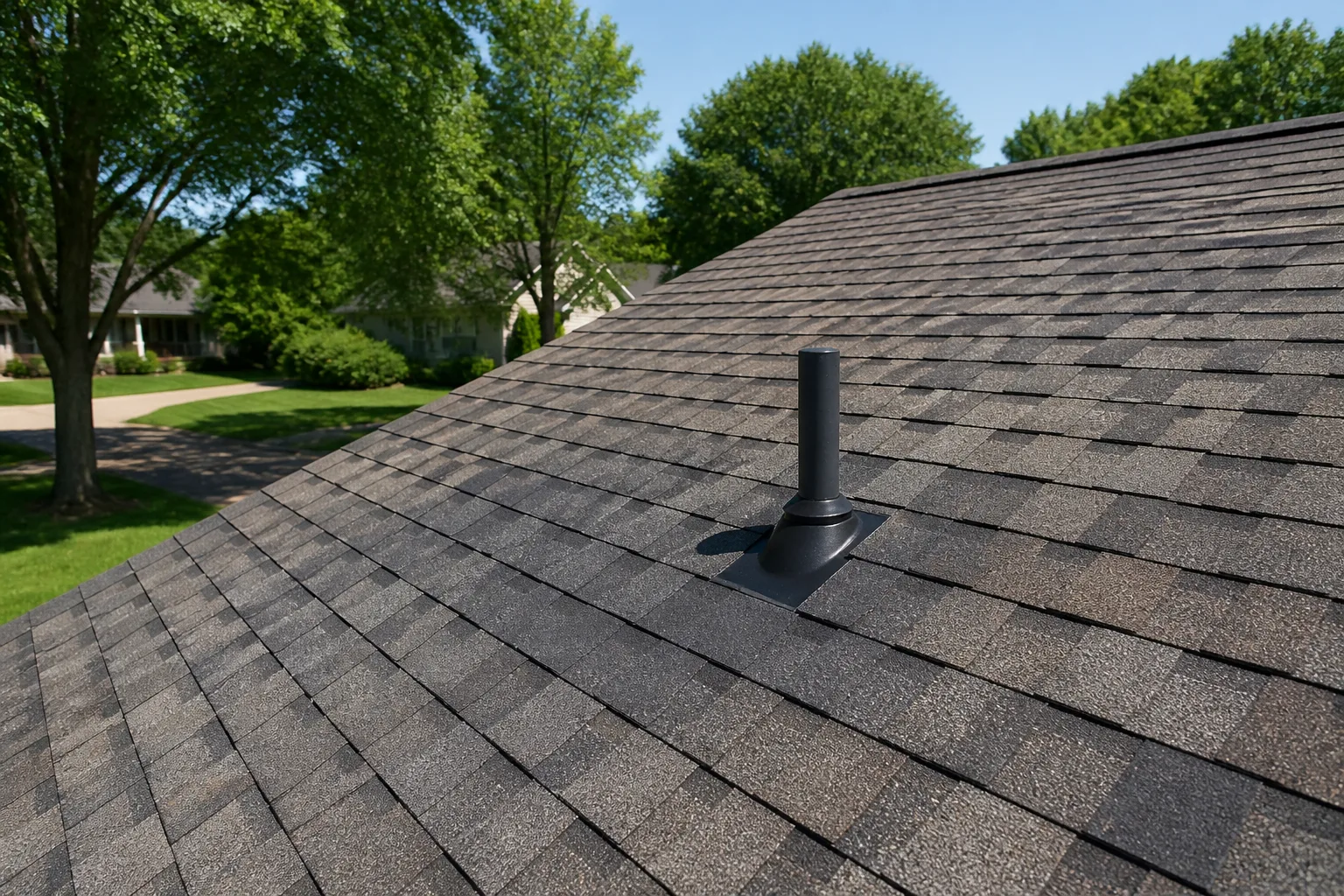
Free roof inspection with deck photos before we talk money - GAF and Owens Corning certified installation
DIY vs Professional Roofing: The Kent Homeowner’s Decision Guide
Most homeowners weighing DIY against a professional roof assume the debate is about labor cost. In Kent, the more consequential number rarely shows up on a quote: warranty eligibility. Install your own premium shingles and you step outside the manufacturer’s top certification programs, which means the material and the workmanship behind it may no longer be covered together. That gap is close to impossible to price until something fails. This guide walks through what Washington law actually allows a homeowner to do, which roofing systems require certified installation, how DIY work complicates insurance claims, and how to run a true cost comparison that includes the value you forfeit. We’ve built it for Kent homeowners who want the honest math, not a sales pitch.
Quick Answer
In Kent, you can legally handle minor roof maintenance on your own home, but a full roof replacement almost always belongs in professional hands. The decisive factor isn’t skill alone: most premium shingle, tile, and metal systems tie their strongest manufacturer warranties to installation by a certified contractor, and DIY installation voids that coverage. Add permit and inspection requirements, insurance claim risk, and safety, and the savings from doing it yourself shrink fast.
Styles & brands we work with
- Architectural shingles
- Metal roofing
- Tile roofing
- GAF
- Owens Corning
- Flat & low-slope
Table of Contents
- What Washington Law Allows Kent Homeowners to Do Themselves
- The Warranty Eligibility Matrix: Which Systems Require Certified Installation
- The Real Cost of DIY Mistakes in Roofing
- The Safe DIY Scope: What You Can Actually Handle
- How to Run the True Cost Comparison
- Permits and Inspections in Kent
- Shingle, Tile, or Metal: How Material Changes the Equation
- When to Call a Professional
What Washington Law Allows Kent Homeowners to Do Themselves
Washington State lets homeowners perform work on their own primary residence without a contractor license. That exemption is real, but it’s narrower than many people assume. The moment a project crosses into structural alteration, or the moment you’re working on a property you rent out or intend to sell, the rules tighten considerably.
Kent issues roofing permits through its building department, and a roof replacement typically requires one. The homeowner can pull that permit as an owner-builder, but doing so usually means signing an affidavit that you personally occupy the home and are doing the work yourself. That affidavit has consequences: it can follow the property and surface during a future sale or insurance review.
Here’s how the boundary usually breaks down:
- Generally allowed for the homeowner: minor patching, replacing a few damaged shingles, clearing debris from valleys and gutters, sealing a small flashing gap, and visual inspections from the ground or a ladder.
- Typically requires a licensed contractor: full tear-off and replacement, structural decking repair, work on any rental or investment property, and any job where the homeowner isn’t the occupant.
- Always professional: anything involving steep pitch, height, or a roofing system whose warranty depends on certified installation.
The owner-builder exemption is not a license. It’s a carve-out for your own home, and it doesn’t transfer to a helper you pay, a relative who does the work for cash, or a future buyer. If you’re planning a full replacement in Kent, verify the current permit rules directly with the city’s building department before you order a single bundle of shingles.
The Warranty Eligibility Matrix: Which Systems Require Certified Installation
This is the part of the DIY decision most homeowners never see until it’s too late. Roofing manufacturers structure their warranties in tiers, and the strongest tiers are reserved for installation by contractors who hold a specific certification with that manufacturer. A DIY install doesn’t just get a lesser warranty. On many premium systems, it voids the enhanced coverage altogether.
Across the seven manufacturer lines we install – GAF, CertainTeed, Owens Corning, IKO, Atlas, Tamko, and Boral – the pattern is consistent. Basic material coverage often survives a DIY install, but the labor-and-workmanship portion, the part that protects you when the roof itself fails rather than the shingle, typically requires a certified installer.
Here’s how the tiers generally sort out:
- Standard material warranty: Usually available regardless of installer, though some manufacturers require registration. Covers manufacturing defects in the shingle or panel itself.
- Enhanced or extended material warranty: Often requires installation by a contractor enrolled in the manufacturer’s program. Adds years and, in some cases, covers labor to replace defective product.
- Workmanship / labor warranty: The coverage most tied to certification. GAF, Owens Corning, CertainTeed, IKO, Atlas, and Tamko all maintain contractor certification programs that unlock their strongest labor coverage, and Boral does the same for its tile systems.
- Transferability: Many enhanced warranties transfer to a new owner for a defined period. A DIY roof usually can’t offer that, which matters if you sell your Kent home.
The practical upshot: a homeowner who self-installs premium shingles or tile to save on labor may hold a warranty worth a fraction of what a certified install would have provided. That difference is the hidden cost in the DIY column, and it’s why we tell homeowners the warranty is part of what they’re buying. It also explains why multi-manufacturer access matters: when a contractor works across several brand lines, the right system gets matched to your home instead of being forced by what happens to be in stock.
The Real Cost of DIY Mistakes in Roofing
When people calculate DIY savings, they subtract labor from the professional quote and call it a day. The real cost of a roofing mistake is larger, and it shows up in places that have nothing to do with the shingles themselves.
Roofing errors tend to be invisible at first. A missed ice-and-water barrier, an improperly lapped underlayment, or flashing that isn’t seated correctly won’t announce itself. It leaks months later, usually after the first hard stretch of Kent rain has had time to find the weak point. By then the damage has already spread into decking, insulation, and sometimes the ceiling below.
That’s where the insurance complication enters. Most homeowners policies cover sudden, accidental damage, such as a fallen limb punching through the roof. They’re far less likely to cover damage that stems from faulty workmanship, especially work the homeowner did themselves. Insurers routinely investigate the cause of a claim, and a roof that was self-installed or unpermitted can complicate or sink a payout. The homeowner is left holding a bill that the policy was supposed to cover.
Beyond insurance, DIY mistakes create a cascade of less obvious costs:
- Re-tear-off and disposal of failed work you already paid for once.
- Decking replacement when moisture has had months to rot framing.
- Interior repair from water intrusion that wasn’t caught early.
- Lost warranty coverage that can’t be reinstated after the fact.
- Permit re-inspection fees if the first inspection fails.
We’ve seen enough Kent roof evaluations to know the pattern: the mistake that costs the most is the one nobody looked at until the water was already inside.
The Safe DIY Scope: What You Can Actually Handle
This isn’t a “leave everything to the pros” argument. There’s a real, useful slice of roof care a homeowner can handle safely, and doing it well extends the life of the roof without putting anyone at risk or touching the warranty.
Roof safety is not a hypothetical concern. Falls from height are one of the most serious hazards in home maintenance, and wet Kent shingles are slick. The tasks below are meant to be done from the ground, from a ladder set on stable footing, or with binoculars – not by walking a steep pitch.
- Do a seasonal visual inspection. From the ground, check for lifted or missing shingles, sagging, dark streaks, and debris collecting in valleys. Photograph anything that looks off so a professional can assess it later.
- Clear debris from gutters and valleys. Built-up leaves and grit trap moisture against the roof surface. Clearing them is safe from a ladder and protects the edges.
- Check attic-side signs. Look in the attic for daylight, water staining, or damp insulation after heavy rain. This catches problems the exterior won’t show yet.
- Replace a small, isolated damaged shingle. Only on a low, safely accessible roof, and only a single shingle – not a field of them. If the surrounding shingles are brittle, stop and call someone.
- Seal a minor flashing gap. A small, reachable gap at a vent or edge can often be sealed with roofing sealant as a temporary measure. Treat it as a stopgap, not a repair.
- Keep a maintenance log. Record what you checked and when. It helps a roofer diagnose problems and supports any future insurance conversation.
What you should not do: walk a steep or wet roof, tear off a section yourself, attempt to re-flash a chimney or skylight, or install a new roof to save labor. Those are the jobs where the warranty ends and the risk begins.
How to Run the True Cost Comparison
A fair DIY-versus-professional comparison includes four numbers, not one. Most homeowners only run the first.
- Upfront materials and equipment. Shingles, underlayment, flashing, fasteners, ice-and-water barrier, dumpster rental, and any equipment you’d need to rent. This is the number homeowners usually calculate.
- The value of the warranty you forfeit. If the system you’re considering carries a certified-install labor warranty, that coverage has a real dollar value over the life of the roof. Leaving it on the table is a cost, even though it doesn’t appear on a receipt.
- Permit and inspection fees and time. Kent requires a permit for replacement work. Pulling it yourself as an owner-builder is possible but brings affidavit requirements and inspection scheduling you’ll manage.
- Risk exposure. What would it cost if the roof leaked into your ceiling and the insurer declined the claim because the work was unpermitted or self-installed? That number is the one that decides the comparison for most people.
A roof replacement is a 20-to-50-year decision depending on material. When you run the math across that window, the upfront labor savings of DIY start to look small next to the warranty, insurance, and rework risk. That’s the honest framing: this isn’t about whether you’re capable. It’s about whether the long-term math favors doing it yourself. For most Kent homeowners facing a full replacement, it doesn’t.
Permits and Inspections in Kent
Permits are where a lot of DIY roof plans quietly fall apart. Kent’s building department requires a permit for roof replacement, and the inspection process exists to confirm the work meets code before it’s covered by shingles. Skip it and you inherit the risk.
The reasons homeowners try to avoid the permit are usually about time and money. But an unpermitted roof can surface during a home sale, a refinance, or an insurance claim, and by then the fix is far more expensive than the permit would have been. An inspector may require portions of the roof to be opened up for verification, which means paying twice for part of the job.
When you work with a professional, the permit and inspection process is handled as part of the job. When you go the owner-builder route, you’re responsible for pulling the permit, scheduling inspections, and being present for them – and for the corrections if something doesn’t pass. For a full replacement in Kent, that’s a meaningful amount of project management on top of physical labor.
If you’re weighing a replacement, our team can walk you through how the process runs, including permits and inspections, as part of a free estimate. That conversation costs nothing and often clarifies the decision faster than any spreadsheet.
Shingle, Tile, or Metal: How Material Changes the Equation
The DIY math shifts depending on what’s going on your roof. Shingle, tile, and metal each carry different installation demands, different warranty structures, and different consequences when something goes wrong.
Asphalt shingle is the most DIY-adjacent of the three, which is exactly why it’s also the most tempting to self-install. But the premium tiers of shingle product – the ones with the longest material and labor coverage from manufacturers like Owens Corning, IKO, Atlas, and Tamko – are the same tiers most tightly tied to certified installation. You can buy the shingles. You usually can’t buy the top-tier warranty without the certification.
Tile raises the stakes further. Tile systems from Boral and similar manufacturers demand correct underlayment, proper fastening, and attention to load and pitch that a first-time installer rarely gets right. Broken or improperly set tile is a leak waiting to happen, and the weight and fragility make DIY work risky even for a capable homeowner.
Metal is unforgiving of measurement and fastening errors. Panel alignment, expansion allowances, and fastener placement all have to be right, and mistakes show up as leaks at the seams. Metal systems also tend to carry their own warranty conditions, most of which assume professional installation.
Across all three categories, the same principle holds: the material you choose should match your home’s architectural style and your climate exposure, and getting that match right is a cross-brand, cross-material decision. If you’re leaning toward shingle roofing, we install it across several manufacturer lines so the choice follows your home rather than a single supplier. If you’re weighing roof replacement generally, the material decision shapes everything downstream, including how much warranty is even available to you.
When to Call a Professional
Some situations are simply not DIY territory, and recognizing them early saves money and risk. Call a professional when the roof needs a full or partial tear-off, when there’s structural decking damage or sagging, when water has already reached the interior, or when the material involved is tile or metal. Call when you can’t safely access the problem, when the pitch is steep, or when the roof is wet. Call if you’re planning to sell the home – a certified install with a transferable warranty is worth real money at closing. And call if any part of your plan depends on the warranty, because that’s the part DIY erases.
Kent Roofing Co offers free estimates in Kent – call (253) 270-0797 to schedule yours. We work with GAF, CertainTeed, Owens Corning, IKO, Atlas, Tamko, and Boral, so the recommendation follows your home and not a single brand. Our technicians have up to 13 years of experience. We answer 24/7. Fast dispatch from 7am to 7pm, Sunday through Friday.
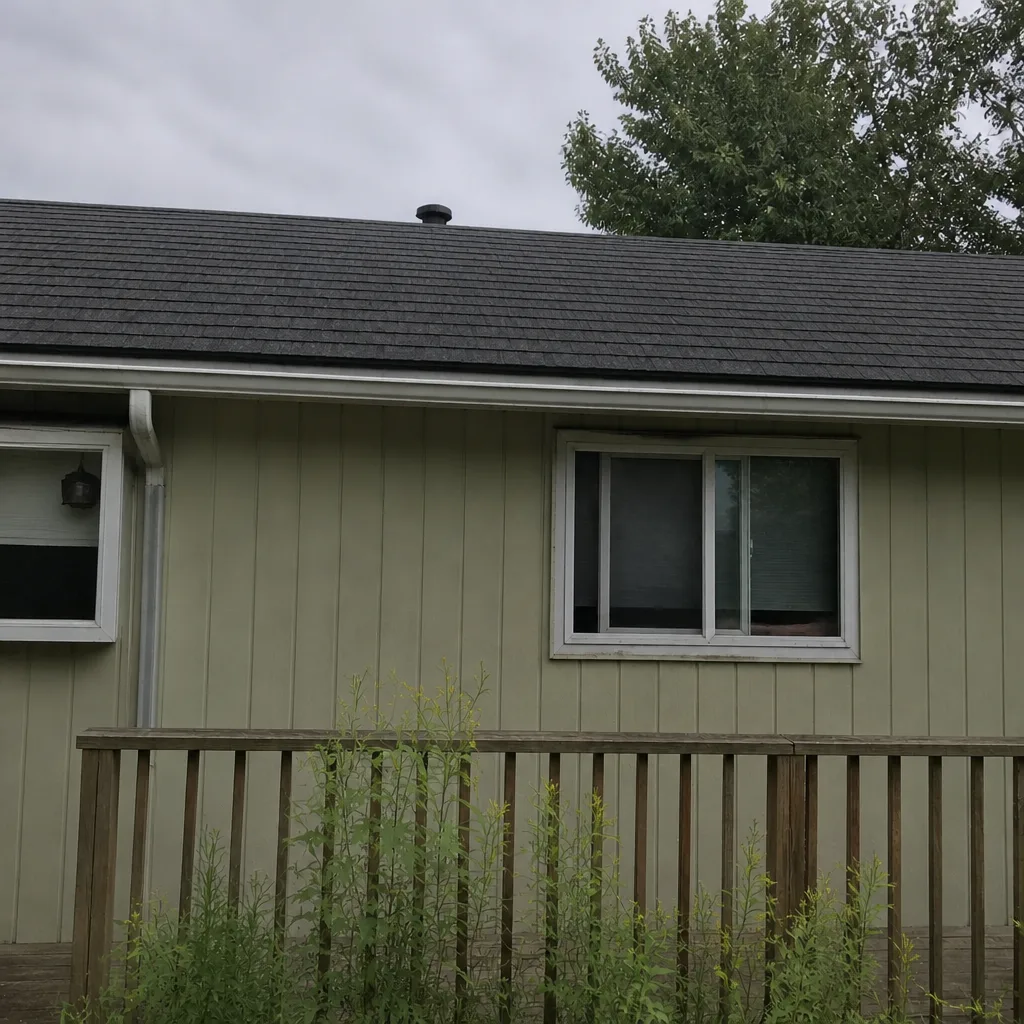
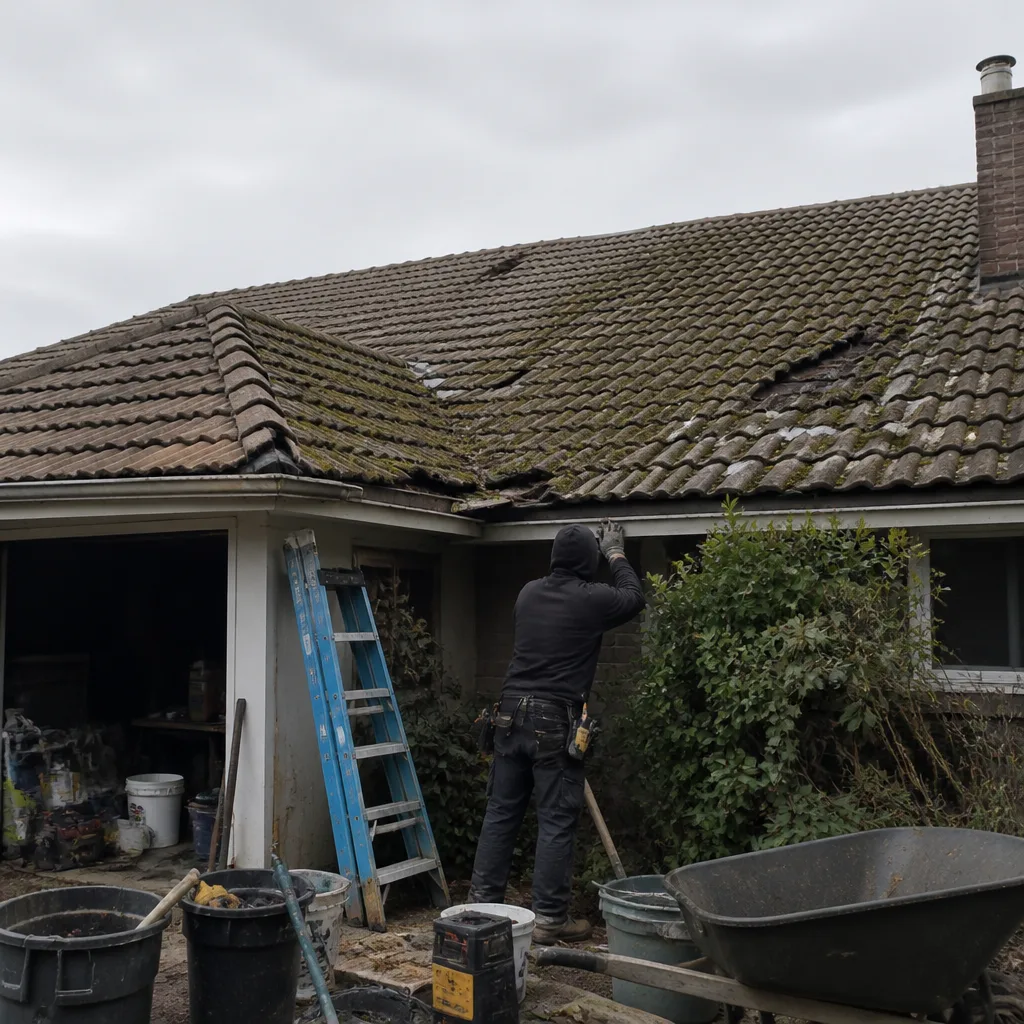
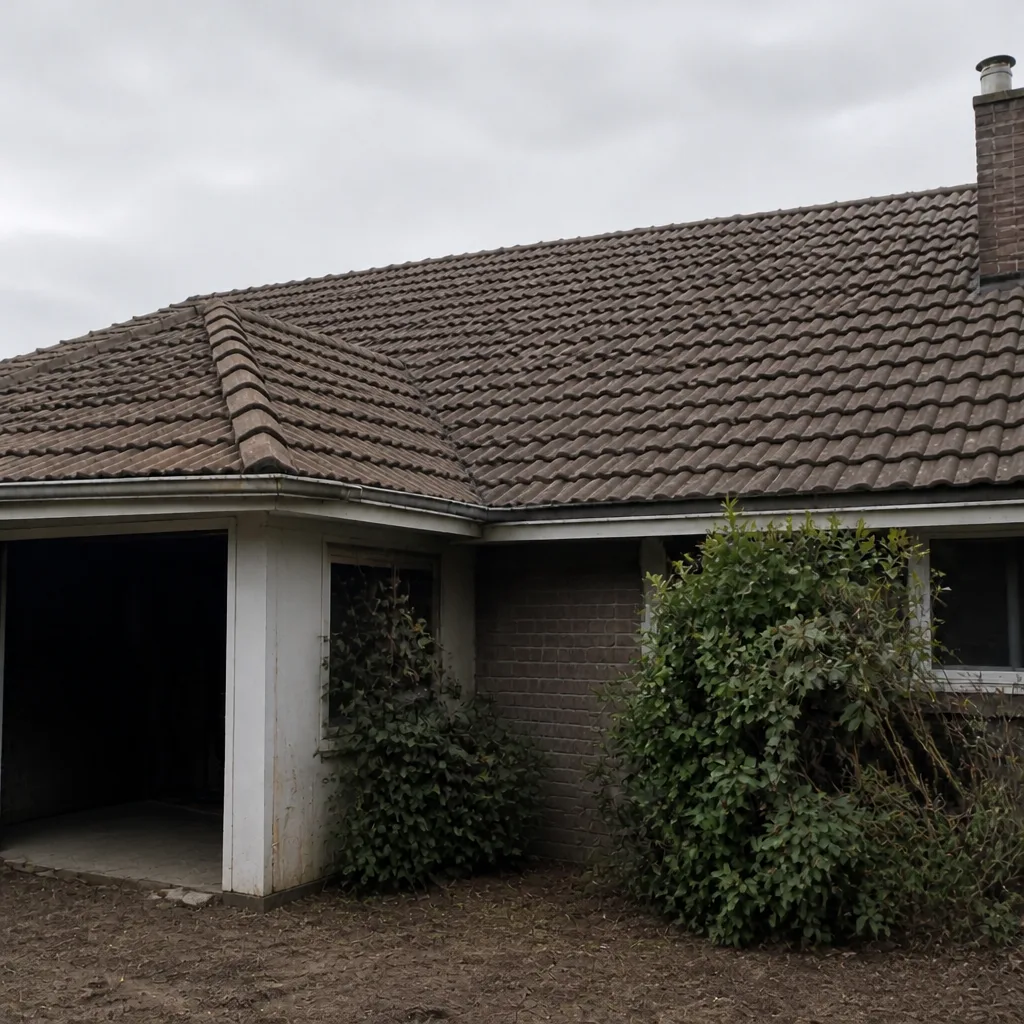
See the difference
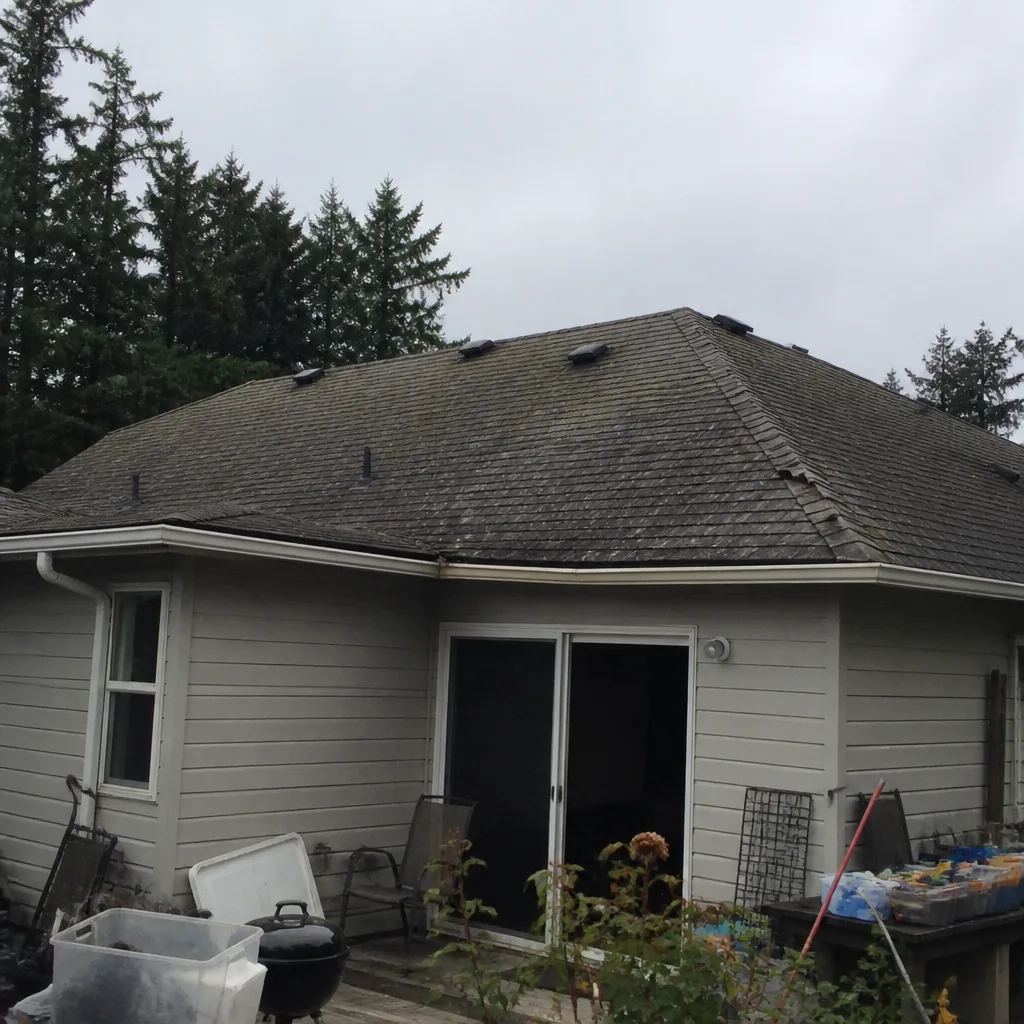 Before
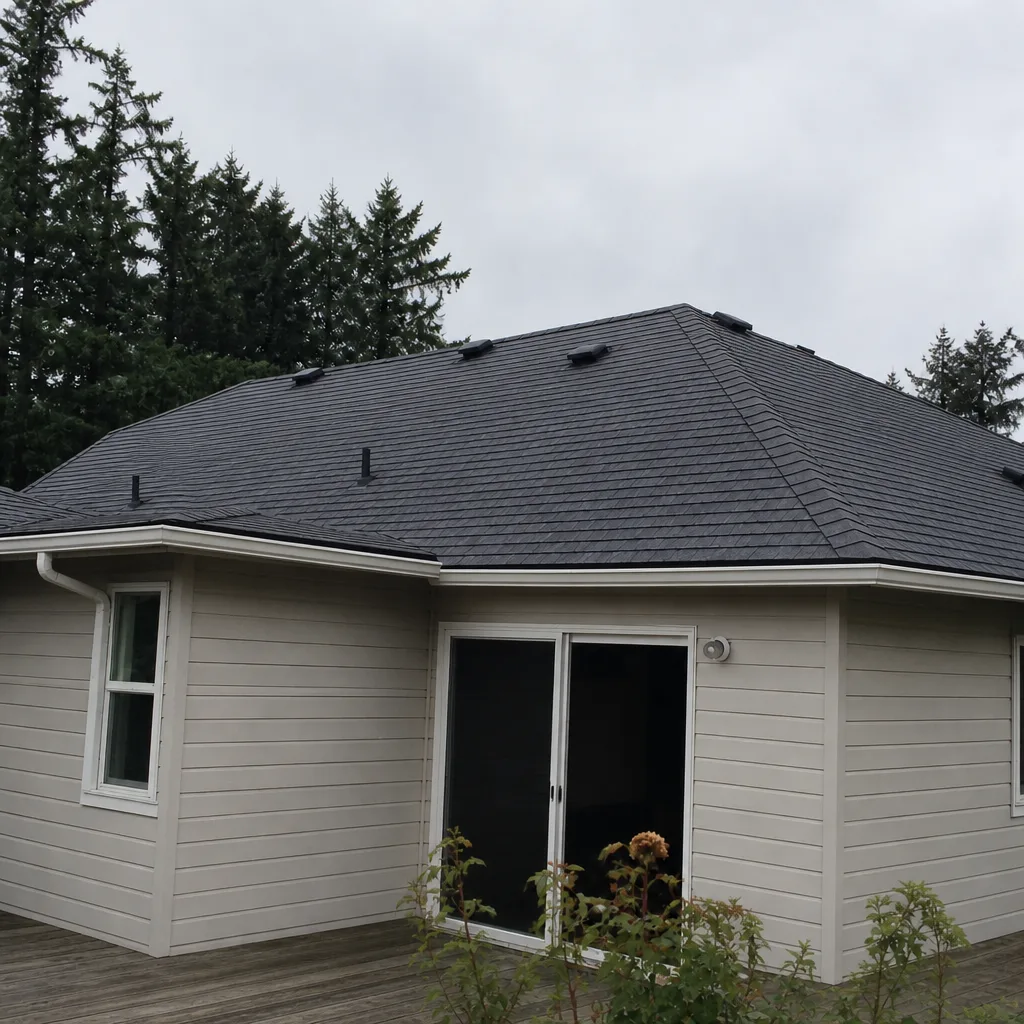 After
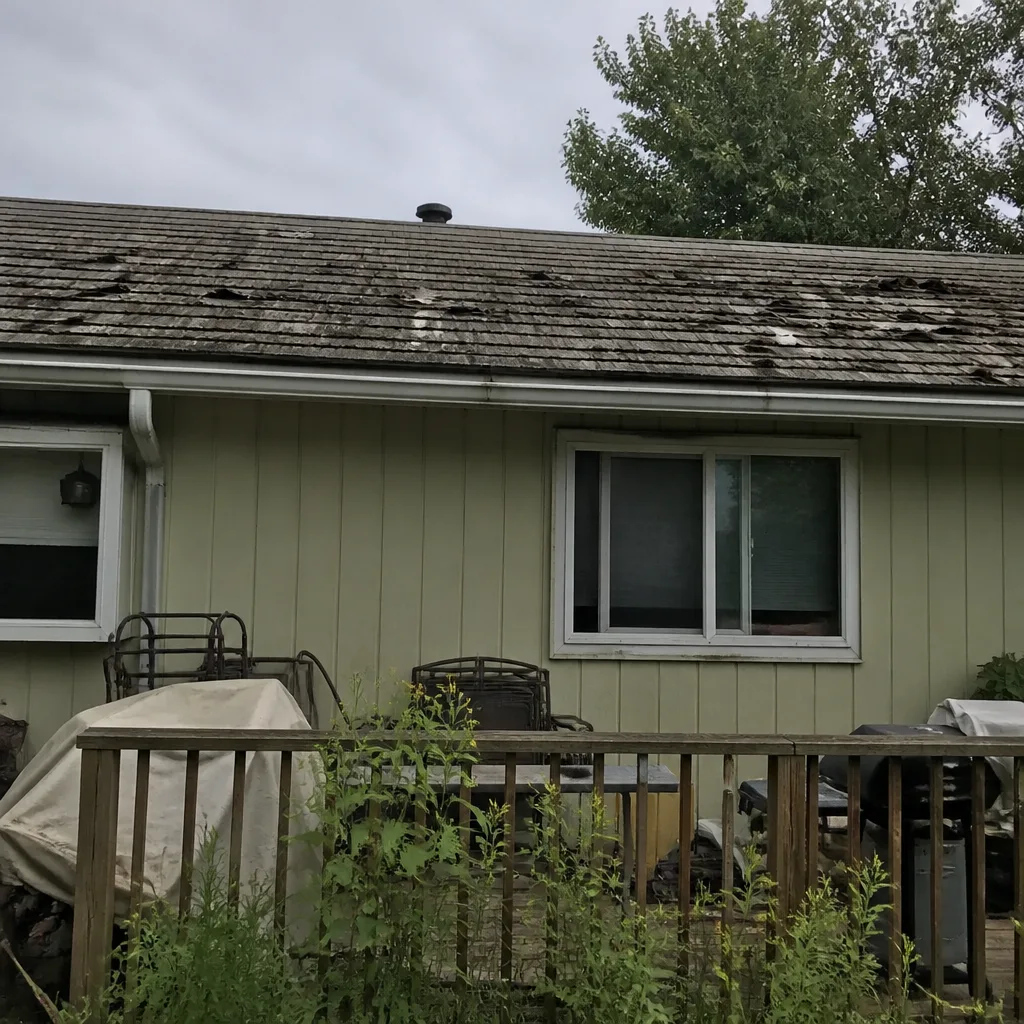 Before
 After
 Before
 After
Common Mistakes to Avoid
- Assuming DIY preserves the warranty. It usually does the opposite on premium systems. The tier that covers workmanship is the one most likely to require certified installation.
- Skipping the permit to save time. An unpermitted roof in Kent can complicate a sale, a refinance, or an insurance claim. The permit is the cheaper path.
- Working a wet or steep Kent roof. Rain leaves shingles slick, and a fall is the worst possible outcome of a job meant to save money. Stay off anything you can’t safely access.
- Underestimating what a small leak costs. Water that reaches decking and insulation turns a shingle repair into a structural job. Catch it early and it stays cheap.
- Replacing a field of shingles yourself. Beyond the first isolated shingle, matching, sealing, and warranty coverage all become problems. Know where the line is.
- Comparing only the labor line. A true comparison includes forfeited warranty value, permit and inspection time, and the cost of a failed claim. Most DIY plans never count those.
- Choosing material to suit the installer, not the home. Picking a system because it seems easier to self-install, or because one contractor stocks only that brand, often leads to the wrong roof for the house.
Frequently Asked Questions
Yes, in limited circumstances – Washington allows homeowners to do work on their own primary residence without a contractor license, and Kent issues owner-builder permits for that work. But the exemption is narrow: it doesn’t cover rental or investment property, and it requires an affidavit of owner occupancy. For most Kent homeowners, the permit, inspection, and warranty consequences make a professional replacement the practical choice. Call (253) 270-0797 for a free estimate on a replacement – estimates are free.
On many premium systems, yes. Standard material coverage often survives a DIY install, but the enhanced material and workmanship warranties across GAF, Owens Corning, CertainTeed, IKO, Atlas, Tamko, and Boral are typically reserved for certified installation. That’s the coverage that protects the labor, and it’s the part most DIYers lose. Call (253) 270-0797 to talk through which warranties apply to the system you’re considering.
It can, or it can reduce what they pay. Insurers usually cover sudden accidental damage but are cautious about damage traced to faulty or unpermitted workmanship. A self-installed or unpermitted roof can complicate a claim and leave the homeowner covering the interior damage themselves. Call (253) 270-0797 to discuss a replacement done to code with warranty coverage intact.
Cost depends on material, square footage, roof pitch, and how much decking repair is needed, so the only reliable number is a written, line-item estimate. DIY appears to save the labor line, but once you subtract the forfeited warranty value, permit and inspection time, and claim risk, the gap narrows sharply. Call (253) 270-0797 for a free written estimate – the written quote sets the final price.
Ground-level inspections, clearing debris from gutters and valleys, attic-side checks for leaks after rain, and a single isolated shingle replacement on a low, safely accessible roof. Anything involving steep pitch, wet surfaces, flashing, tile, metal, or a full tear-off should go to a professional. Our technicians have up to 13 years of experience – call (253) 270-0797 if you’re unsure which category a job falls into.
Yes. When you work with us on a new roof installation, the permit and inspection process is handled as part of the job, so the work is inspected and documented. That matters for insurance, resale, and the warranty. Call (253) 270-0797 to schedule a free estimate – we answer 24/7, with fast dispatch from 7am to 7pm, Sunday through Friday.
The Bottom Line
The DIY versus professional roofing question in Kent comes down to more than labor cost. You can legally handle minor maintenance on your own home, and doing so safely helps extend the roof’s life. What you can’t easily replace yourself is the certified installation that unlocks the strongest manufacturer warranties on shingle, tile, and metal systems – and that’s the coverage that protects you when something fails. Add permit and inspection requirements, insurance claim risk, and fall safety, and the long-term math usually favors professional installation for a full replacement. A roof replacement is a 20-to-50-year decision. We treat it that way. If you’re weighing options, our team at Kent Roofing Co is glad to lay out the choices, including material and warranty differences, before you commit.
Ready to compare? Call (253) 270-0797 for a free estimate. We answer 24/7. Fast dispatch from 7am to 7pm, Sunday through Friday. We’ll walk you through shingle, tile, and metal options from GAF, CertainTeed, Owens Corning, IKO, Atlas, Tamko, and Boral, and give you a written quote so the final price is set before any work begins.
Written by the team at Kent Roofing Co.