Last updated November 25, 2026
Free roof inspection with deck photos before we talk money - GAF and Owens Corning certified installation
How to Hire a Roofing Contractor in Kent: A Step-by-Step Guide
You’ve heard the standard advice: get three quotes and check the reviews. It sounds sensible, and on most home projects it works. On a roof, it quietly fails. The highest-tier warranties from manufacturers like CertainTeed and Owens Corning only apply when a contractor holds the right installer credentials with that specific manufacturer. That means a roofer can be licensed, insured, well-reviewed, and completely genuine, and still leave you holding a roof with no manufacturer warranty behind it. This guide reframes the hiring process around that reality. We’ll walk through how to verify credentials directly, what a roofing scope of work should contain before you sign, and the contract language that reveals single-brand bias. If you’re hiring a roofing contractor in Kent, the qualification check matters more than the price comparison.
Quick Answer
To hire a roofing contractor in Kent, verify four things before you sign anything: a valid Washington State contractor registration for the roofing specialty, current general liability and workers’ comp coverage, the contractor’s actual credentialed-installer status with your chosen material manufacturer (confirmed with the manufacturer, not just the contractor), and a written scope of work that specifies materials, underlayment, flashing, ventilation, and permit responsibility. Price belongs at the bottom of your list, not the top. A cheaper install with no manufacturer warranty is the more expensive roof over its life.
Styles & brands we work with
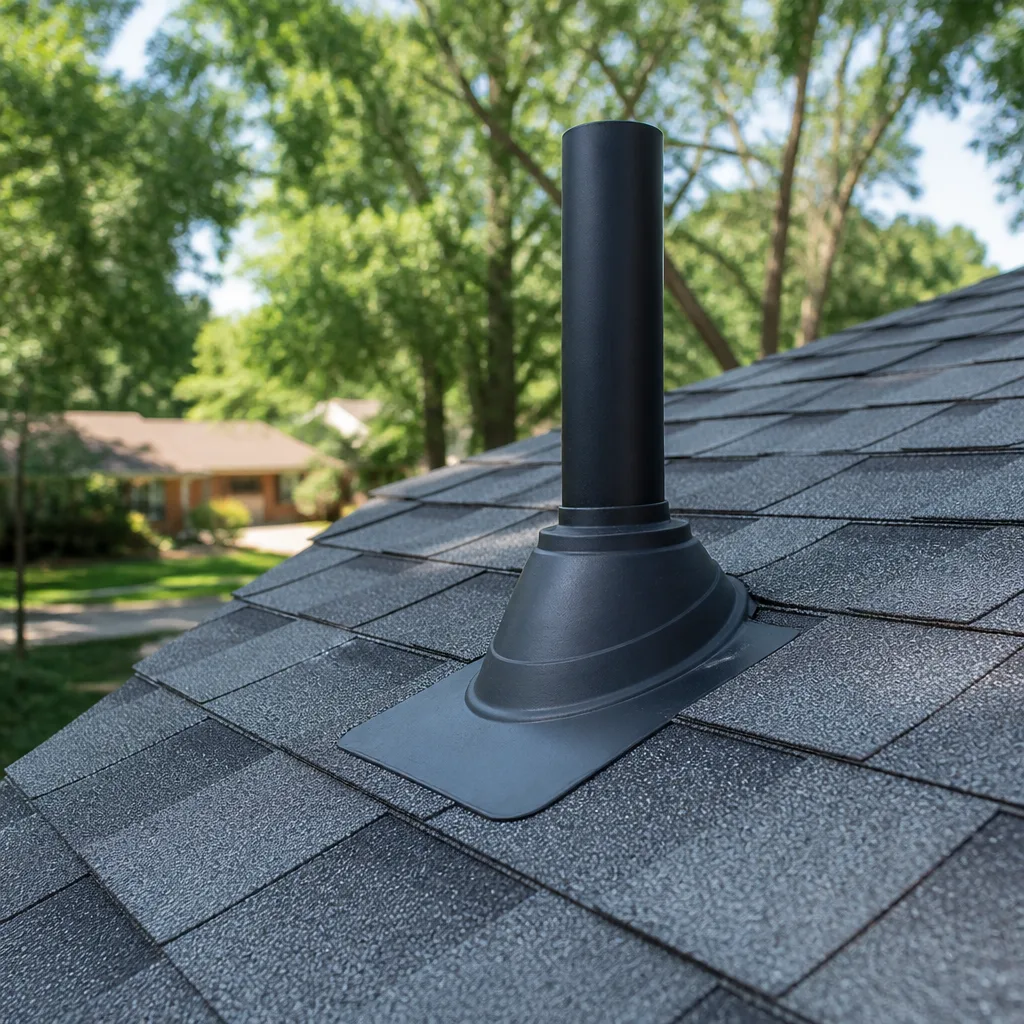
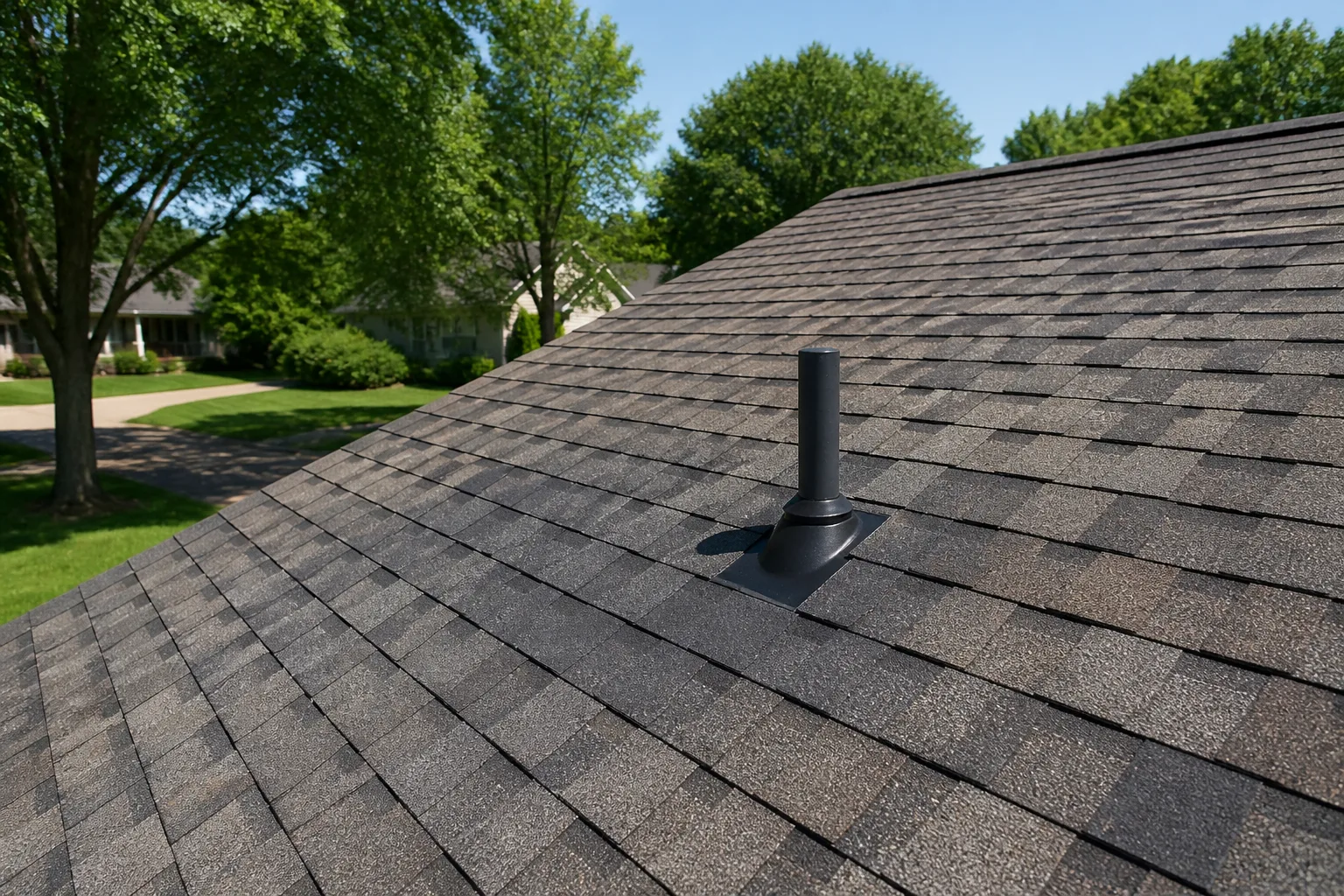
- Architectural shingles
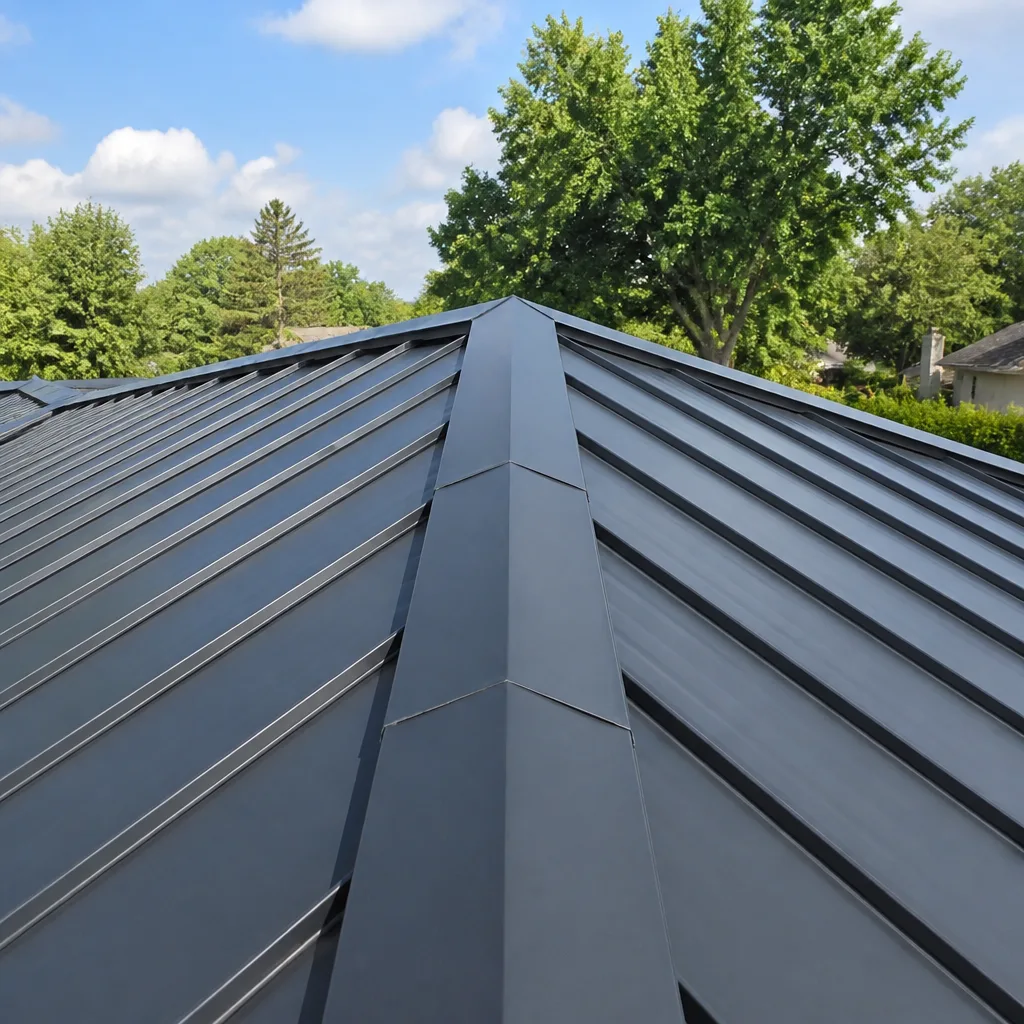
- Metal roofing
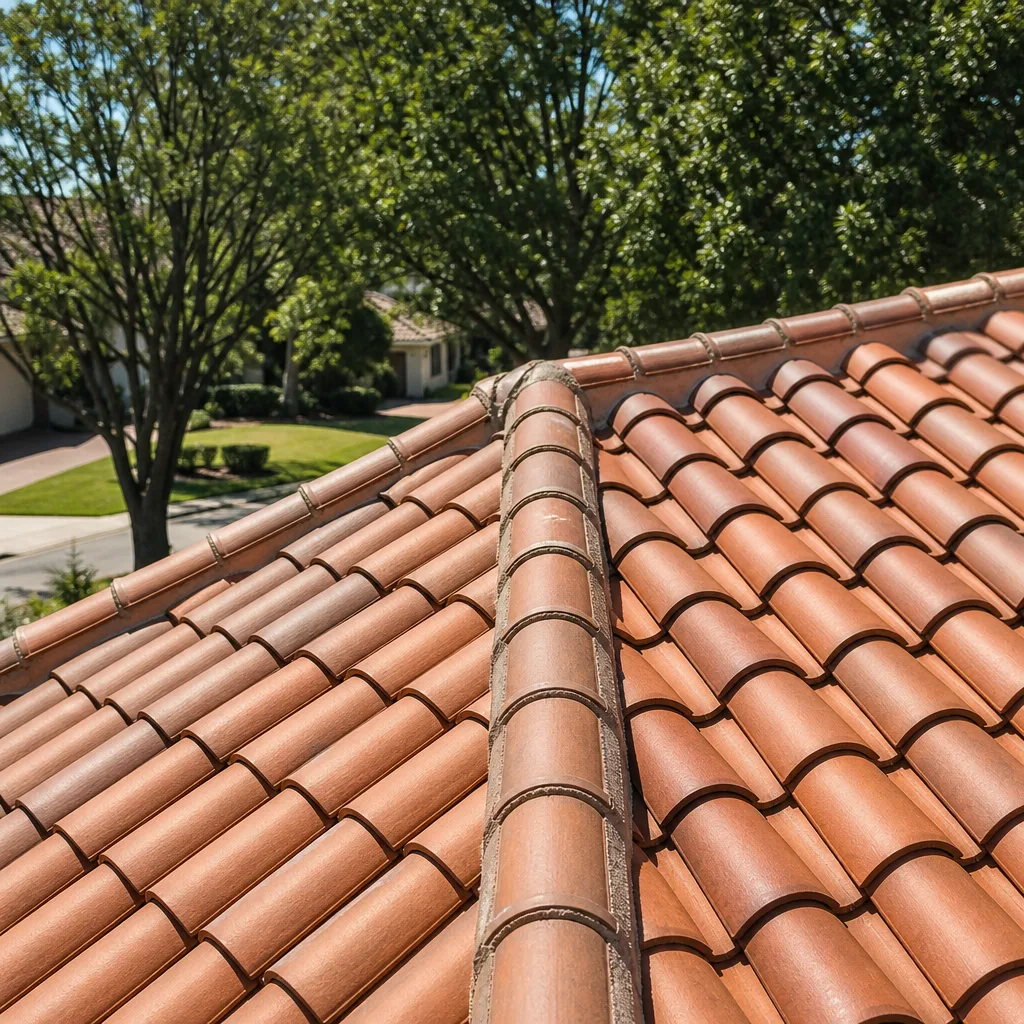
- Tile roofing
- GAF
- Owens Corning
- Flat & low-slope
Table of Contents
- Why “Get Three Quotes” Fails When Hiring a Roofer
- Washington State Licensing vs. Manufacturer Credentials
- How to Verify Manufacturer Certification Directly
- What a Roofing Scope of Work Must Contain
- Red Flags in Roofing Contracts
- Questions That Reveal Local Code Knowledge
- Material Choice: Shingle, Tile, or Metal
- The Step-by-Step Hiring Process
Why “Get Three Quotes” Fails When Hiring a Roofer
Three quotes tell you which roofer is cheapest. They don’t tell you which roofer is qualified to install the material you chose in a way that the manufacturer will stand behind. Those are different questions with different answers.
Here’s the mechanism behind it. Manufacturers tier their warranties. The entry level covers workmanship for a short period. The top tier – often marketed with names like systems warranty or limited lifetime coverage – only applies when the installing contractor holds a specific credential with that manufacturer and installs the full system as specified. A CertainTeed credentialed installer installing CertainTeed with the required accessory components gets the enhanced coverage. The same installer putting down a competitor’s product gets only that manufacturer’s base warranty, or none at all.
The homeowner never sees this distinction on a quote sheet. Both quotes say “architectural shingle, 30-year.” One carries a manufacturer’s enhanced warranty. The other carries nothing beyond the contractor’s word.
We’ve watched this play out across Kent and the wider area. The quality of the installation can be excellent in both cases – it’s the paperwork trail that differs, and it’s the paperwork trail that pays out in year twelve when something fails.
So the hiring process needs to be restructured around verification, not comparison shopping. The next sections walk through exactly what to verify.
Washington State Licensing vs. Manufacturer Credentials
Homeowners routinely conflate these two things. They’re completely separate, and you need both.
Washington State contractor registration is a legal requirement to operate and contract for construction work in the state. It’s issued through the Department of Labor & Industries. A roofing contractor operating in Kent without a current registration in good standing is operating illegally. You can check any contractor’s status directly through the L&I site using the registration number they provide. Confirm three things: the registration is current, it covers the roofing specialty, and the liability insurance and workers’ comp are both active. Don’t accept a photo of a certificate – check the live record.
Manufacturer credentialed-installer status is a separate, voluntary designation. It doesn’t come from the state and has nothing to do with licensing. Manufacturers like Owens Corning, IKO, and Atlas run their own credentialing programs. Being credentialed means the contractor has been vetted by that manufacturer for training, insurance, and installation standards, and can offer the enhanced warranty tier.
These two credentials serve different purposes:
- State registration protects you legally. If the contractor damages your home or doesn’t finish the job, the bond and insurance provide recourse.
- Manufacturer credential protects the roof itself. It tells you the manufacturer has confidence in how the product will be installed and is willing to back it further.
One without the other is incomplete. A licensed contractor without manufacturer credentials can install a fine roof – but they cannot offer you the top warranty tier. A “manufacturer-preferred” contractor without state registration in good standing is a legal problem. Check both.
How to Verify Manufacturer Certification Directly
The single most useful habit in hiring a Kent roofer: assume any credential claim is unverified until you confirm it in the manufacturer’s own system. Not on the contractor’s website. Not on the proposal they handed you. On the manufacturer’s official contractor locator or certification lookup.
Here’s the verification process, step by step:
- Ask for the exact certification name and level. “Are you a CertainTeed SELECT ShingleMaster?” “Which tier with Owens Corning?” Vague answers like “we’re certified with all the big brands” are a red flag. Real credentials have specific names.
- Ask for the manufacturer-issued contractor ID. Every credentialed installer has a number in the manufacturer’s records. Ask for it.
- Look up the contractor on the manufacturer’s official locator. Every major manufacturer runs a searchable database of credentialed installers. Use it. It’s the only authoritative source.
- Confirm the material match. A contractor credentialed with one manufacturer cannot extend that credential to another brand’s product. If your chosen material is CertainTeed shingle and the contractor’s credential is with Owens Corning, ask what credential they hold for the CertainTeed line – or whether they’ll be installing the brand they’re actually credentialed for.
- Ask which warranty tier applies. The credential should map to a specific warranty tier in writing. Get the manufacturer’s warranty document, not a summary, before signing.
In our experience, this single check filters out a large share of misleading proposals. Some contractors advertise “certified installer” status when they hold only a basic contractor account with the manufacturer, or when their credential lapsed. The locator doesn’t lie.
A genuinely credentialed contractor will be relaxed about this process. They’ll offer the ID without being asked.
What a Roofing Scope of Work Must Contain
A roofing contract without a line-item scope of work is not a contract – it’s a promise. What goes on your Kent roof depends on details that get skipped when the scope is a single sentence like “remove old roof, install new.” Here’s what a proper roofing scope should spell out before you sign:
- Tear-off depth. How many existing layers are being removed? Kent homes vary. Some have one layer, some have two or three. Each additional layer is more labor and more disposal weight, and the price should reflect what’s actually there.
- Decking inspection and repair terms. What happens if the crew finds soft or rotten sheathing under the old roof? Who pays for replacement decking, at what per-sheet rate, and is there a written cap on unexpected cost? A scope that doesn’t address this is a change-order trap.
- Underlayment specification. Which product, which weight, and which application method. “Standard underlayment” means nothing.
- Ice and water shield coverage. Which areas – valleys, eaves, penetrations, full perimeter? This matters in Kent, and it shouldn’t be left ambiguous.
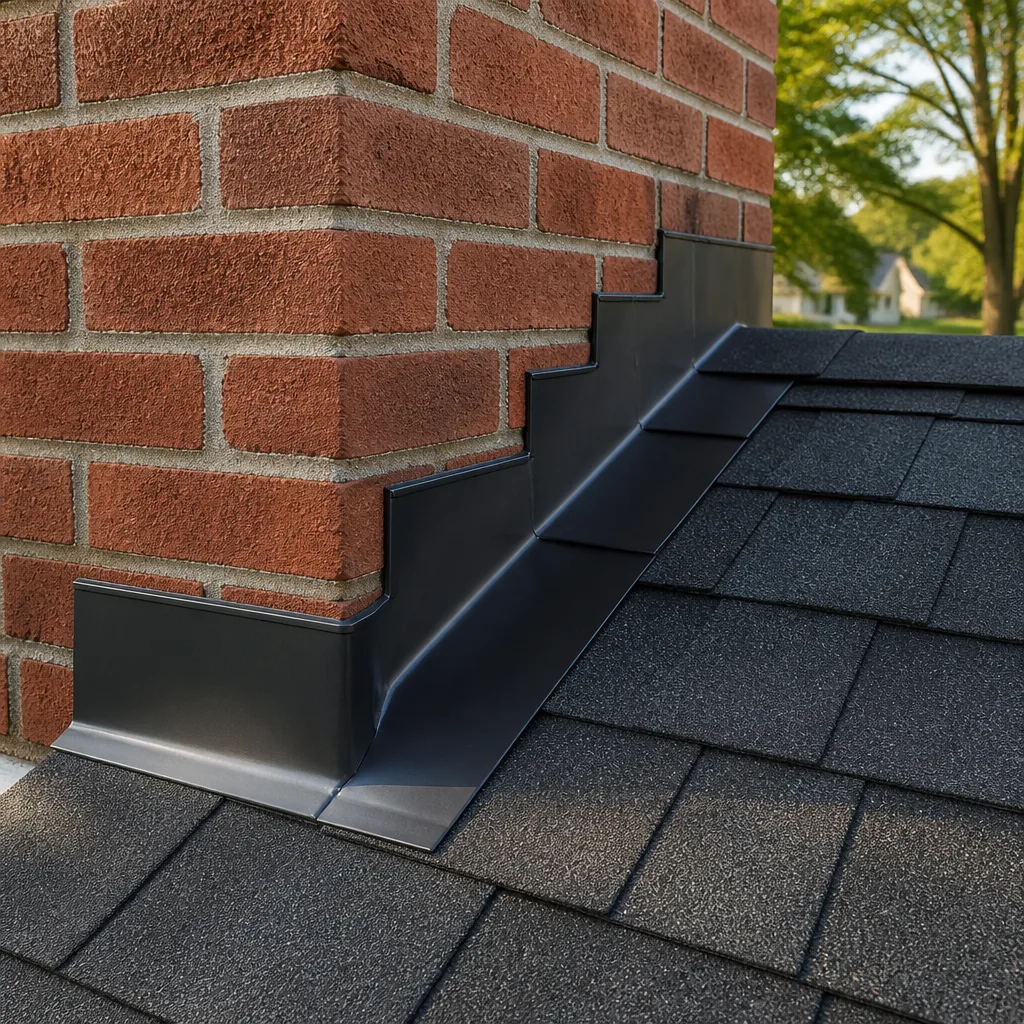
- Flashing details. Which flashing is replaced versus reused. Reusing old flashing is one of the most common causes of leak complaints and should be itemized.
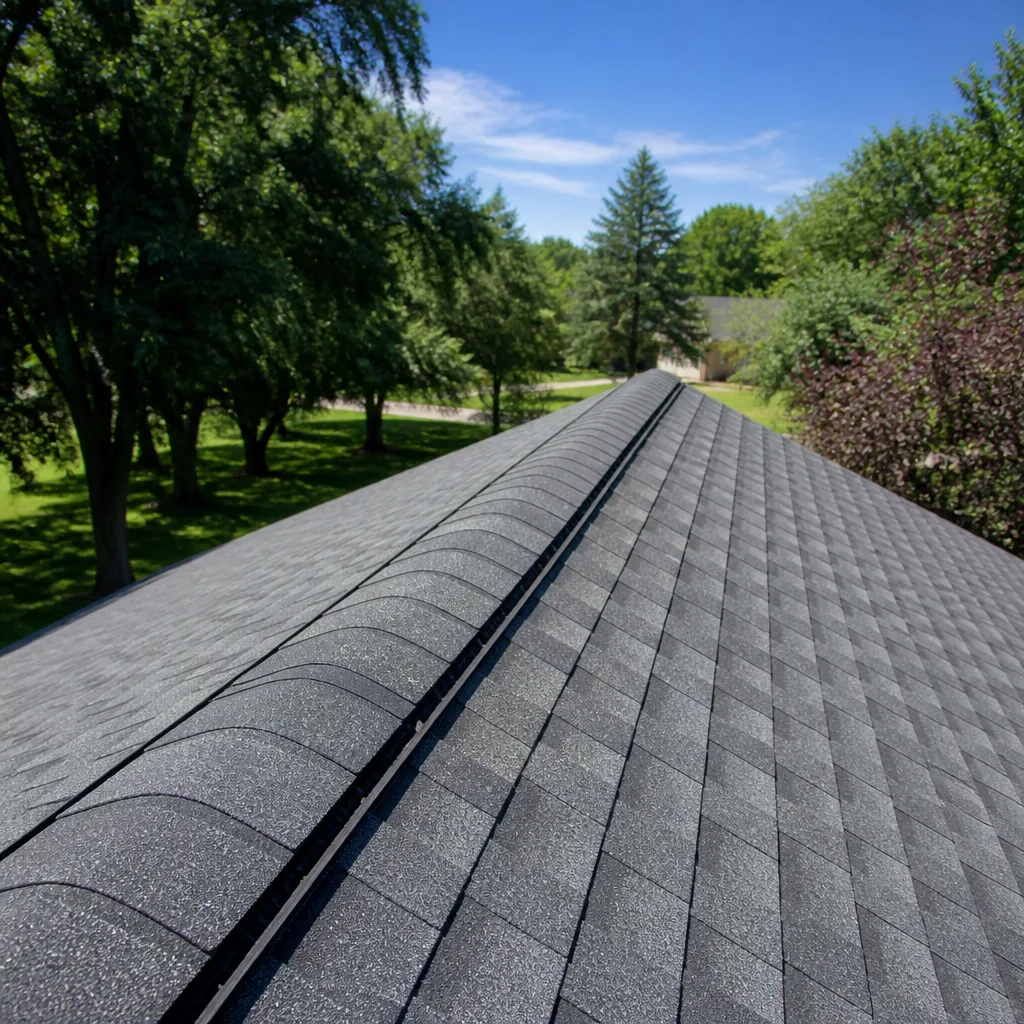
- Ventilation plan. Intake and exhaust calculations, ridge vent versus other exhaust methods, and whether the plan meets manufacturer spec for a warranty.
- Penetrations. Chimneys, skylights, plumbing stacks, satellite mounts – each should be listed with its treatment.
- Permit responsibility. Which party pulls the permit, which party pays for it, and whether the final inspection is included.
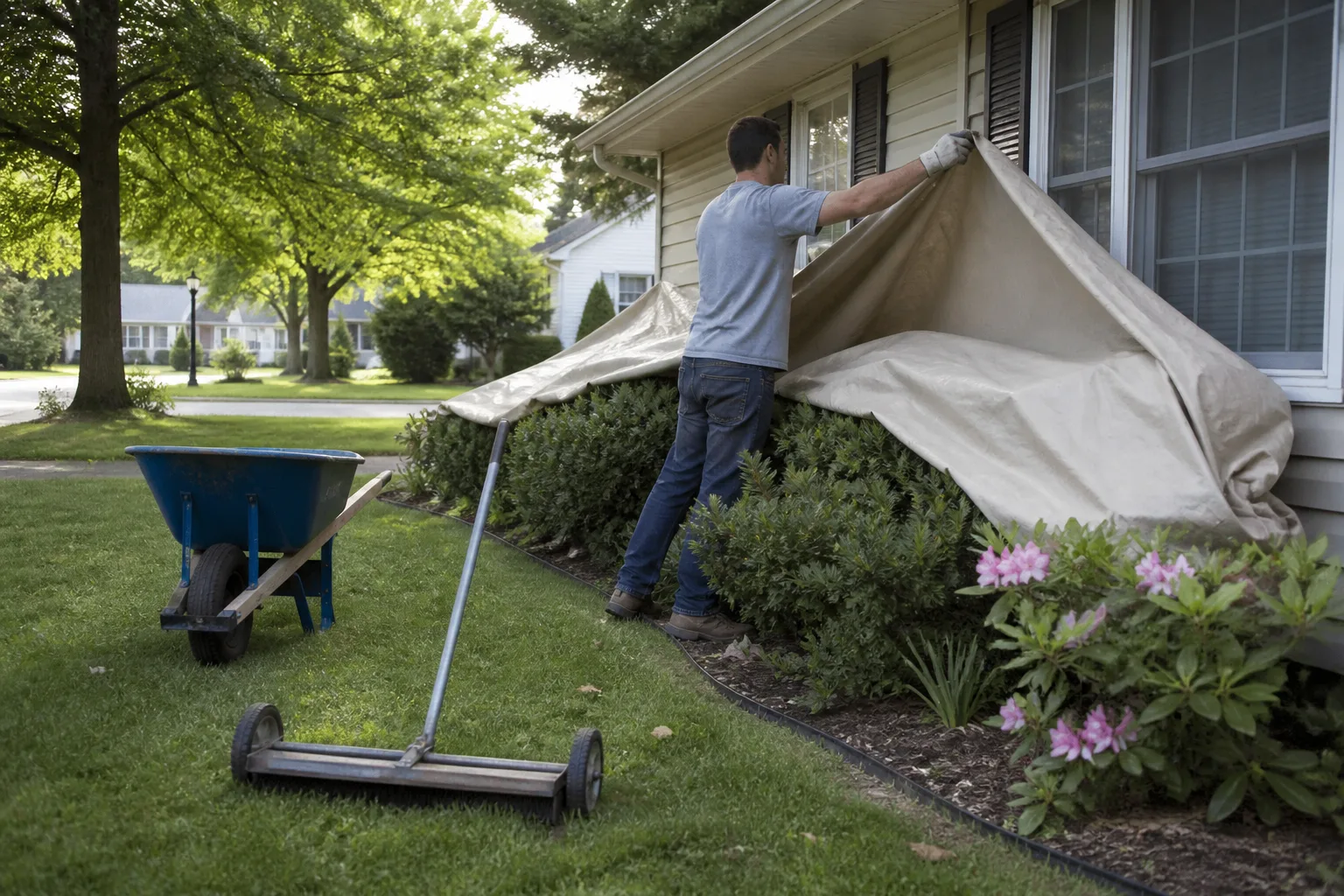
- Disposal and cleanup. Magnetic sweep, dumpster removal, protection of landscaping and gutters.
- Warranty terms in writing. The manufacturer’s product warranty, any workmanship warranty from the contractor, and the durations of each – separately stated.
The written scope is your protection. When a contractor objects to producing one, you have your answer about how the job will go. Compare this against our own roof replacement scope to see the level of detail you should expect.
Red Flags in Roofing Contracts
Some contract clauses indicate bias. Not fraud, exactly – bias. They reveal that the contractor has an incentive to steer you toward a specific product regardless of what’s right for your home. Watch for:
- A single-brand specification with no alternatives. If every proposal they produce names exactly one manufacturer and never presents the tradeoffs against others, they’re not choosing a material for your home. They’re choosing it for their wallet – manufacturers pay more to “loyal” installers.
- Vague “preferred installer” language. If the contract claims preferred status with a manufacturer but offers no credential ID and no warranty upgrade, it’s marketing copy.
- No manufacturer warranty paperwork attached. A real credentialed installer hands you the manufacturer’s warranty document at signing. If they hand you a summary on their own letterhead, ask for the real one.
- “Warranty” as a single number. Contracts that say “20-year warranty” without separating the manufacturer’s product warranty from the contractor’s workmanship warranty are hiding something. Workmanship is the shorter one – that’s the one you need to see.
- Verbal change-order agreements. Any contract that allows scope work to be authorized verbally is a change-order risk.
- Deposit demands above a small materials deposit. Deposits are for materials. If the deposit is a large fraction of the total before any work starts, ask why and get a schedule of payments.
- Permits “not included.” In Kent, most full roof replacements require a permit. A contractor who suggests skipping the permit is either cutting corners or passing the legal risk to you.
One safeguard most homeowners miss: ask the contractor directly whether they offer alternatives from more than one manufacturer. A specialist who genuinely carries multiple lines will list them without hesitation, and it’s a reliable signal they aren’t paid to push one brand.
Questions That Reveal Local Code Knowledge
Generic installation practice and code-compliant installation in Kent are not identical. The questions below separate a contractor who reads the local code from one who has memorized a standard install script. Ask these in the interview:
- “What permit will you pull for my project, and who handles the inspection?” A contractor who can describe the permit process for a Kent roof replacement is current. A contractor who answers “we don’t need one for this” is a liability.
- “How do you handle ice and water shield in this climate?” Kent gets wet winters with occasional freezes. The answer should show understanding of where ice damming can occur and which underlayment details prevent it.
- “How do you calculate ventilation for my attic, and does your plan meet manufacturer spec?” Ventilation failures are the leading cause of premature shingle aging. A roofer who can’t explain intake/exhaust balance is guessing.
- “Which material will you recommend for this home, and what are the tradeoffs against the other two?” A specialist with real breadth should be able to walk you through shingle, tile, and metal differences for your house, not just pitch one.
- “How does local weather affect the flashing details on my roof?” Wind-driven rain and freeze-thaw cycles affect which sealants and which flashing profiles perform. The answer should be concrete.
- “What are the requirements for tear-off in Kent, and how do you handle disposal?” This tests both code knowledge and operational competence.
One question that often trips up generic contractors: “Are you familiar with the difference between Kent’s permitting requirements and those in the surrounding cities?” A roofer who works across the area but specializes in Kent should be able to discuss Washington’s state requirements and Kent’s local permitting separately. A generalist from a nearby city often can’t. That’s not a knock on them; it’s a reason to hire the specialist. If you’re also weighing a new roof installation, the code knowledge matters even more because new construction triggers additional review.
Material Choice: Shingle, Tile, or Metal
Your hiring decision is narrower if you’ve already chosen the material category. If you haven’t, listen closely: the contractor you hire should be able to install all three. If they only do shingle, you’ll be steered toward shingle whether or not it fits.
Here’s how the three primary residential roofing categories differ for a Kent home:
- Asphalt shingle. The dominant residential choice in the area. Broad material options, established installation practices, and multiple manufacturer tiers. Warranties are tiered – the top tier often requires the credentialed installer we talked about earlier. Reasonable across most home styles.
- Tile. Heavier and longer-lived than shingle, with distinctive aesthetic character. Tile installation requires specific skills and correct structural support. Not all contractors are credentialed for tile lines, and manufacturer relationships matter (Boral is a relevant name here). Warranties frequently require certified installation.
- Metal. The fastest-growing category in residential replacement. Standing seam and other profiles carry long service lives and specific installation requirements. Metal has its own manufacturer credentialing systems. Not all shingle roofers install it correctly.
The right question when interviewing a roofer isn’t “what do you install?” It’s “which material is right for my home, and why?” The answer should reference your home’s architecture, your roof’s pitch, your budget, and your long-term ownership plans. If you’re comparing options, our shingle roofing page covers the tradeoffs versus metal and tile.
A roofer who works exclusively in one material category cannot give you this comparison honestly. A roofer who works across all three can walk you through the differences in a way that reflects what’s actually best for your home, not what’s on their truck.
The Step-by-Step Hiring Process
Here’s the full sequence, condensed. Follow it in order and you won’t miss a check.
- Confirm state registration. Look up the contractor’s L&I registration number directly. Verify current, roofing specialty, insurance and workers’ comp active.
- Request the manufacturer credential name and ID. Get specifics. If the answer is vague, treat the credential as unverified.
- Verify the credential on the manufacturer’s official locator. Do it yourself. Don’t accept a screenshot.
- Ask for the manufacturer’s warranty document in writing. Confirm which tier applies to your material and installation.
- Get a written, line-item scope of work. Use the checklist in the scope section above as your standard.
- Ask the local code questions. Confirm permit responsibility, ventilation calculation, ice and water shield details, and material recommendation reasoning.
- Compare at least two proposals on scope, not just price. Scope differences are where the real price gap lives.
- Confirm deposit, payment schedule, and cleanup terms in writing. Nobody settles this verbally.
- Sign only when every item above is answered. If any piece is missing, you have your answer.
At Kent Roofing Co, our process reflects this sequence. We specialize exclusively in roofing – not siding, gutters, or windows – and we install shingle, tile, and metal systems from seven manufacturer lines including CertainTeed, Owens Corning, IKO, and Atlas. That breadth is deliberate: seven lines means your roof choice reflects your home, not the inventory we happen to hold. Our technicians have up to 13 years of experience, and we’ll produce every document in this list before you ask. For a free written estimate, call (253) 270-0797.
Common Mistakes to Avoid
- Choosing on price first. Price comparisons feel productive and rarely catch the real risk. A cheaper quote on a warranty-void install is the more expensive roof over twenty years. Get scope comparisons, then price.
- Accepting “certified” without verification. “Certified installer” is a phrase, not a credential. Verify in the manufacturer’s system, every time.
- Not pulling the permit. Many Kent roof replacements require a permit and inspection. Skip those and you may find the issue discovered during a future home sale, not now.
- Signing without a line-item scope. A vague scope becomes a change-order conversation later. Insist on the itemized document up front.
- Ignoring ventilation. Shingles fail fast on a poorly vented roof. Ask for the calculation, not the assurance.
- Assuming a hire is a hire. A contractor licensed for general construction is not the same as a roofing specialist. Roofing is a specific trade with specific code details, and specialists do it better.
- Not asking about material alternatives. If a roofer only offers one material category, ask why. If they can’t or won’t discuss the others, you’ve learned something.
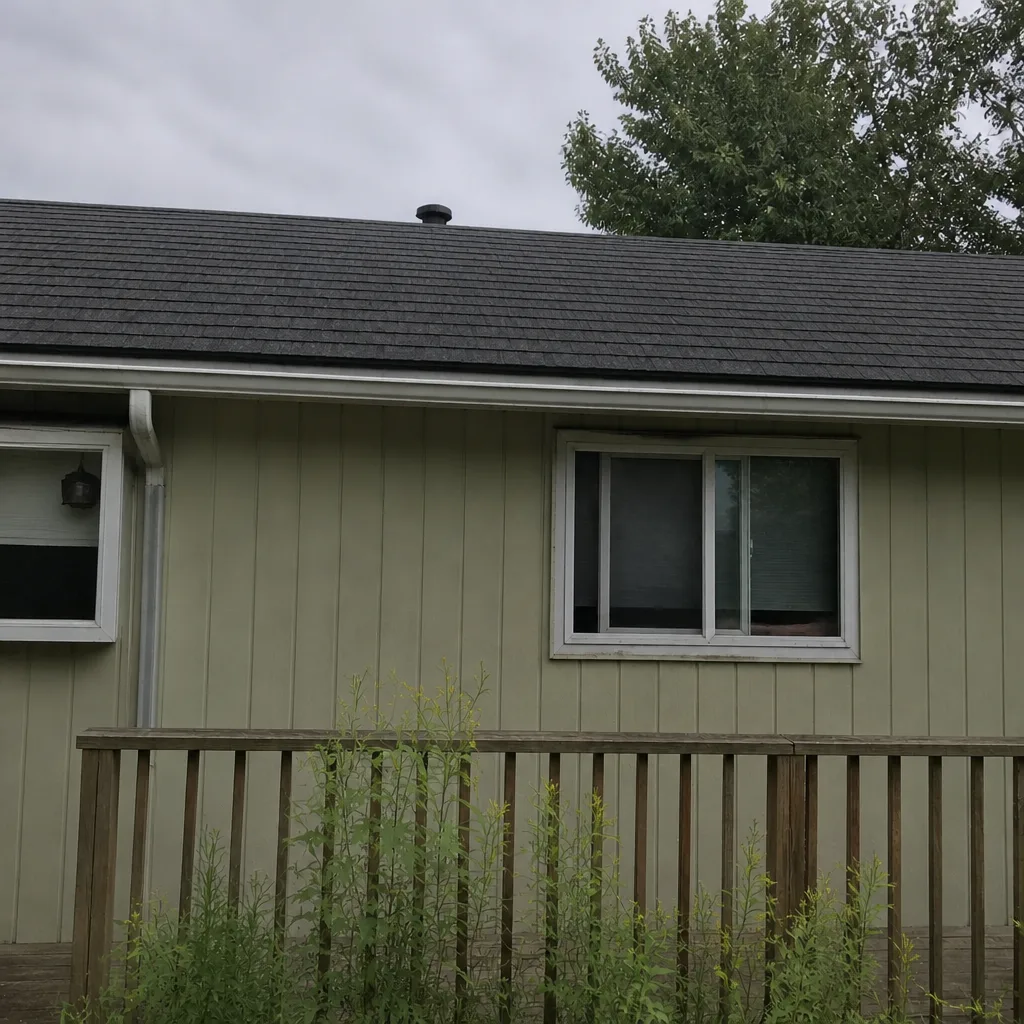
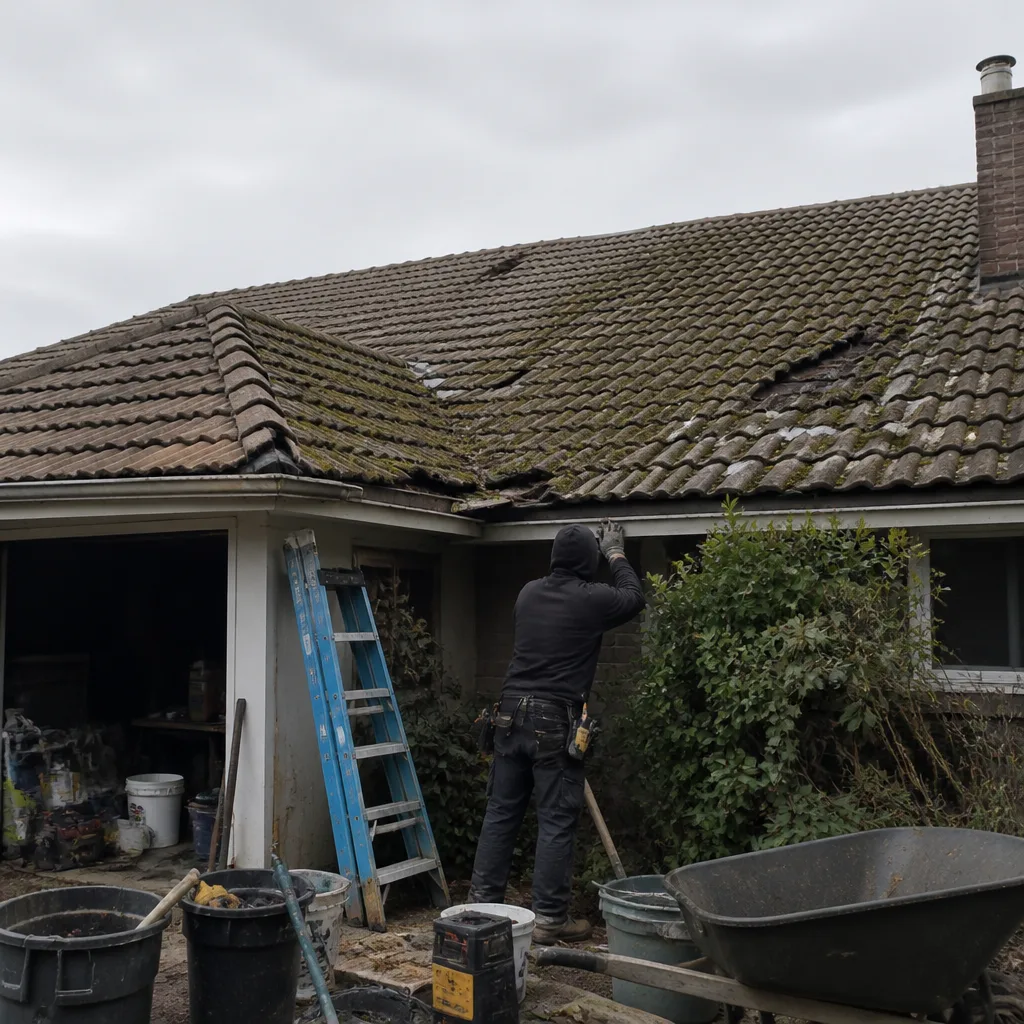
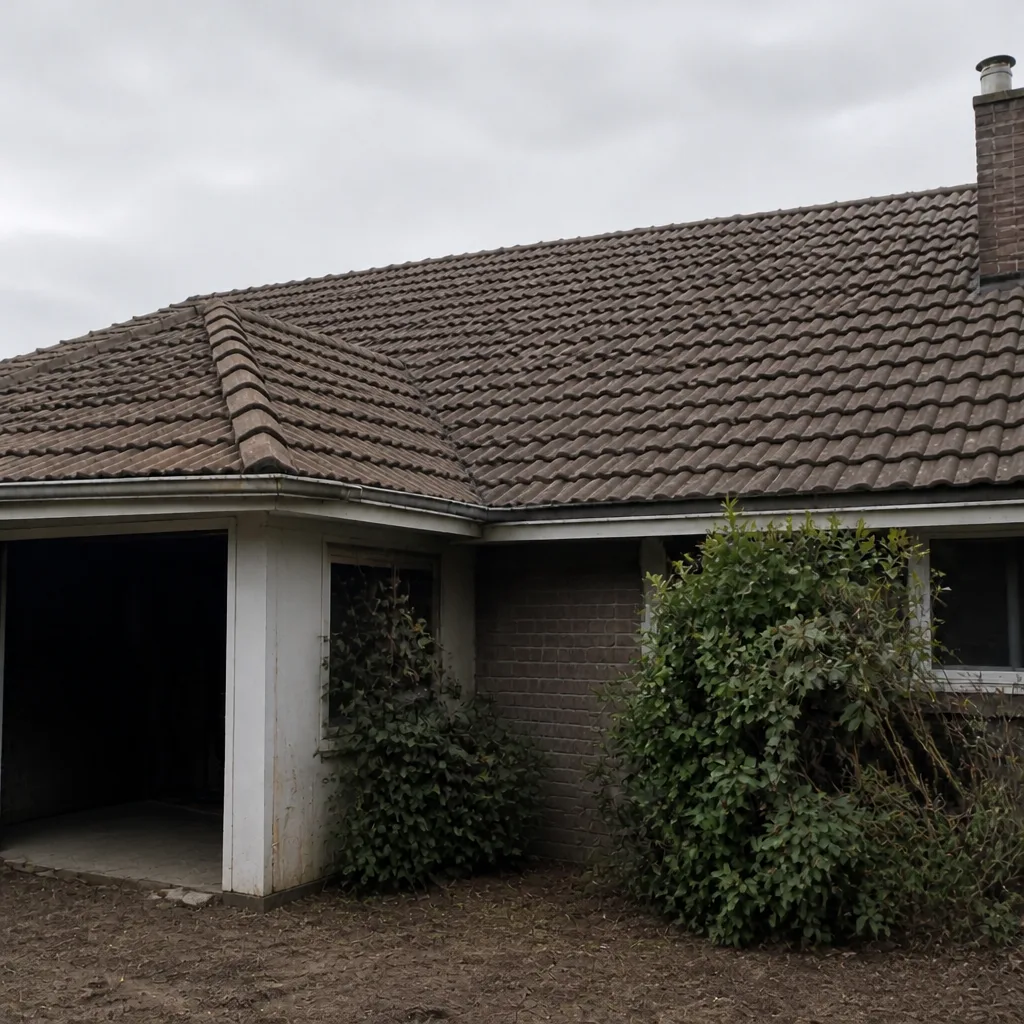
See the difference
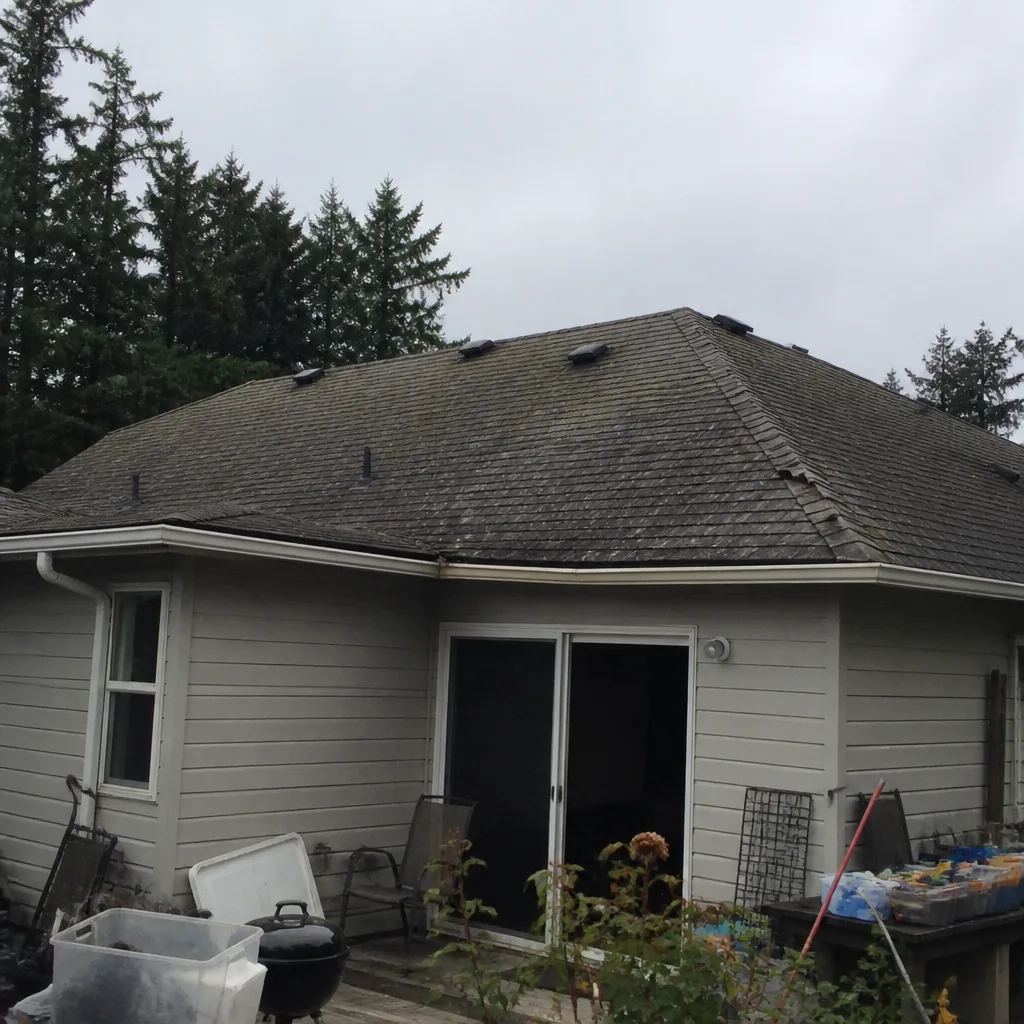 Before
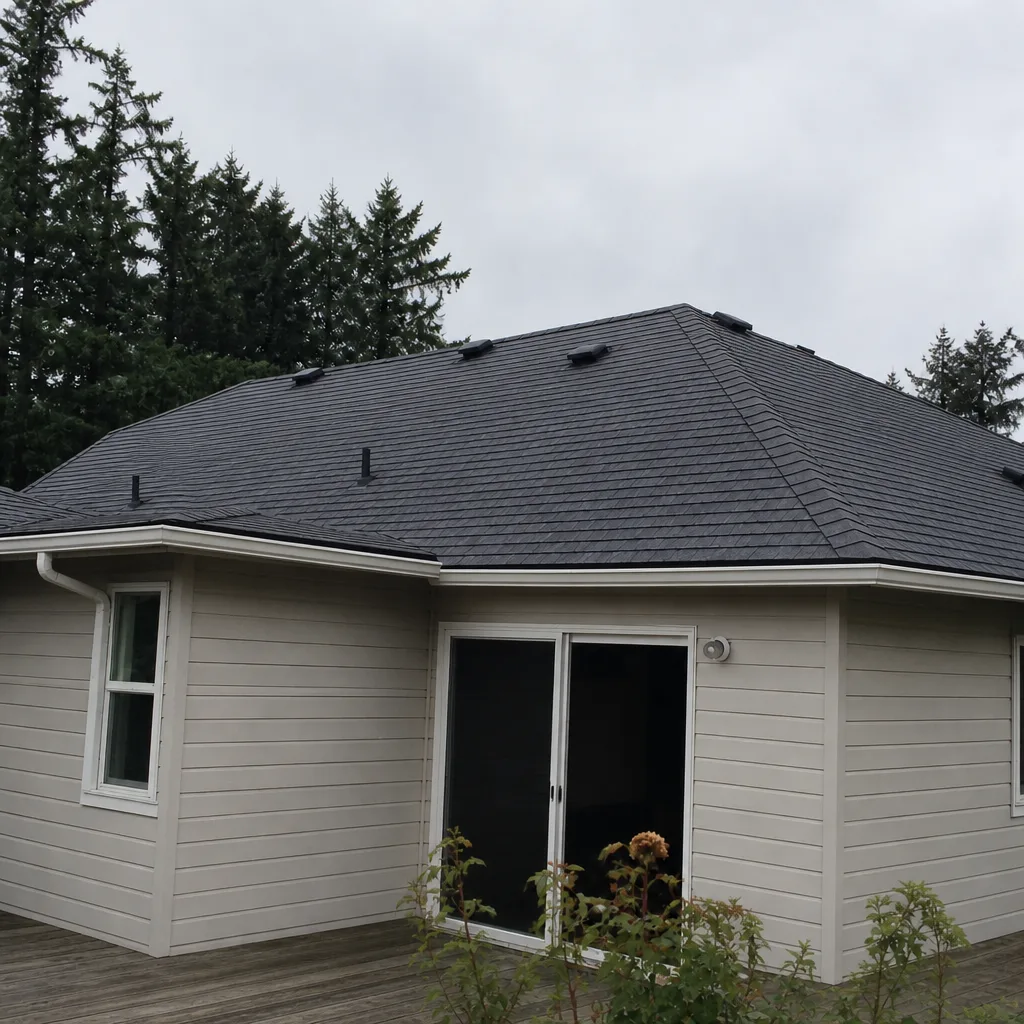 After
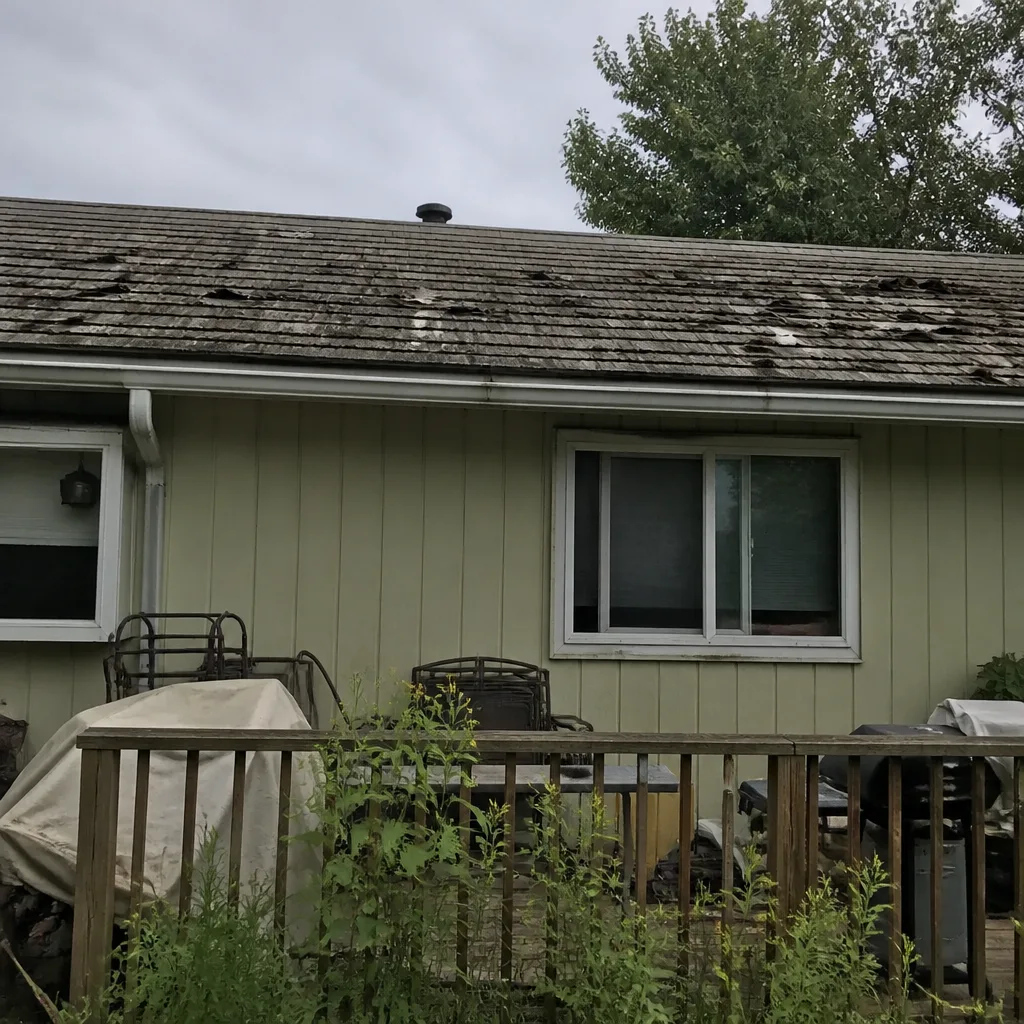 Before
 After
 Before
 After
When to Call a Professional
Some roof issues need an immediate call. Others can wait for a scheduled inspection. Here’s the distinction:
Call a professional now if you see active water inside the home during or after rain, if a roofer has identified soft decking or structural concern under the shingles, or if the roof is at or near the end of its service life and replacement is likely. If a contractor’s proposal contains any of the red-flag contract language above, that’s also a reason to consult another roofer before signing. For a Kent home, roof replacement is a 20 to 50 year decision, and it’s worth doing the qualification process carefully once rather than re-doing the work in ten years.
Kent Roofing Co offers free estimates in Kent. Call (253) 270-0797. We answer 24/7. Fast dispatch from 7am to 7pm, Sunday through Friday. Every estimate is written, line-item, and free.
Frequently Asked Questions
A licensed contractor can legally install a roof in Kent, but only a manufacturer-credentialed installer can offer you that manufacturer’s highest warranty tier on qualifying installs. If you want the enhanced warranty, the credential is required. A licensed contractor without the credential can still do good work, but you’ll be limited to the manufacturer’s base warranty. Verify the credential with the manufacturer directly, then call (253) 270-0797 for a free estimate with the paperwork included.
Use the contractor’s registration number and look it up directly on the Washington State Department of Labor & Industries site. Confirm three things: the registration is current, it covers the roofing specialty, and the liability insurance and workers’ comp are both active. Never accept a screenshot or a photo. Use the live record every time. For a roofer we connect you with, we’ll happily provide the information you need to run that check.
A roofing contract should include a line-item scope of work covering tear-off depth, decking repair terms, underlayment specification, ice and water shield coverage, flashing details, ventilation plan, penetration list, permit responsibility, disposal, and separate warranty durations for manufacturer product and contractor workmanship. Anything less is incomplete. Call (253) 270-0797 if you’d like to see what a proper scope looks like.
Not necessarily more or less – but it limits your options. A single-brand roofer has an incentive to steer every job toward their one product, even when a different material would suit your home better. A multi-line roofer can present real tradeoffs. The right roof for your home is the one that fits the home, not the one already loaded on the truck. Call (253) 270-0797 to compare materials side by side.
Most full roof replacements in Kent require a permit from the city, though specific projects vary. Confirm with the city’s permitting office for your address, and ask your roofer directly who is pulling the permit. A contractor who suggests skipping the permit is cutting corners. Call (253) 270-0797 and we’ll walk through the permit process for your specific project.
Most single-family Kent homes take two to five working days for a standard shingle replacement, longer for tile or metal depending on the profile, the roof’s complexity, and the weather. The written estimate should state the expected schedule. If a contractor won’t commit to a schedule, that’s a signal. Call (253) 270-0797 for a free estimate with a written timeline.
The Bottom Line
Hiring a roofer in Kent is a qualification process, not a comparison shop. Verify state registration, verify manufacturer credentials directly with the manufacturer, and insist on a line-item scope of work before you sign. Price belongs downstream of these checks. Choose a specialist who installs all three primary material categories – shingle, tile, metal – and who carries multiple manufacturer lines so your home’s roof reflects your home, not a single brand’s loyalty program. The result is a roof with a real warranty, a real scope, and a real installation behind it. Kent Roofing Co offers free written estimates in Kent. Call (253) 270-0797. We answer 24/7. Fast dispatch from 7am to 7pm, Sunday through Friday.
Written by the team at Kent Roofing Co.