Last updated November 25, 2026

Free roof inspection with deck photos before we talk money - GAF and Owens Corning certified installation
Seasonal Roofing Care for Kent: Year-Round Homeowner’s Guide
Most Kent homeowners call a roofer in spring, right after a winter of storms has already done its damage. That’s backwards. The single most valuable roofing maintenance window in Kent isn’t spring at all: it’s late August through September, when moss is bone-dry enough to actually kill, fir needles and leaves haven’t yet loaded your valleys, and the long wet season is still weeks away. Get that window right and you spend the winter maintaining a healthy roof instead of paying to repair a neglected one. This guide walks through all four seasons in Kent, material by material, and explains what to check, when to act, and when a call to a professional is the smarter move.
Quick Answer
The best seasonal roof care for Kent comes down to two anchor points: a deep clean and moss treatment in late summer, before the rain returns, and a debris and drainage check in late fall, after the leaves and fir needles have dropped but before the heaviest rain. Spring is for inspecting what winter revealed, and winter is mostly about knowing when snow load actually matters. Everything else follows from those four checkpoints.
Styles & brands we work with
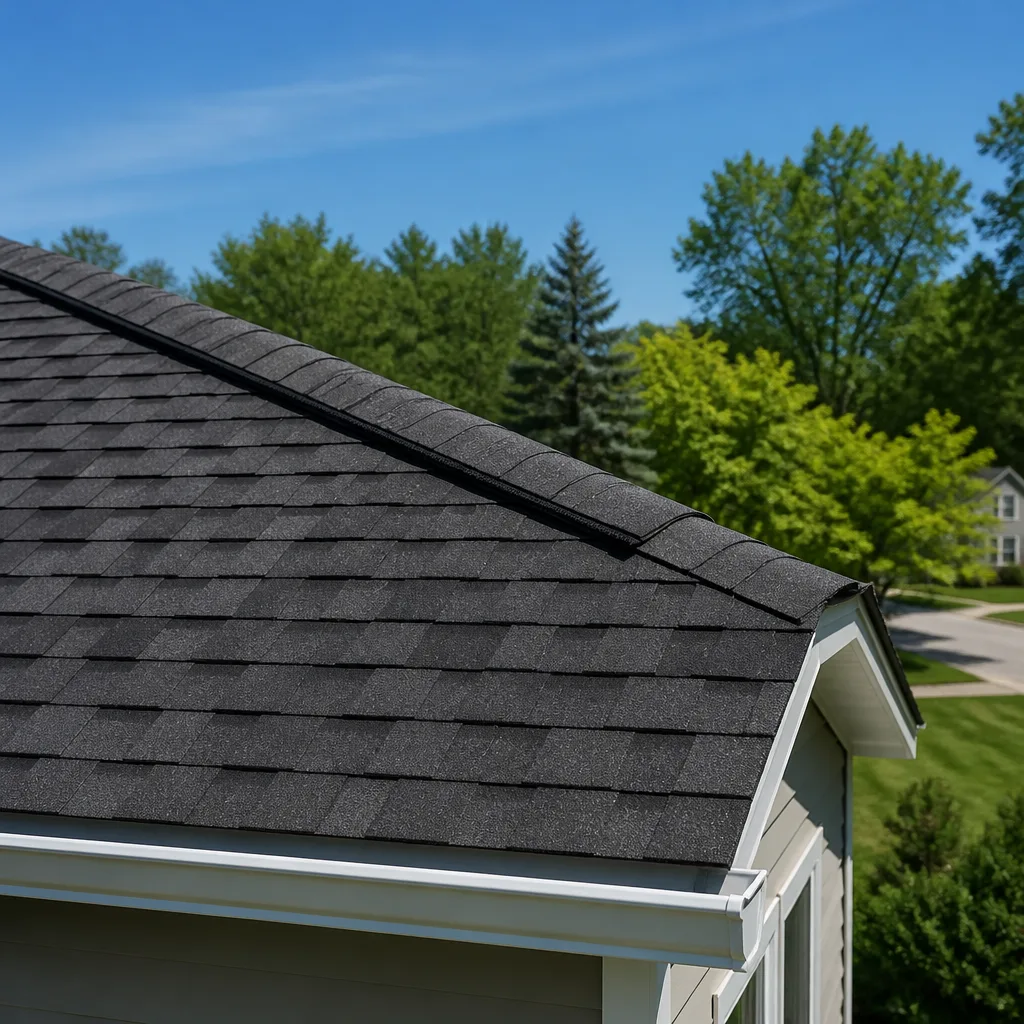
- Architectural shingles
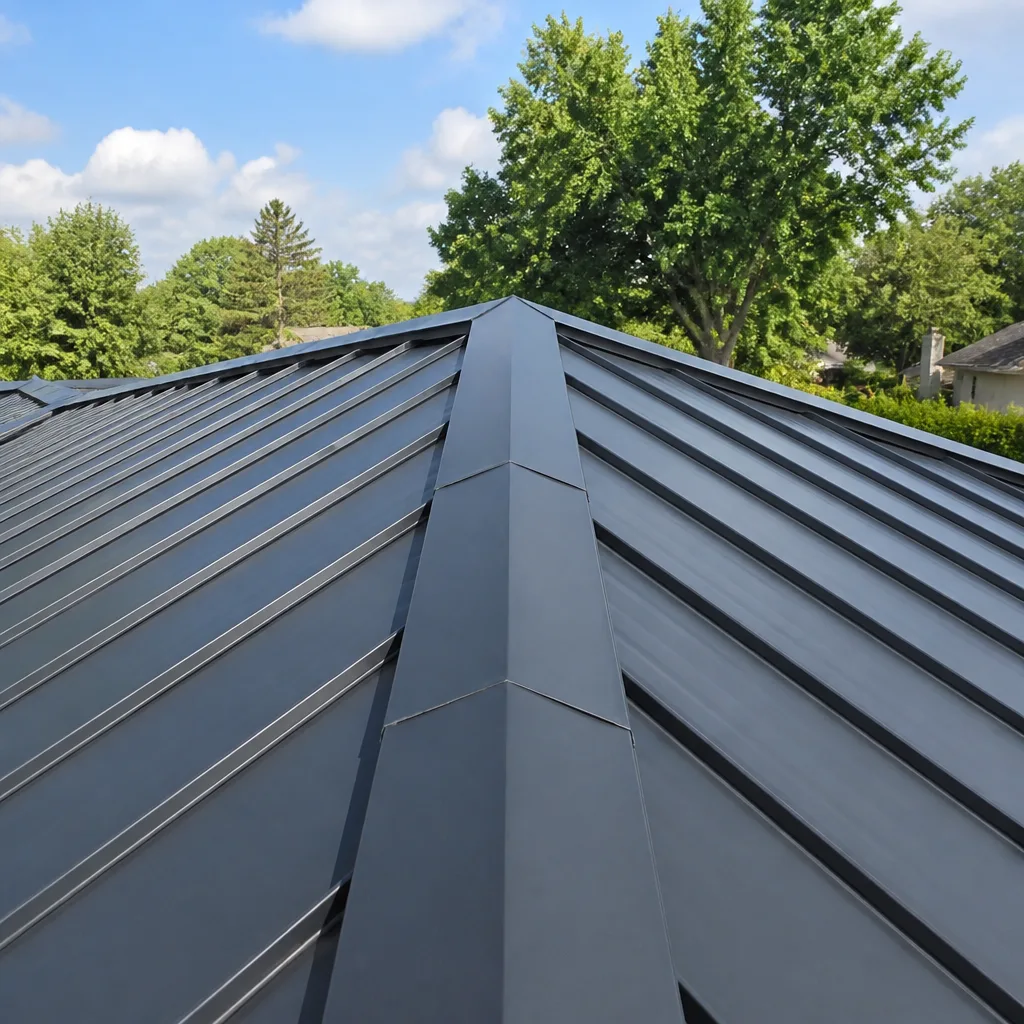
- Metal roofing
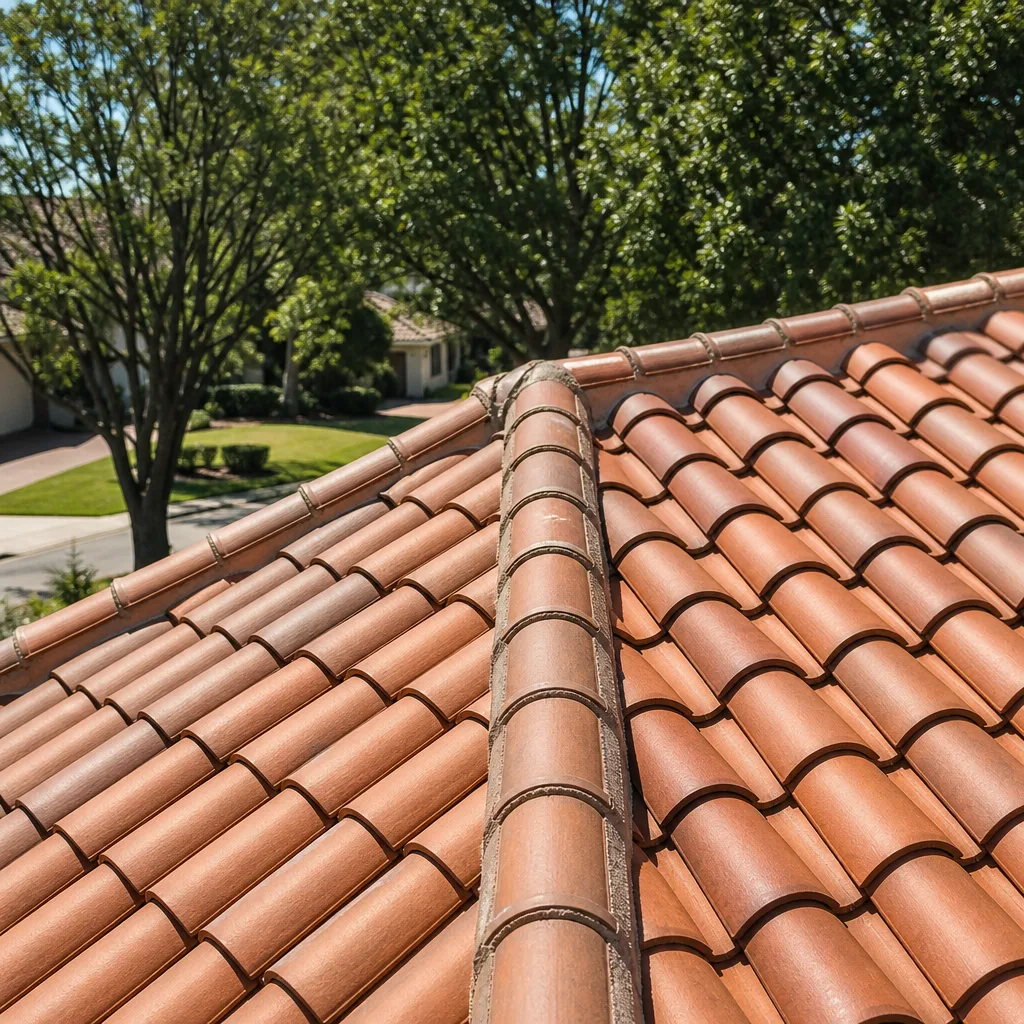
- Tile roofing
- GAF
- Owens Corning
- Flat & low-slope
Table of Contents
- Why Late Summer Is Kent’s Most Valuable Roofing Window
- The Kent Roofing Season Calendar at a Glance
- Freeze-Thaw Cycles and Kent’s Elevation: How Materials Respond
- Fall Debris Management: Valley and Gutter Protocols
- Winter Load Assessment: When Snow Matters and When It Doesn’t
- Spring Inspection Focus Areas for a Marine Climate
- Material-by-Material Seasonal Care: Shingle, Tile, and Metal
- When Seasonal Care Turns Into a Replacement Conversation
Why Late Summer Is Kent’s Most Valuable Roofing Window
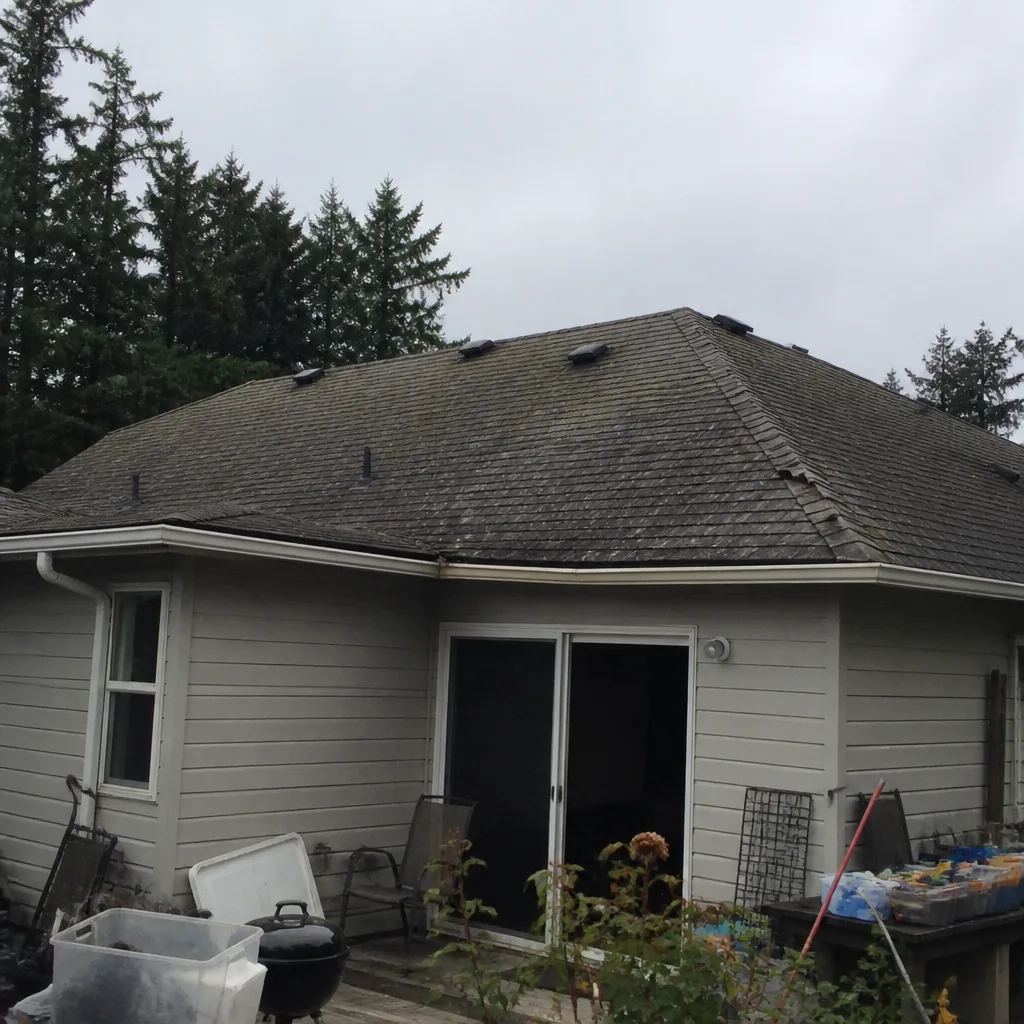
Late August through September is when a roof in Kent can be worked on most effectively, and most homeowners skip it. The reason is moss. In Western Washington, moss doesn’t just sit on a roof looking untidy. It holds moisture against the substrate, lifts shingle edges as it spreads, and keeps the decking damp long after the rain stops. Moss is also remarkably hard to kill when it’s wet. Treatment applied in March to a saturated roof is often wasted effort, because the growth is dormant and the product can’t penetrate the way it does when conditions are right.
By late August, after a dry stretch, moss is desiccated and stressed. That’s when cleaning and treatment actually do what they’re supposed to do, and it’s when the material underneath can be inspected in its truest condition. You’re not looking at a roof through a layer of moss and standing water; you’re seeing the shingle, tile, or metal surface as it really is.
There’s a second reason this window matters. Fall debris hasn’t arrived yet. Kent’s tree canopy, especially the firs, drops needles and branches through October and November, and those materials collect in valleys and behind penetrations. If you clean in late summer, you start the wet season with clear drainage. If you wait until November, you’re clearing a roof that’s already been sitting under load for weeks.
Three tasks define the late-summer window:
- Remove moss and debris from all field areas, valleys, and behind chimneys and skylights.
- Treat the cleaned surface to slow regrowth through the wet months.
- Inspect the now-visible surface for lifted shingles, cracked tiles, loose fasteners, and failing sealant at penetrations.
If you do nothing else for your roof in a given year, do this. It’s the single highest-return maintenance action available to a Kent homeowner, and it works whether you’re on a shingle roofing system or something else entirely.
The Kent Roofing Season Calendar at a Glance
Here’s the year in four checkpoints, in the order that matters most for a Kent roof:
- Late August to September: Deep clean, moss treatment, full surface inspection. The most important window of the year.
- Late October to early November: Debris and drainage check after leaf and needle drop. Clear valleys, confirm water is leaving the roof.
- December through February: Watch and assess. Address snow load only when it’s genuinely significant. Note any interior staining or ceiling discoloration.
- March through May: Post-winter inspection. Look for what the wet season revealed: lifted edges, granule loss, sealant failure, flashing gaps.
Notice that two of the four checkpoints cluster in late summer and fall, not spring. That inversion is the whole point of this guide. The conventional advice tells you to inspect in spring because that’s when damage becomes visible. A better approach is to prevent the damage in the first place by getting the roof into the wet season clean and sound.
For homeowners in Kent who are planning a roof replacement rather than maintenance, this calendar also matters, because install timing affects how the new system performs through its first winter. More on that below.
Freeze-Thaw Cycles and Kent’s Elevation: How Materials Respond
Kent sits in a spot where the freeze-thaw story is different from what you’d get in coastal Seattle. The difference isn’t dramatic, but it’s enough to change how roofing materials age, and it’s the kind of thing most national roofing advice never addresses.
On the coast, temperatures stay moderated by the water. Inland and slightly elevated, Kent sees more frequent dips below freezing overnight, followed by daytime thaw. That cycle is the real threat. Water works into a small gap, freezes, expands, and pries the gap wider. Then it thaws, refreezes, and repeats. Over a winter, a hairline crack in a tile or a small lift at a shingle edge can grow into a real failure point.
How each material responds:
- Asphalt shingle: The most tolerant of freeze-thaw. The mat is flexible, and modern shingles from manufacturers like GAF and CertainTeed are built for cold cycles. The weak points are edges, where nails can back out slightly over repeated expansion, and sealant strips, which can lose adhesion in a cold snap.
- Tile: Tile is brittle and unforgiving. Freeze-thaw will find any hairline crack and open it. Boral tile systems are engineered for cold, but the underlayment beneath them is what actually keeps water out, and that’s where freeze-thaw damage accumulates invisibly.
- Metal: Metal expands and contracts dramatically with temperature, which means fasteners and panel seams are the areas that need watching. Standing-seam systems handle this well because the seams aren’t pierced, but exposed fasteners on other profiles can work loose over a season of cycling.
The practical takeaway: in Kent, pay attention to edges, fasteners, and underlayment, not just the visible surface. Those are where freeze-thaw does its quiet work.
Fall Debris Management: Valley and Gutter Protocols
Fall in Kent is a debris problem before it’s a roofing problem. The combination of heavy leaf drop and fir needles creates a material that packs into valleys and behind penetrations and holds water against the roof surface. Fir needles are the worst offender because they’re fine enough to mat together into a near-solid layer.
What to check, and in what order:
- Valleys first. These are the V-shaped channels where two roof planes meet. They concentrate water flow, so any debris here backs water up under shingles or tile. Clear them completely, not just the visible surface.
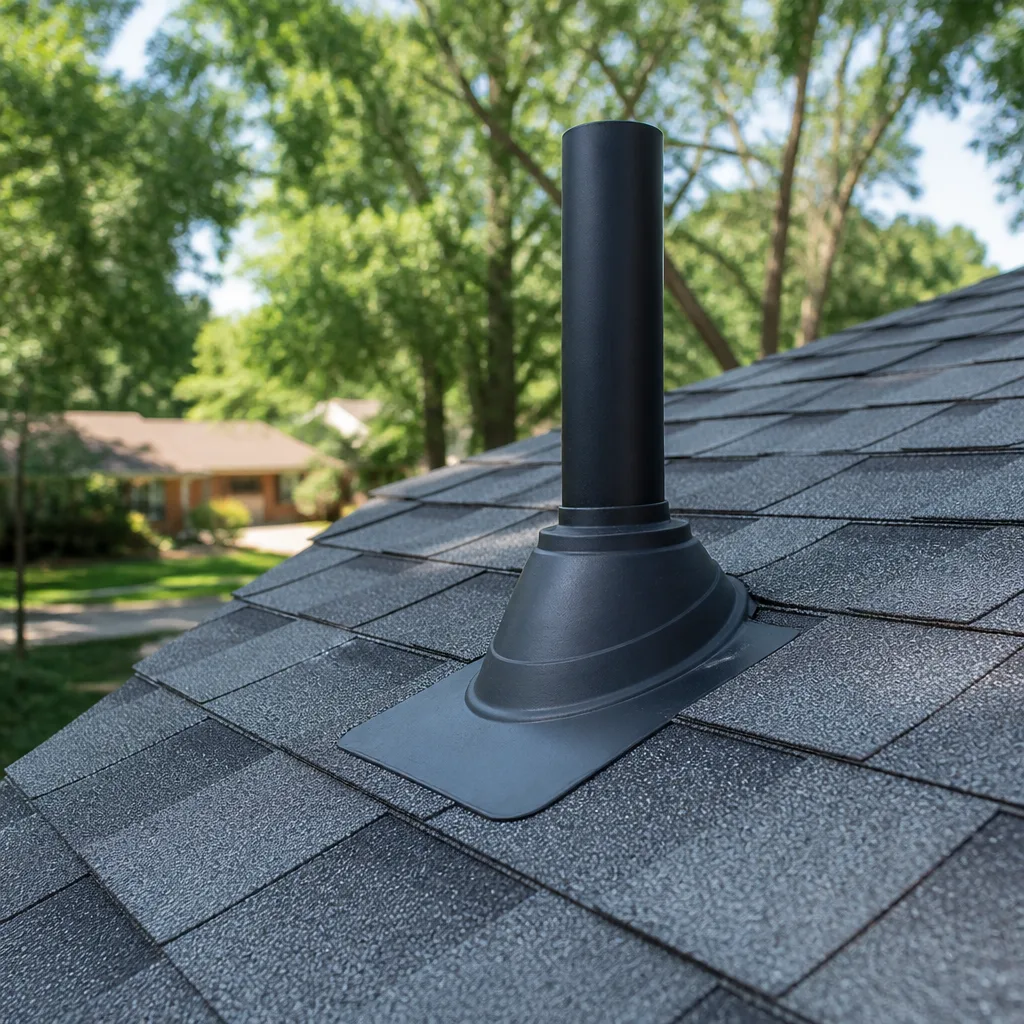
- Behind penetrations. Chimneys, skylights, and vent pipes create a pocket where debris collects. Check each one.
- Gutter lines and downspouts. A roof drains as well as its exit path allows. If downspouts are clogged, water backs up at the eave and can work under the lowest course of roofing.
- Roof-to-wall intersections. Where a roof meets a vertical wall, debris collects in the corner and holds moisture against the flashing.
The timing matters as much as the task. Clean too early and you’re back out in November. Clean too late and the roof has already been sitting under debris during early storms. Late October to early November is the sweet spot in Kent, after the bulk of leaf and needle drop but before the heaviest rain pattern sets in.
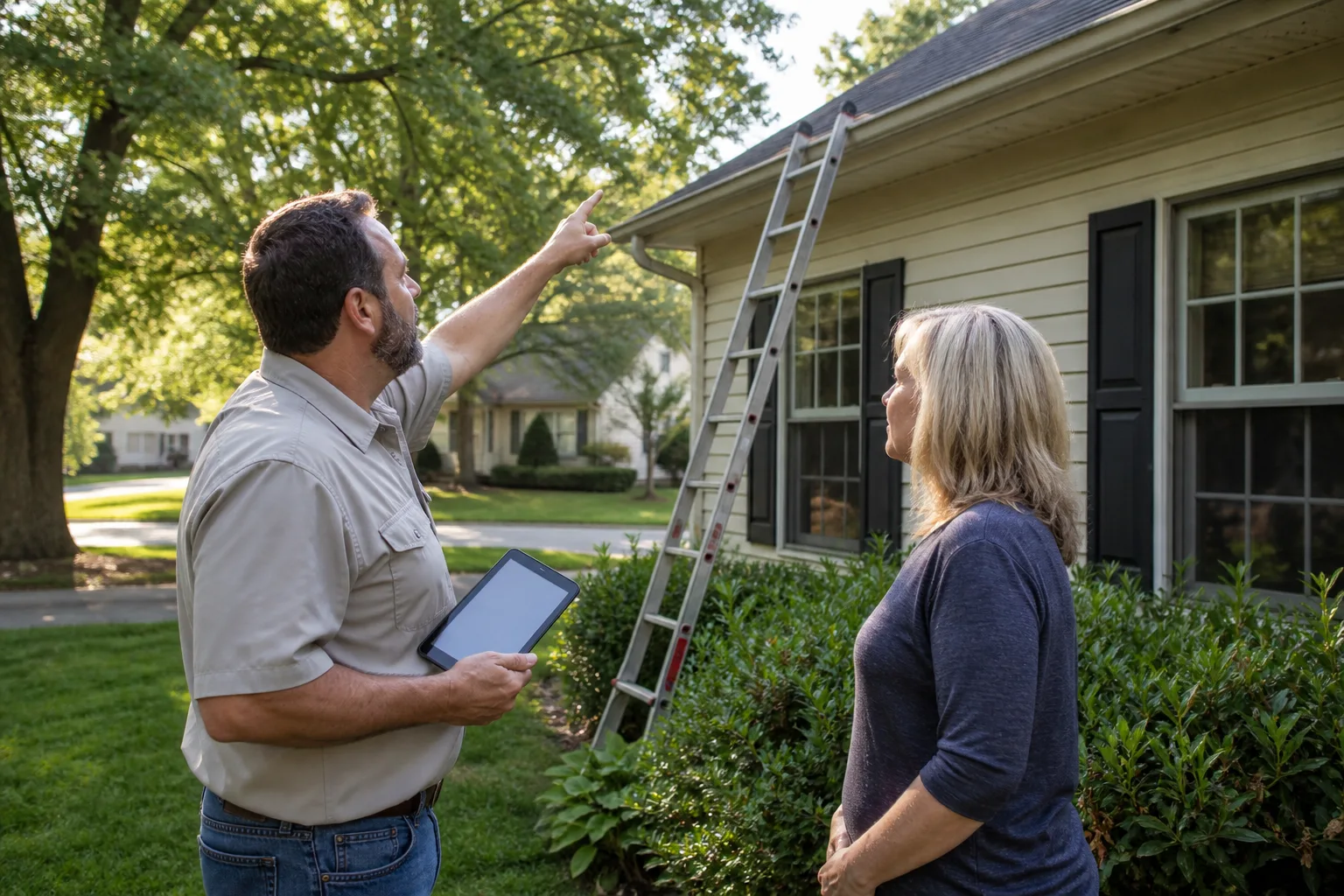
One word of caution on gutters and roof edges: if you’re getting up on the roof yourself to clear valleys, be honest about the risk. Wet shingles are slick, and a fall from roof height is a serious injury. If the pitch is steep or the access is awkward, this is a job for a professional.
Winter Load Assessment: When Snow Matters and When It Doesn’t
Kent doesn’t get buried in snow the way higher elevations do, but it does get occasional significant snowfall, and that’s when homeowners tend to overreact or underreact, usually the wrong one. Here’s the honest framework.
Residential roofs are designed to carry a snow load. A few inches of snow is not a structural concern on a sound roof, and clearing it is often more dangerous than leaving it. The scenarios that actually warrant attention:
- Heavy, wet snow accumulation. Wet snow is far denser than dry powder. A significant accumulation of wet snow is the load case that matters.
- Ice dams. When snow melts at the warmer upper roof and refreezes at the colder eave, it forms a dam that backs water up under the roofing. This is a drainage problem, not just a load problem.
- Existing structural concerns. If you already know of sagging, a compromised deck, or previous water intrusion, any load is a bigger deal.
- Visible sagging or interior signs. If you see a sagging roofline or new interior staining during or after a snow event, that’s a call-now situation.
What’s not structural: a light dusting, a few inches of dry snow, or snow that’s already melting off. Don’t get on the roof in icy conditions to clear snow that isn’t a problem. The injury risk is real and the benefit is mostly psychological.
Winter in Kent is also the season to watch for interior clues, because the roof itself is often inaccessible. Ceiling stains, discoloration at wall-to-ceiling junctions, and musty smells in upper rooms are all worth noting and investigating once conditions allow.
Spring Inspection Focus Areas for a Marine Climate
Spring in Kent gets a lot of attention, and it deserves some: it’s when the wet season’s damage becomes visible. But spring inspection should focus on specific things that a marine climate produces, not a generic national checklist.
What actually matters in our climate:
- Granule loss on shingles. A winter of rain and freeze-thaw accelerates surface wear. Check the gutters for accumulated granules, which is a direct indicator of shingle aging.
- Lifted or curled shingle edges. The freeze-thaw cycling described above shows up here first. Run your eye along the edges, not just the field.
- Failed sealant at penetrations. The flexible sealant around vents, skylights, and chimneys degrades faster in a wet climate and needs periodic renewal.
- Flashing gaps. Metal flashing at valleys, walls, and penetrations is where water gets in. Look for separation, corrosion, or fasteners that have backed out.
- Moss regrowth. If you treated in late summer, spring is when you confirm it worked. Light regrowth is normal; heavy return growth suggests the treatment didn’t take.
- Underlayment condition on tile roofs. On a tile roof, the tile is the visible layer, but the underlayment is the waterproofing. Aging underlayment is a spring inspection item that most homeowners never think to check.
Spring is also the natural time to start a conversation about the roof’s remaining life. If you’re seeing several of the items above at once, it’s worth having a specialist assess whether repair is still the right call or whether a new roof installation makes more sense.
Material-by-Material Seasonal Care: Shingle, Tile, and Metal
Seasonal care isn’t the same across materials, and the right approach depends on what’s on your roof. Here’s how the calendar shifts by system.
Asphalt Shingle
Shingle is the most forgiving material in Kent’s climate and the most common. The seasonal focus is moss prevention and edge inspection. Late-summer treatment matters most here, because moss lifts shingle tabs and traps moisture. In spring, check granule loss and edge curling. Most shingle systems from manufacturers like Atlas and Tamko are built for this climate, and proper seasonal care extends their service life considerably.
Tile
Tile is durable and long-lived, but the underlayment beneath it is the part that needs attention. Seasonal care for a tile roof should include checking that tile pieces haven’t shifted or cracked (which exposes the underlayment) and that the underlayment itself is still intact. Boral tile systems are engineered well, but no underlayment lasts forever, and the wet season is what stresses it. Late summer is the best time to inspect tile because the surface is dry and problems are visible.
Metal
Metal roofs handle Kent’s climate well, but the seasonal focus is on fasteners and seams. Freeze-thaw cycling works on every fastener, and a loose fastener is a future leak. Late-summer inspection should include a check of fasteners, seam integrity, and any exposed sealant. Metal also sheds debris more easily than shingle or tile, which is an advantage, but valley areas can still collect needles and leaves. The metal category includes a huge range of profiles and materials, and the care approach varies with each. Choosing the right metal system for a Kent home is a conversation worth having with a specialist rather than a generalist.
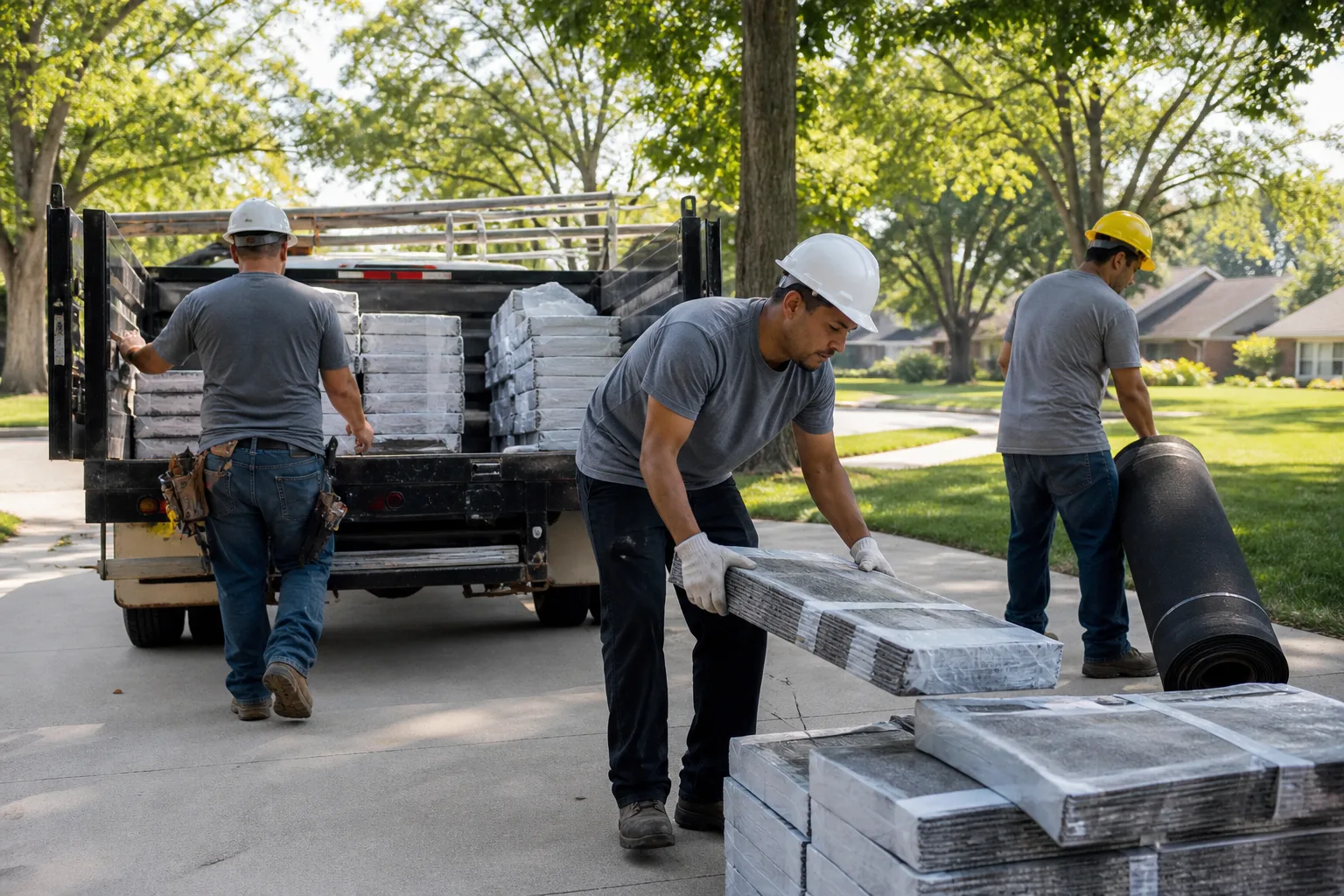
Any roof replacement is a 20 to 50 year decision, and the material choice matters as much as the installation. We work with seven major manufacturers, including GAF, CertainTeed, Owens Corning, IKO, Atlas, Tamko, and Boral, and we install all three primary material categories. That means the recommendation is based on your home, not on whatever product is easiest to source. If you want a deeper look at the tradeoffs, the team at Kent Roofing Co can walk you through them.
When Seasonal Care Turns Into a Replacement Conversation
Maintenance has limits, and at some point a roof needs to be replaced rather than cared for. The signs that it’s time for that conversation:
- Widespread moss return despite treatment, which usually signals failing surface integrity.
- Granule loss so severe that the shingle mat is exposed across large areas.
- Recurring leaks in multiple locations, even after repair.
- Sagging or soft spots in the deck, which points to structural moisture damage.
- An aging roof combined with a planned project (a remodel, a sale, a re-roof) that makes the timing sensible.
- Tile underlayment that has reached the end of its service life while the tile itself is still fine.
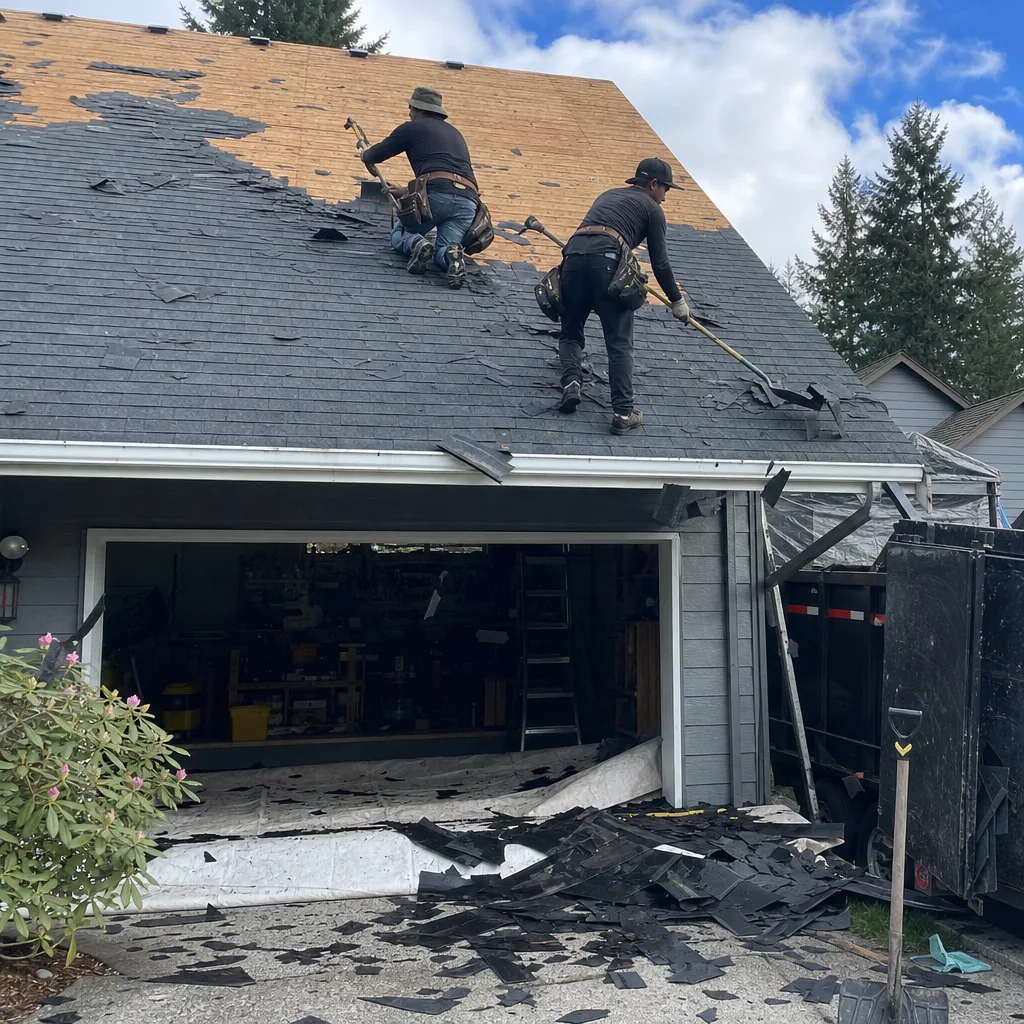
If you’re seeing two or more of these, maintenance is no longer the highest-value action. A replacement is a major decision, and the right way to approach it is with genuine material choices rather than a single-product pitch. This is where a roofing-only specialist matters: three material categories, seven manufacturer lines, and a recommendation built around your home’s architecture, exposure, and budget. You get manufacturer-backed product warranties on qualifying installs, and because we work across multiple brand lines, warranty quality isn’t limited to a single supplier.
Common Mistakes to Avoid
- Treating moss in spring instead of late summer. Wet, dormant moss is hard to kill. Treatment in late August to September, when growth is dry and stressed, is far more effective and is the single biggest seasonal mistake we see Kent homeowners make.
- Skipping the fall debris check. Fir needles and leaves pack into valleys and hold water against the roof all winter. Clearing them in late October to early November prevents a season of backed-up drainage.
- Clearing snow that isn’t a real concern. Getting on an icy roof to remove a few inches of snow is more likely to cause injury than to help the roof. Save the roof work for conditions you can safely manage.
- Ignoring valley and gutter drainage. A roof only drains as well as its exit path allows. Clogged downspouts and packed valleys are among the most common causes of avoidable water intrusion in Kent.
- Assuming tile is maintenance-free. Tile is durable, but the underlayment beneath it is the waterproofing layer and needs periodic inspection. The visible tile can look fine while the underlayment ages out.
- Choosing a roofing material based on a single supplier’s inventory. A roof replacement is a long-term decision. Locking into one brand or one material because it’s in stock is a mistake that can be avoided by working with a roofing-only specialist who carries multiple lines.
- Waiting for visible interior damage before inspecting. By the time water stains show on a ceiling, the roof has usually been leaking for a while. Seasonal inspection catches problems earlier.
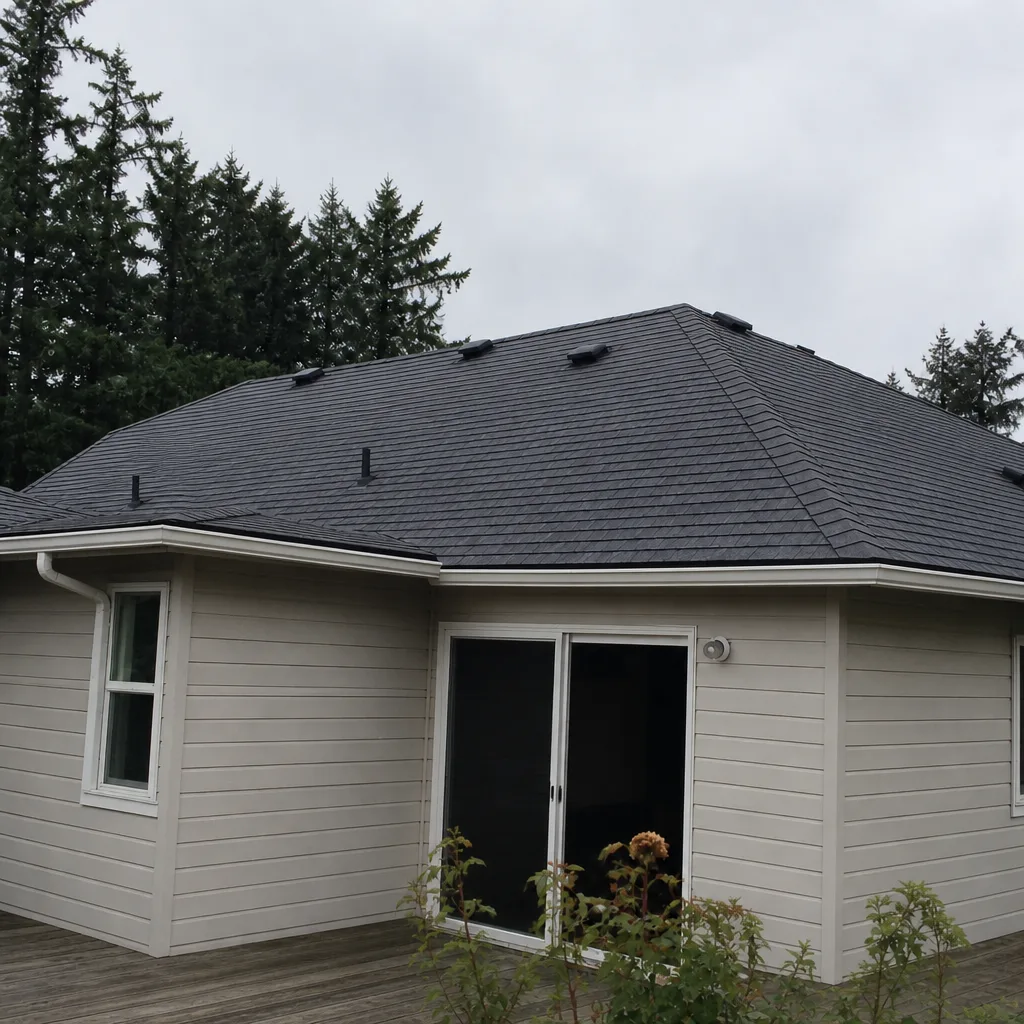
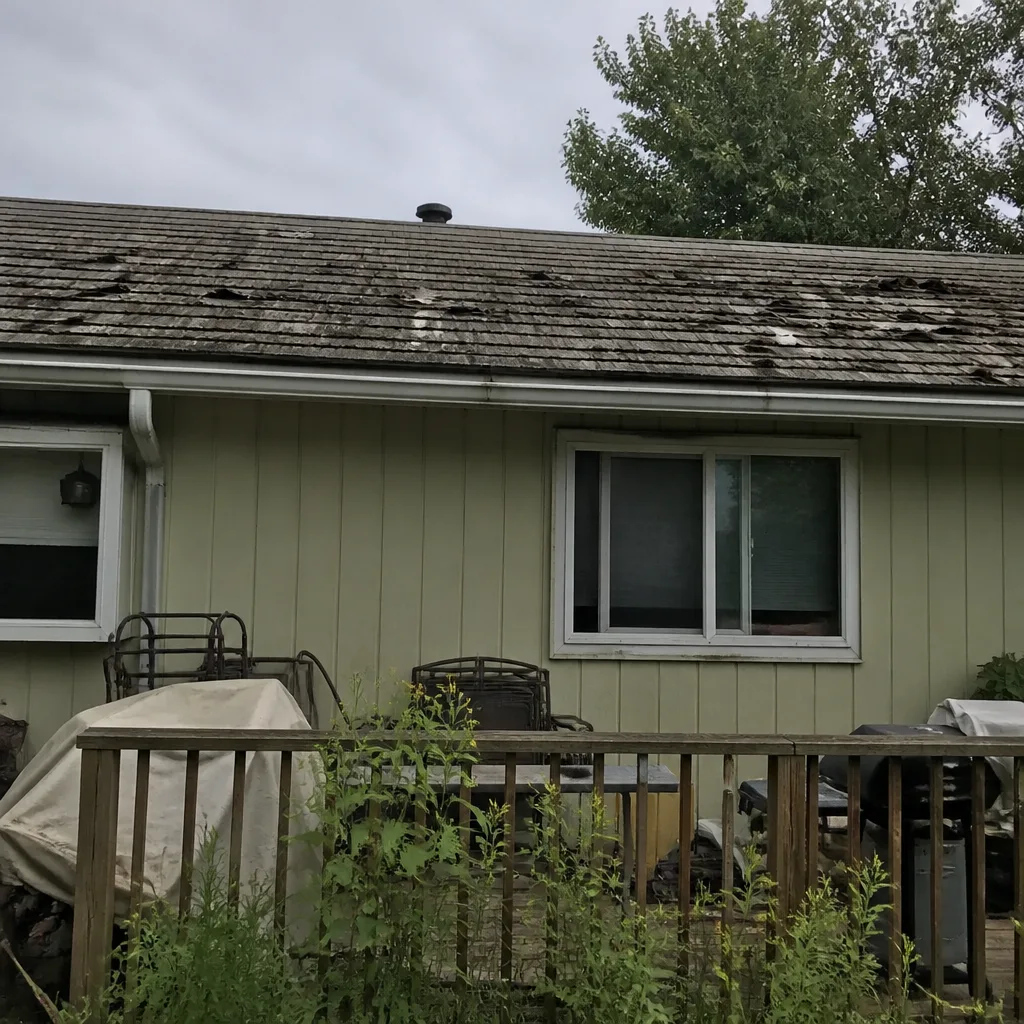
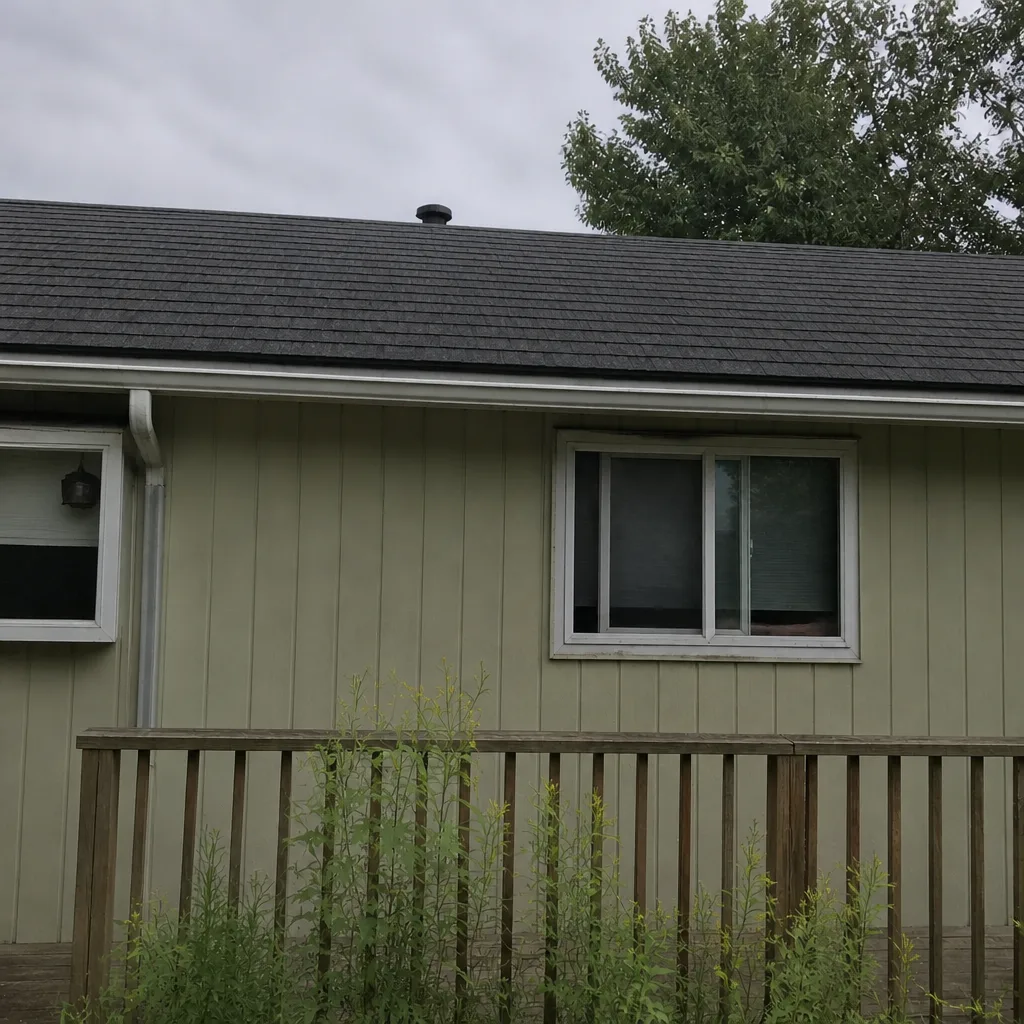
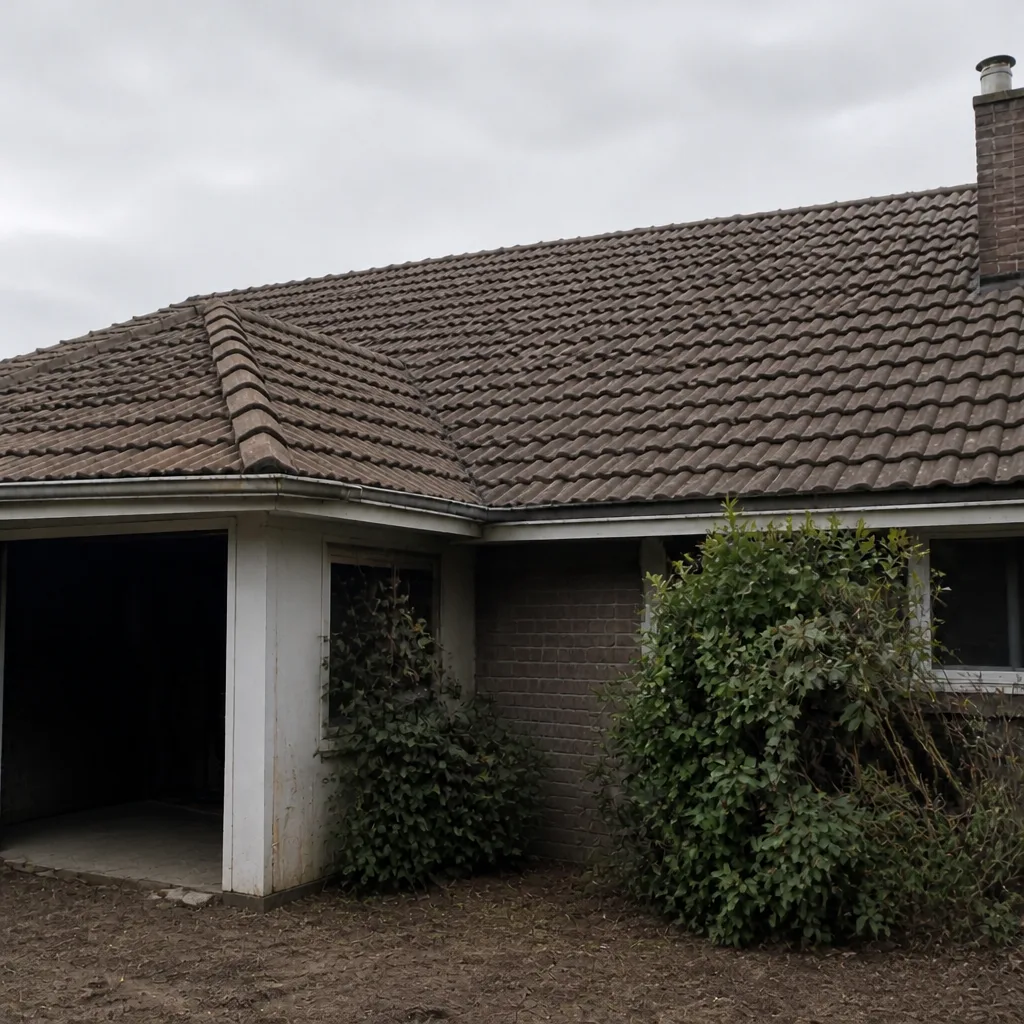
See the difference
 Before
 After
 Before
 After
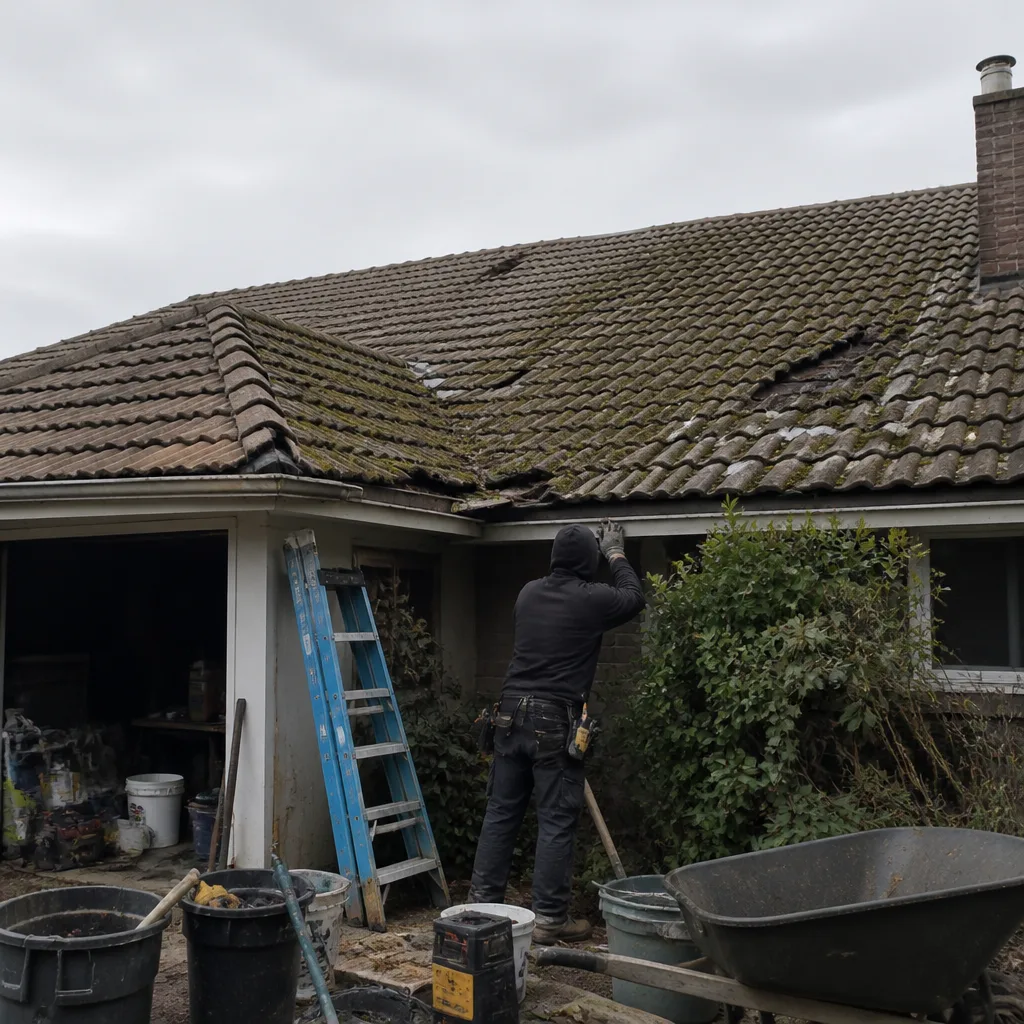 Before
 After
When to Call a Professional
Call a professional when the work involves getting on the roof at height, when you’re seeing signs of structural moisture damage, when moss treatment needs to be done thoroughly and safely, or when you’re facing a decision about whether to repair or replace. Any steep roof, any tile or metal system with suspected underlayment or fastener problems, and any situation where interior staining or sagging is present all warrant a proper assessment. Our technicians have up to 13 years of experience with all three primary material categories, and every estimate is free and set by a written quote, so the price you see is the price you pay. Kent Roofing Co offers free estimates in Kent. Call (253) 270-0797 to schedule yours. We answer 24/7. Fast dispatch from 7am to 7pm, Sunday through Friday.
Frequently Asked Questions
Late August through September is the single best window, because moss is dry and effectively treated and fall debris hasn’t yet loaded the roof. A second check in late October to early November clears leaves and fir needles before the heaviest rain. Spring is for inspecting what winter revealed, and winter is mostly a watching season. Call (253) 270-0797 for a free estimate if you’re not sure where your roof stands.
Maintenance pricing depends on the size and pitch of the roof, the material, and how much moss and debris is present. Every estimate is free and set by a written quote, so the number you receive is the number you pay. Call (253) 270-0797 for an exact quote, and estimates are free.
Moss is most vulnerable when it’s dry and stressed, which is exactly the condition it’s in during late August and September. In spring, after months of rain, the moss is saturated and dormant, and treatment struggles to penetrate. Late summer treatment also lets the roof surface dry out and be inspected in its true condition.
Yes, and more than coastal homeowners realize. Kent sees more frequent overnight freezes than the coast, and the repeated freeze-thaw cycle works into small gaps and widens them over a season. Shingle edges, tile cracks, metal fasteners, and seams are the areas that need the closest attention. Call (253) 270-0797 if you suspect freeze-thaw damage.
Usually not. A few inches of snow is not a structural concern on a sound roof, and clearing it in icy conditions is more dangerous than leaving it. What does matter is heavy wet snow, ice dams at the eaves, and any existing structural weakness. If you see sagging or new interior staining, call (253) 270-0797 for an assessment.
Consistent seasonal care extends the service life of any roof, but it can’t reverse wear that’s already advanced. When granule loss, widespread moss return, and recurring leaks show up together, it’s time to talk about replacement rather than repair. Call (253) 270-0797 and we’ll give you a straight answer on where your roof stands, whether that’s maintenance, repair, or replacement.
The Bottom Line
Seasonal roofing care in Kent comes down to two anchor points and two supporting checks. Get the roof clean and moss-treated in late summer, before the wet season. Clear debris and confirm drainage in late fall, after the leaves and needles drop. Use spring to inspect what winter exposed, and winter to assess snow load only when it’s genuinely significant. Material matters throughout: shingle, tile, and metal each respond differently to Kent’s freeze-thaw cycling. And when maintenance stops being the right call, choose a specialist who can show you real options across brands and materials rather than steering you to one product. That’s the approach we bring to every home, and we’re glad to walk you through it.
Call (253) 270-0797 for a free estimate. We answer 24/7. Fast dispatch from 7am to 7pm, Sunday through Friday.
Written by the team at Kent Roofing Co.